Ram temple donation theft: Shankaracharya demands Sanatan Board, impartial probe
Synopsis
The Shankaracharya of Dwarka Shardapeeth has escalated the Ayodhya donation-theft row into a structural debate — calling not just for an impartial probe but for a permanent Sanatan Board to wrest Hindu temple governance away from government control. His demand for a white paper from the Ram Janmabhoomi Trust puts institutional accountability squarely in the spotlight.
Key Takeaways
Shankaracharya Swami Sadanand Saraswati of Shree Dwarka Shardapeeth condemned the alleged donation theft at the Ram temple, Ayodhya on 4 July .
He demanded a thorough, impartial probe, warning against scapegoating lower-level employees.
The seer called for an independent Sanatan Board and a religious council of Shankaracharyas from the four peeths to manage Hindu temples.
He urged the Ram Janmabhoomi Trust to release a detailed white paper on all donations and expenditures.
Five transparency principles proposed: digital records, annual audits, public disclosure, joint religious-financial oversight, and itemised expense explanations.
He cautioned against commercialising darshan and described government control over temples as discriminatory compared to other faiths.
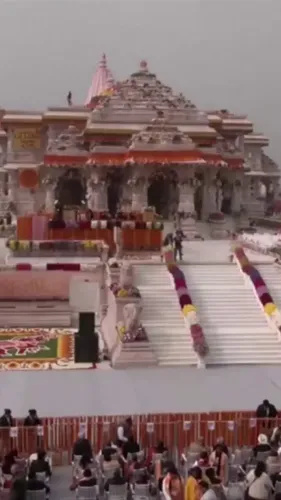
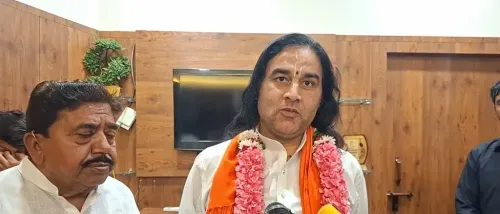
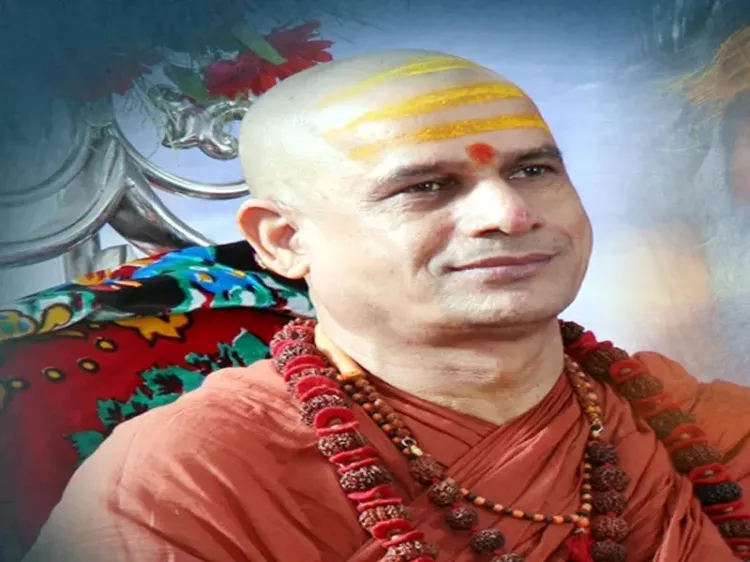
Jagadguru Shankaracharya Swami Sadanand Saraswati of the Shree Dwarka Shardapeeth on 4 July strongly condemned the alleged theft of donations at the Ram temple in Ayodhya, calling it not merely a financial crime but a profound betrayal of the faith of crores of devotees. Speaking from Dwarka, Gujarat, the seer demanded a thorough, impartial, and fearless investigation into the matter.
The Allegation and Its Religious Weight
The Shankaracharya stated that offerings made at the feet of Lord Ram constitute divine wealth, and any misappropriation of such funds amounts to a grave religious offence. He warned authorities that lower-level temple employees must not be made scapegoats while those truly responsible are shielded from accountability. 'The government's role is to provide facilities, not to manage religious rituals,' he asserted.
Call for a Sanatan Board
Swami Sadanand Saraswati criticised the prevailing model of government-controlled temple administration, arguing that governments often lack adequate understanding of Sanatan Dharma and Hindu scriptures. He pointed to what he described as a discriminatory pattern, noting that no comparable state control exists over mosques, churches, or gurudwaras. He called for the formation of an independent 'Sanatan Board' to oversee Hindu temple management, and proposed a guiding religious council comprising Shankaracharyas from the four peeths and respected saints to ensure proper oversight.
Transparency Demands for Ram Janmabhoomi Trust
The seer urged the Ram Janmabhoomi Trust to publish a detailed white paper covering all donations received and expenditures made. He outlined five mandatory principles for managing temple funds: digital and written records of every donation; annual independent audits; public disclosure of income and expenditure; joint supervision by religious leaders and financial experts; and a clear explanation of every expense to devotees.
Against Commercialisation of Darshan
Swami Sadanand Saraswati cautioned against commercialising the darshan experience at the Ram Mandir, emphasising that sacred sites such as Ayodhya must remain centres of devotion and penance — not tourist destinations or business enterprises. He noted that while individuals may err, the sanctity of Ram Janmabhoomi and Sanatan Dharma remains eternal.
What the Shankaracharya Said About His Motive
The seer clarified that his concerns are neither political nor directed against any individual, but are solely aimed at protecting dharma, truth, and public faith. He appealed to all stakeholders to ensure swift justice so that the glory of Lord Ram and the trust of crores of devotees are upheld. The alleged theft case has renewed wider debate about the governance of major Hindu religious institutions and the accountability of their financial management.
Point of View
Churches, or gurudwaras? That argument has gained traction for years but rarely finds this level of institutional voice. The demand for a Sanatan Board is not new, but attaching it to a high-visibility financial scandal at the country's most politically charged temple gives it fresh momentum. The real accountability test, however, lies with the Ram Janmabhoomi Trust — whether it will publish the white paper the Shankaracharya has demanded, or whether the call will be absorbed into the noise.
NationPress
3 Oct 2026
Frequently Asked Questions
What is the Ram temple donation theft case?
It refers to the alleged misappropriation of donation funds at the Ram temple in Ayodhya, which prompted Shankaracharya Swami Sadanand Saraswati to demand an impartial investigation and greater financial transparency from the Ram Janmabhoomi Trust.
What is the Sanatan Board that the Shankaracharya has proposed?
The Sanatan Board is an independent body proposed by Swami Sadanand Saraswati to manage Hindu temples free from government control. He also suggested a guiding religious council comprising Shankaracharyas from the four peeths and respected saints to oversee temple administration.
What transparency measures has the Shankaracharya demanded from the Ram Janmabhoomi Trust?
He urged the Trust to publish a white paper on all donations and expenditures, and outlined five principles: digital and written donation records, annual independent audits, public income-expenditure disclosure, joint oversight by religious leaders and financial experts, and itemised explanations of every expense.
Why does the Shankaracharya say government control over temples is discriminatory?
He argued that the Indian state exercises financial and administrative control over Hindu temples but imposes no comparable oversight on mosques, churches, or gurudwaras, which he described as unequal treatment of religious institutions.
What did the Shankaracharya say about commercialisation of the Ram Mandir?
Swami Sadanand Saraswati advised against commercialising the darshan experience, stressing that the Ram Mandir must remain a centre of devotion and service rather than a tourist destination or business enterprise.