Gujarat Dy CM Harsh Sanghavi on Chhath Puja: 'Respecting others makes us richer'

Synopsis
Gujarat Deputy CM Harsh Sanghavi's response to a viral X post about Chhath Puja at Ahmedabad's Sabarmati Riverfront became a moment of political messaging around unity in diversity — with over 20,000 devotees at the riverfront and 1.25 lakh in Surat, the festival's scale in Gujarat reflects a decade-long demographic shift driven by North Indian migration.
Key Takeaways
Gujarat Deputy CM Harsh Sanghavi responded to an X post praising Gujaratis' hospitality during Chhath Puja celebrations at Ahmedabad's Sabarmati Riverfront .
Sanghavi said: 'Respecting someone else's culture makes us truly richer,' invoking Gujarat's tradition of unity in diversity .
More than 20,000 devotees were expected at the Sabarmati Riverfront ; in Surat , around 1.25 lakh observed the festival across 22 locations .
The four-day festival ran from 13 November to 16 November , concluding with 'Usha Arghya' — the sunrise prayer ritual.
The Ahmedabad Municipal Corporation provided water, sanitation, security and overnight facilities for devotees.
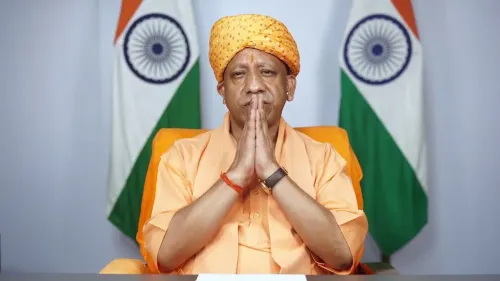
Gujarat Deputy Chief Minister Harsh Sanghavi on Monday, 16 November 2026, invoked the state's tradition of cultural coexistence after a social media user shared her experience of celebrating Chhath Puja at the Sabarmati Riverfront in Ahmedabad. Responding to the post on X, Sanghavi described the festival as a reflection of Gujarat's spirit of mutual respect and unity in diversity.
What Sanghavi Said
'This is the true beauty of Gujarat, a land where culture is celebrated, traditions are respected, and humanity always comes first,' the Deputy Chief Minister said. He added: 'Gujarat doesn't just welcome diversity; it embraces it with an open heart. Because celebrating your own culture is beautiful, but respecting someone else's makes us truly richer. Unity in diversity is not just an idea here; it's a way of life.'
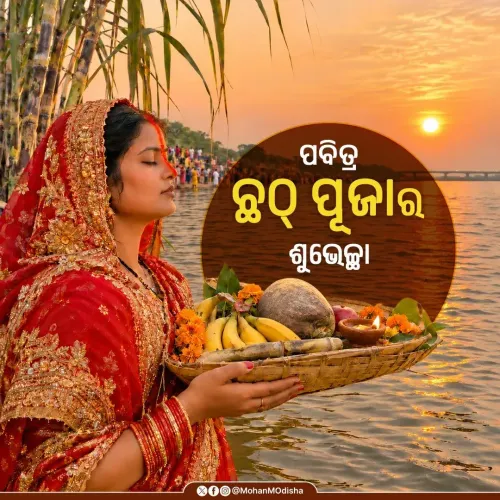
Sanghavi also extended greetings for the occasion in a separate post on X, describing Chhath Puja as a festival 'symbolising faith, devotion and dedication to nature.' He wrote: 'May the great festival of Chhath Puja, a symbol of faith, penance and devotion to nature, bring happiness, peace and prosperity into everyone's lives.'
The Post That Sparked the Response
The exchange was prompted by an X user who described being 'touched by the kindness shown by Gujaratis' during her visit to the Sabarmati Riverfront for Chhath Puja. She observed that Gujarat demonstrated how communities could celebrate their own traditions while allowing others to practise theirs without feeling threatened. Sanghavi's response amplified the sentiment, drawing wider attention to the celebrations.
Chhath Puja at the Sabarmati Riverfront
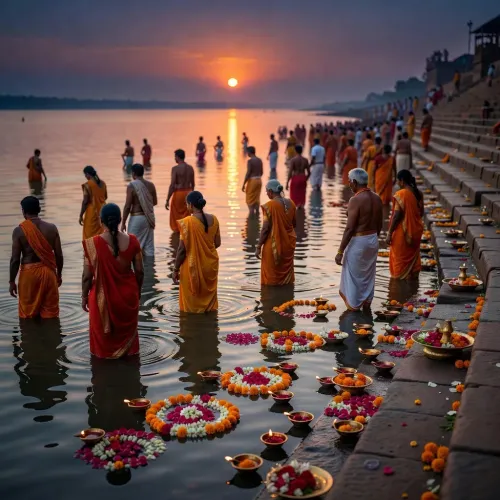
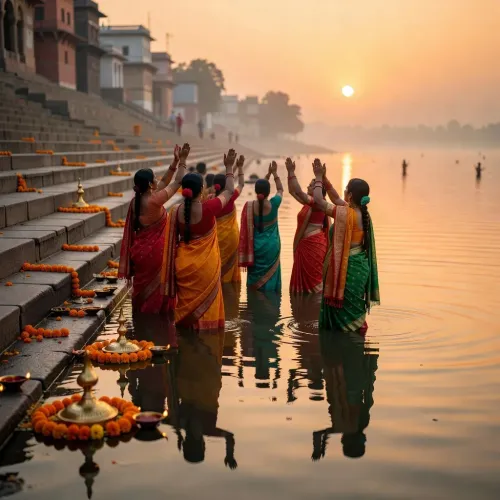
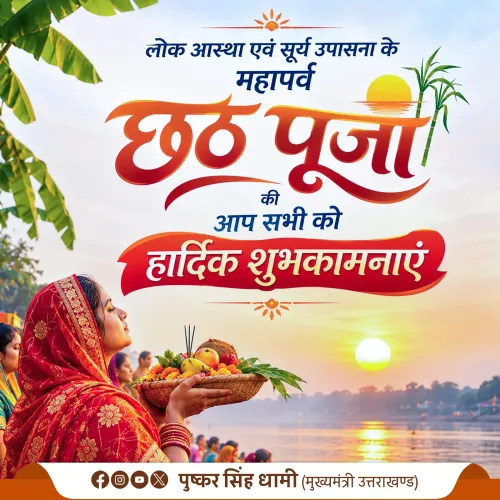
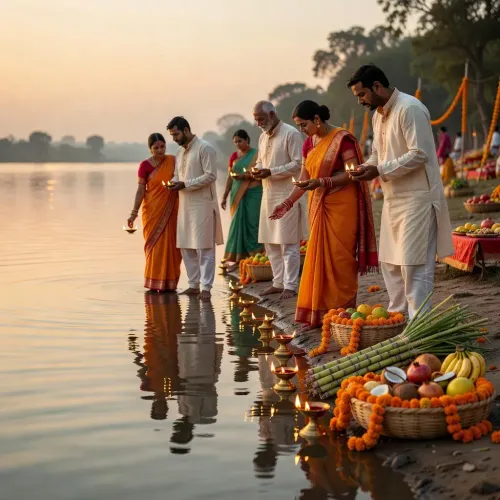
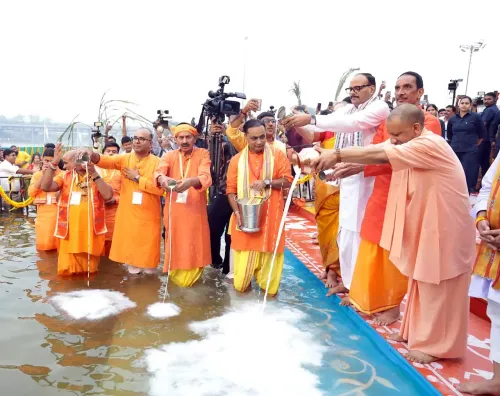
Chhath Puja is a four-day festival primarily observed by communities from Bihar, eastern Uttar Pradesh, Jharkhand and parts of Nepal, dedicated to the worship of the Sun God and Chhathi Maiya. Devotees observe strict rituals including fasting and offer arghya — water offerings — to the setting sun and the rising sun, praying for the well-being of their families.
At the Sabarmati Riverfront, particularly near the Indira Bridge ghat, more than 20,000 devotees were expected to participate, according to organisers. Additional ghats were set up across Shahibaug, Sabarmati, Bapunagar, Saraspur, Meghaninagar and Chandkheda.
The Ahmedabad Municipal Corporation made arrangements for water, sanitation and security, including overnight facilities for devotees. In Surat, celebrations were organised at around 22 locations, with approximately 1.25 lakh devotees expected to participate, according to officials.
Four Days of Observance
The four-day festival commenced on 13 November with 'Nahay-Khay' and concluded on Monday with 'Usha Arghya', the sunrise prayer ritual during which devotees offer prayers to the rising sun before breaking their fast. The festival has grown into a major community celebration in Gujarat, particularly in Ahmedabad and Surat, where large numbers of families from Bihar, Uttar Pradesh and other North Indian states have settled for work and business.
Notably, this is not an isolated instance of Chhath Puja gaining scale in western India — the festival has seen steadily growing participation in Gujarat's industrial cities over the past decade, tracking the migration of North Indian labour to the state's manufacturing and trade hubs. With over a lakh devotees marking the occasion this year, it has firmly entered Gujarat's public calendar alongside traditional Gujarati festivals.
Point of View
The deliberate amplification of an inter-community harmony narrative around Chhath Puja signals a conscious BJP effort to project Gujarat as a model of coexistence. The scale of Chhath celebrations in Ahmedabad and Surat is itself a story about demographic change: the North Indian migrant workforce that powers Gujarat's industry has quietly made the festival a fixture in the state's public life. What mainstream coverage tends to miss is that this 'unity' framing sits alongside longstanding debates about migrant workers' civic rights and labour conditions in Gujarat — the optics of welcoming culture do not always translate to structural inclusion.
NationPress
16 Nov 2026
Frequently Asked Questions
What did Gujarat Deputy CM Harsh Sanghavi say about Chhath Puja?
Harsh Sanghavi said that respecting others' cultures makes people 'truly richer,' praising Gujarat's tradition of cultural coexistence. He made the remarks while responding to an X post by a woman who described being moved by Gujaratis' kindness during Chhath Puja celebrations at the Sabarmati Riverfront in Ahmedabad.
How was Chhath Puja celebrated in Ahmedabad in 2024?
Chhath Puja was celebrated at the Sabarmati Riverfront in Ahmedabad, with the ghat near Indira Bridge serving as the main venue. More than 20,000 devotees were expected to participate, and additional ghats were set up in Shahibaug, Sabarmati, Bapunagar, Saraspur, Meghaninagar and Chandkheda. The Ahmedabad Municipal Corporation arranged water, sanitation, security and overnight facilities.
How many people observed Chhath Puja in Surat?
Approximately 1.25 lakh devotees were expected to observe Chhath Puja in Surat, with celebrations organised across around 22 locations, according to officials.
What are the key rituals of Chhath Puja?
Chhath Puja is a four-day festival in which devotees observe strict fasting and offer arghya — water offerings — to the setting sun and the rising sun. The 2024 observance began on 13 November with 'Nahay-Khay' and concluded on 16 November with 'Usha Arghya', when devotees pray to the rising sun before breaking their fast.
Why has Chhath Puja grown in Gujarat?
Chhath Puja has become a major community celebration in Gujarat because large numbers of families from Bihar, Uttar Pradesh, Jharkhand and other North Indian states have settled in cities like Ahmedabad and Surat for work and business. The festival's presence in Gujarat reflects a decade-long demographic shift driven by North Indian labour migration to the state's industrial centres.