Meghalaya CM Conrad Sangma targets NPP majority in 2028 Assembly polls
Synopsis
Conrad Sangma has drawn his clearest electoral line yet: an outright NPP majority in 2028, without coalition crutches. With the UDP down to a single MLA after defections to both the NPP and BJP, Meghalaya's opposition is in freefall — and Sangma is moving fast to consolidate every seat he can before the next election cycle.
Key Takeaways
Sangma on 28 October 2026 set a target of winning an outright NPP majority in the 2028 Meghalaya Assembly elections .
Former UDP legislators Paul Lyngdoh and Renikton L.
Tongkhar formally joined the NPP at a ceremony in Shillong ; a third, Nujorki Sungoh , missed due to ill health.
The Meghalaya Assembly Speaker formally recognised the merger of the three UDP legislators with the NPP on 23 October .
Earlier, 8 UDP MLAs merged with the BJP , leaving the UDP with just 1 legislator in the 60-member Assembly .
The NPP's near-term focus is on the Shillong Lok Sabha by-election , with D.R.L.
Nonglait named as a strong candidate.
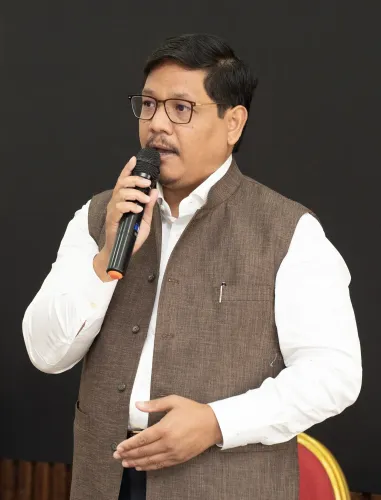
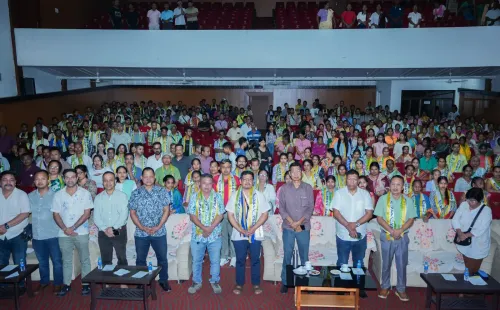
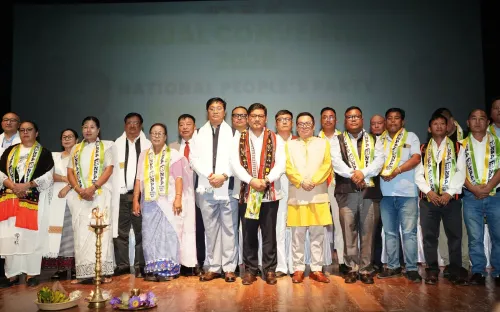
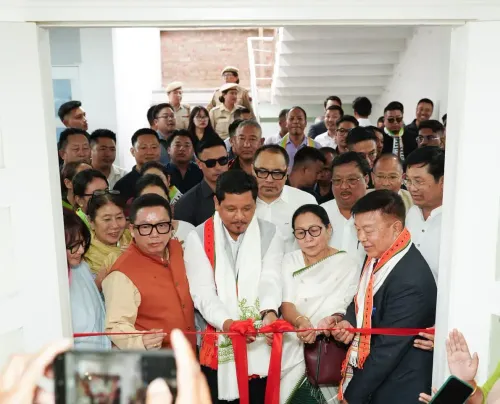
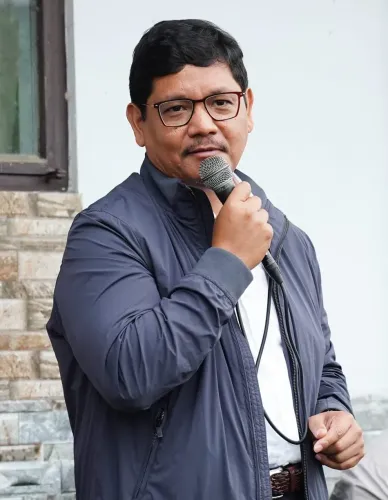
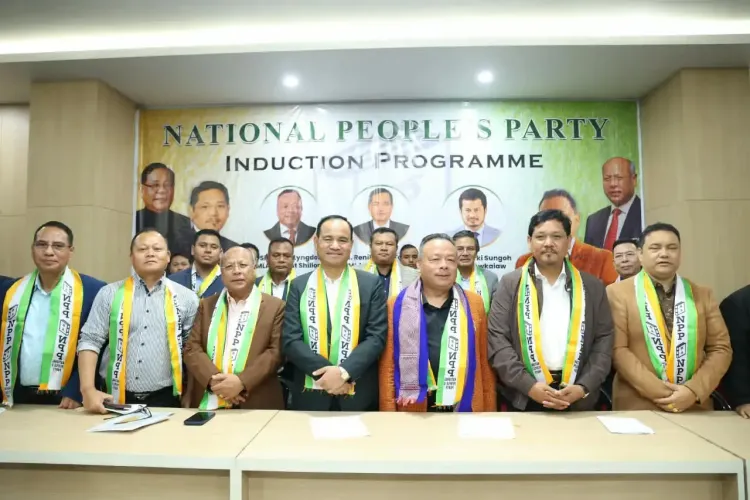
Meghalaya Chief Minister and National People's Party (NPP) president Conrad K. Sangma on Wednesday, 28 October 2026, set an ambitious target of winning an outright majority in the 2028 Meghalaya Assembly elections, urging party workers to pair consistent grassroots outreach with focused, strategic campaigning. The declaration came at a party induction ceremony in Shillong, where two former legislators formally joined the NPP's ranks.
Key Inductions at the Shillong Ceremony
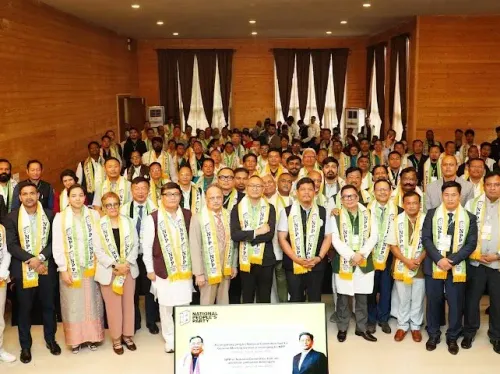
Former United Democratic Party (UDP) legislators Paul Lyngdoh and Renikton L. Tongkhar were welcomed into the NPP at the ceremony. Sangma described their entry as politically significant, citing both their long-standing association with the party and personal ties with its leadership.
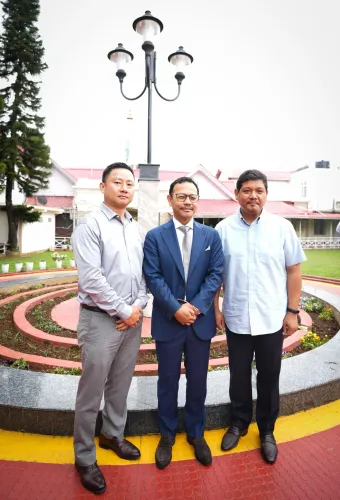
Drawing on the NPP's founding moment, Sangma recalled a photograph taken on 24 August 2012 — the day the party was established in Meghalaya — in which Tongkhar was present, underscoring the depth of his connection to the organisation. A third former UDP legislator, Mookaiaw MLA Nujorki Sungoh, was unable to attend due to ill health, though supporters of all three legislators participated in the ceremony.
Electoral Roadmap: By-Poll, GHADC, and 2028
Sangma outlined a clear electoral sequence for the party. The immediate priority is the Shillong Lok Sabha by-election, followed by the Garo Hills Autonomous District Council (GHADC) elections, and ultimately the 2028 Assembly polls. He expressed confidence in D.R.L. Nonglait as the party's candidate for the parliamentary seat and called on workers to mobilise actively.
Cautioning against complacency, Sangma stressed that electoral success would depend not just on the volume of work undertaken but on the quality of voter engagement. 'It is not just about how much work we do, but how effectively we connect with the people,' he emphasised, according to reports from the ceremony.
Shifting Opposition Landscape in Meghalaya
The inductions follow the Meghalaya Assembly Speaker's formal recognition, on 23 October, of the merger of the three UDP legislators with the NPP. Earlier, eight UDP MLAs had merged with the Bharatiya Janata Party (BJP), shrinking the UDP's legislative presence from 12 members to just one in the 60-member Assembly.
This rapid erosion of the UDP — once a significant third force in Meghalaya politics — represents a sweeping realignment of Opposition ranks ahead of the next electoral cycle. The NPP, which currently governs Meghalaya as part of a coalition, is now consolidating its position with an eye on governing independently after 2028.
What This Means for Meghalaya Politics
Notably, the collapse of the UDP comes at a time when the NPP is seeking to shed its dependence on coalition partners. Winning an outright majority in a 60-seat Assembly would require the NPP to secure at least 31 seats — a threshold the party has not yet crossed on its own. The absorption of legislators from across party lines is a calculated move to both widen its base and weaken the opposition ahead of what promises to be a competitive 2028 contest.
Point of View
Not arithmetic dominance — and that dependency limits its policy autonomy. The UDP's near-total collapse is politically convenient, but absorbing legislators from fractured parties does not automatically translate into durable vote banks. The real test will come in the Shillong by-election: if Nonglait wins convincingly, the 2028 majority target gains credibility; if the party struggles in a single parliamentary constituency, the ceiling becomes visible well before Assembly voting day.
NationPress
29 Oct 2026
Frequently Asked Questions
What is Conrad Sangma's target for the 2028 Meghalaya Assembly elections?
Chief Minister Conrad K. Sangma has set a target of the NPP winning an outright majority in the 2028 Meghalaya Assembly elections, without relying on coalition partners. He made the declaration at a party induction ceremony in Shillong on 28 October 2026.
Which former UDP legislators joined the NPP at the Shillong ceremony?
Former UDP legislators Paul Lyngdoh and Renikton L. Tongkhar joined the NPP at the ceremony. A third former UDP MLA, Mookaiaw's Nujorki Sungoh, could not attend due to ill health but is also part of the merger, which was recognised by the Meghalaya Assembly Speaker on 23 October.
What has happened to the United Democratic Party in Meghalaya?
The UDP has been reduced to a single legislator in the 60-member Meghalaya Assembly. Eight of its MLAs earlier merged with the BJP, and three more have now joined the NPP, leaving the party with just one member.
Who is the NPP's candidate for the Shillong Lok Sabha by-election?
Sangma expressed confidence in D.R.L. Nonglait as a strong candidate for the Shillong Lok Sabha by-election, which is the party's most immediate electoral priority before the GHADC elections and the 2028 Assembly polls.
How many seats does the NPP need to win an outright majority in the Meghalaya Assembly?
The Meghalaya Assembly has 60 seats, meaning any party needs at least 31 seats for an outright majority. The NPP currently governs through a coalition arrangement and has not previously crossed this threshold on its own.