Kerala CM Satheesan told to 'change style of functioning' four months in
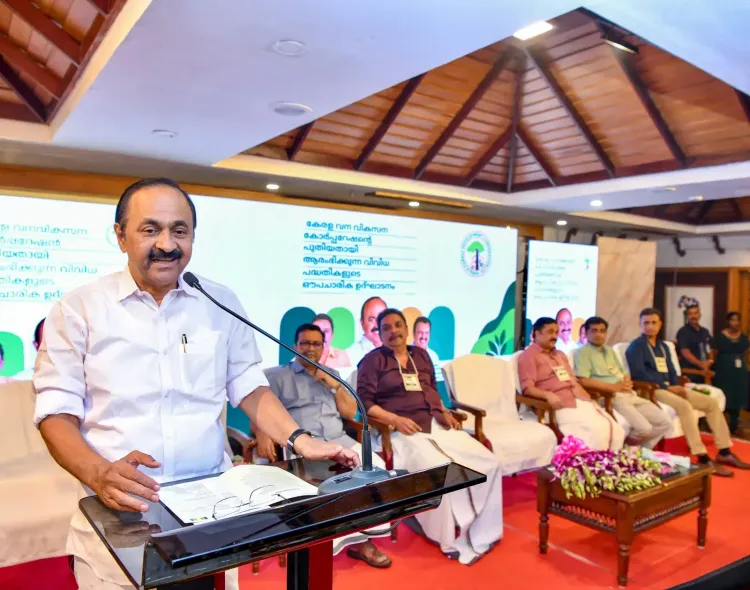
Synopsis
Four months into office, Kerala CM V.D. Satheesan is hearing a phrase that has haunted every Congress chief minister in the state for decades — 'change your style of functioning.' From Karunakaran in 1995 to Antony to Chandy, the demand recurs regardless of who leads. The fact that both UDF convenor Adoor Prakash and SNDP chief Vellappally Natesan have now used near-identical language suggests this is less about Satheesan the person and more about a structural flaw in how Kerala's Congress manages power.
Key Takeaways
Satheesan is facing internal criticism just four months into office over his decision-making style.
UDF convenor and Congress MP Adoor Prakash says he learns of major government decisions through the media, not internal consultation.
SNDP Yogam General Secretary Vellappally Natesan has also told Satheesan to 'change his style of functioning.' Disputed appointments include M.K.
Muneer as Chairman of the Administrative Reforms Commission and G.
Devarajan as Special Representative in New Delhi .
The same phrase was used against Congress CMs K.
Karunakaran (1995), A.K.
Antony , and Oommen Chandy .
Kunhalikutty and Panakkad Sadiq Ali Shihab Thangal have sought to de-escalate, saying no 'Himalayan' issues exist in the UDF.
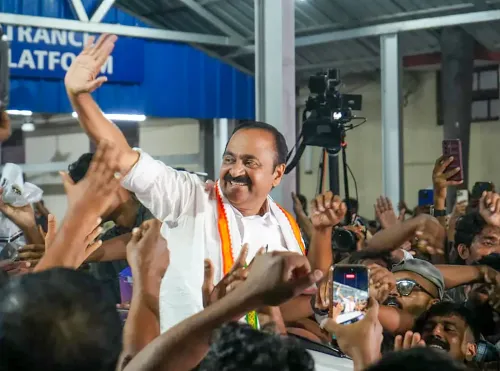
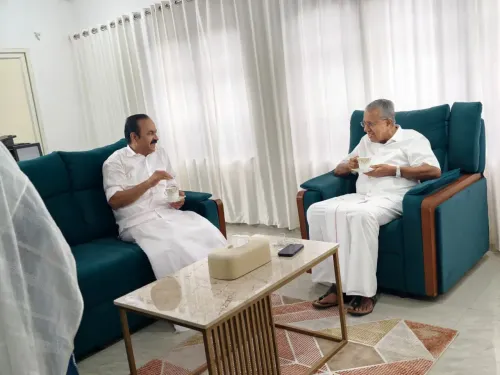
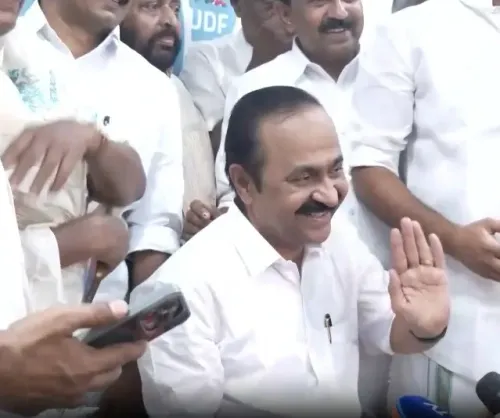
Kerala Chief Minister V.D. Satheesan is facing a familiar refrain from within his own coalition — just four months into office — with allies demanding he alter the way he exercises power and consults partners before taking key decisions.
The Immediate Trigger
United Democratic Front (UDF) convenor and Congress MP Adoor Prakash has accused Satheesan of taking important decisions without adequate consultation with the party and coalition partners. Prakash says he frequently learns of major government moves through the media rather than through internal deliberation, and has indicated he plans to raise his grievances with the Congress high command. Crucially, Prakash has stressed that his objection is not to the individuals appointed but to the manner in which those decisions were taken.
The specific appointments at issue include the naming of IUML leader M.K. Muneer as Chairman of the Administrative Reforms Commission and Forward Bloc leader G. Devarajan as the government's Special Representative in New Delhi — both made, critics say, without sufficient coalition-level consultation.
Vellappally Natesan Joins the Chorus
SNDP Yogam General Secretary Vellappally Natesan on Friday deployed almost the same language, saying Satheesan should 'change his style of functioning.' The near-identical phrasing from two distinct quarters of the UDF has underscored the depth of the discontent, even as the immediate controversy remains below open-rupture level.
A Phrase With Decades of History in Kerala Congress
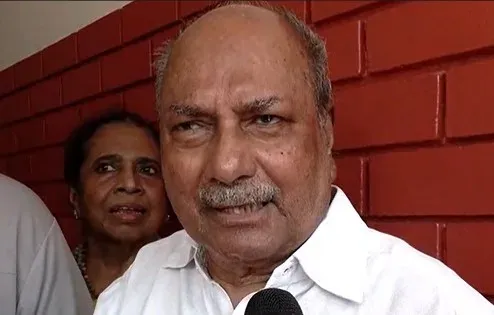
The demand is, in a sense, older than the current chief minister's political career. During the factional battles that ultimately brought down K. Karunakaran's government in 1995, the call for a change in the Chief Minister's style of functioning was a central grievance of his opponents. A.K. Antony succeeded Karunakaran, only to face his own round of factional friction, with rivals complaining that internal battles were constraining his governance. Even Oommen Chandy — whose reputation was built on accessibility and constant public interaction, almost the philosophical opposite of the closed-door style — drew repeated criticism over consultation and decision-making during his tenures.
Notably, every generation of Congress leadership in Kerala appears to inherit not only the party organisation and its embedded factions, but also this identical complaint about the exercise of power.
Coalition Partners Seek to Cool Tensions
The Indian Union Muslim League (IUML), the second-largest UDF constituent, has moved to de-escalate. Senior IUML leader P.K. Kunhalikutty said there are no major 'Himalayan' problems within the UDF and that several points of friction had already been resolved through bilateral discussions. Panakkad Sadiq Ali Shihab Thangal similarly said that differences can be discussed and resolved, signalling that the league is not looking to push the dispute to a breaking point.
What This Means Going Forward
The pattern suggests the complaint is structural rather than personal — rooted in how the Congress organisation in Kerala navigates coalition governance and internal factions. Whether Satheesan can recalibrate his working style without being seen as capitulating to factional pressure is now the central political question. How he manages the next round of significant appointments or policy calls could determine whether this friction hardens into a sustained challenge to his authority.
Point of View
Regardless of their personality or governance approach. That should prompt a harder question: is this about individual leaders at all, or is it a symptom of a party organisation structurally unable to reconcile coalition governance with centralised decision-making? Satheesan's challenge is compounded by the fact that accommodating faction demands too visibly risks looking weak, while ignoring them risks a slow erosion of coalition cohesion — the same trap that ensnared his predecessors.
NationPress
2 Oct 2026
Frequently Asked Questions
Why is Kerala CM V.D. Satheesan being criticised within his own coalition?
Satheesan is being criticised for taking major government decisions without adequately consulting his party and UDF coalition partners. UDF convenor Adoor Prakash says he often learns of significant moves through the media rather than through internal discussions, and plans to raise the matter with the Congress high command.
What specific appointments have sparked the controversy?
The disputed decisions include appointing IUML leader M.K. Muneer as Chairman of the Administrative Reforms Commission and Forward Bloc leader G. Devarajan as the government's Special Representative in New Delhi. Critics say the objection is not to the individuals but to the manner in which the decisions were made without coalition consultation.
Who else has used the phrase 'change style of functioning' against Kerala Congress leaders?
The phrase has a decades-long history in Kerala politics. It was raised against CM K. Karunakaran ahead of the collapse of his government in 1995, directed at A.K. Antony during his own factional troubles, and surfaced repeatedly even during Oommen Chandy's tenure, which was known for its open and accessible style.
How has the IUML responded to the controversy?
The IUML, the second-largest UDF constituent, has sought to de-escalate. Senior leader P.K. Kunhalikutty said there are no major 'Himalayan' problems in the coalition and that several disputes have been resolved bilaterally. Panakkad Sadiq Ali Shihab Thangal also said differences can be discussed and resolved.
What does this episode reveal about Congress's governance pattern in Kerala?
The recurrence of the same demand across multiple Congress chief ministers suggests a structural tension within the party — between centralised decision-making by the CM and the expectation of coalition-wide consultation. Each new leadership generation inherits both the party's factions and this persistent complaint about how power is exercised.