V.D. Satheesan's Kerala govt at 100 days: A new style meets old challenges
Synopsis
V.D. Satheesan has spent 25 years in Kerala politics without ever holding a Cabinet post — and his first 100 days as Chief Minister show both the promise and the strain of that unusual transition. A more open, self-correcting style is his defining bet; whether it can match the decisiveness voters eventually demand is the question his next 100 days will begin to answer.
Key Takeaways
Satheesan's UDF government in Kerala completed 100 days in office, pledging open governance and willingness to correct mistakes.
Key early moves include a free travel scheme for women on KSRTC buses, scrapping the SilverLine project, and launching Operation Toofan against the drug trade.
The Secretariat was reopened to ordinary citizens and post-Cabinet press conferences were revived — a visible break from predecessor Pinarayi Vijayan's style.
Controversies over appointments, a U-turn on the PM SHRI scheme, and delayed decisions have exposed the administrative inexperience of a largely first-time Cabinet.
Satheesan spent 25 years in the Assembly — including as Leader of Opposition from 2021 to 2026 — without ever holding a ministerial post before becoming Chief Minister.
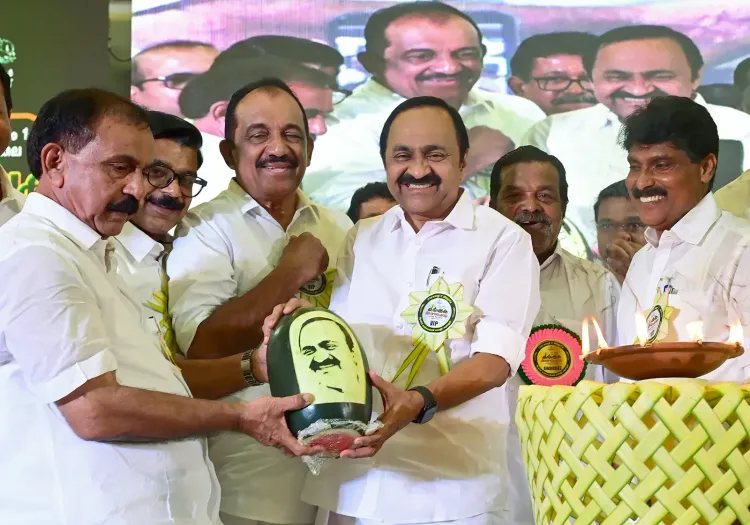
Kerala Chief Minister V.D. Satheesan's government has crossed its first 100 days in office, marking the milestone with a pledge of open governance — and a candid acknowledgement that mistakes have been made and corrected. The United Democratic Front (UDF) administration, which took charge in 2026, has moved deliberately to distinguish itself from the decade-long tenure of its predecessor, former Chief Minister Pinarayi Vijayan of the Communist Party of India (Marxist).
A Different Political Grammar
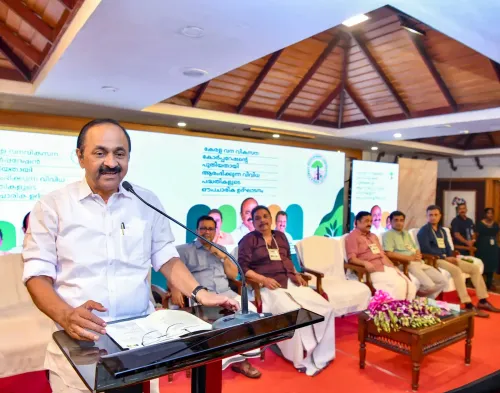
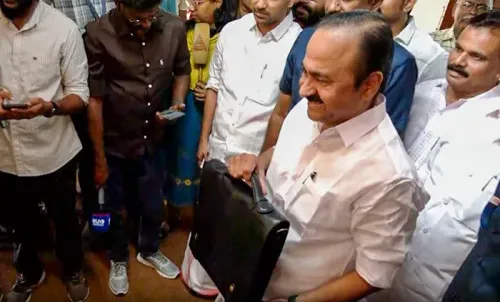
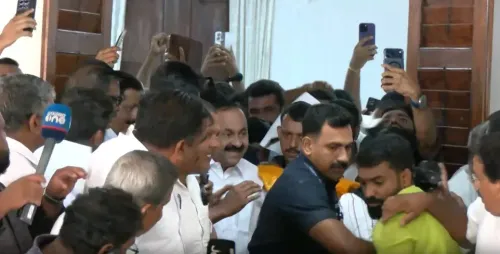
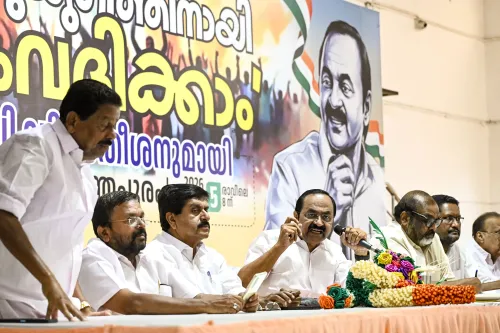
Where Vijayan projected a centralised, rarely apologetic authority, Satheesan has adopted a more conversational and accessible public style. The reopening of the Secretariat to ordinary citizens, a visible reduction in police escorts and security convoys, and the revival of post-Cabinet press conferences by the Chief Minister have all signalled a deliberate shift in how power presents itself in Thiruvananthapuram.
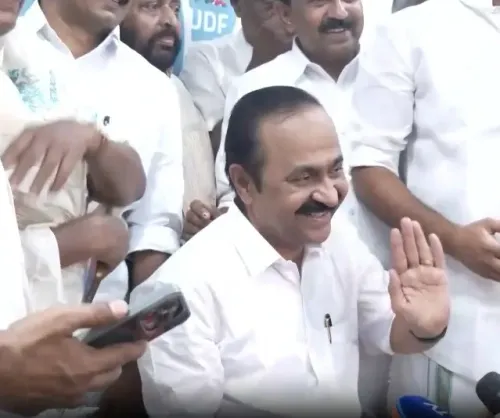
'Hundred days is a short period, but we can confidently say that the government has moved forward with pride towards its goal of compassion and good governance,' CM Satheesan said.
Key Policy Moves in the First 100 Days
The government has moved quickly on several fronts to build a welfare narrative. A free travel scheme for women on KSRTC ordinary buses, the formal abandonment of the politically contentious SilverLine rail corridor project, the creation of a dedicated senior citizens' department, and a crackdown on the drug trade through 'Operation Toofan' have formed the early policy backbone.
The Onam season provided a further test. Supplyco kept 13 subsidised essentials available through market intervention, welfare pension payments were released, and enhanced benefits were extended to ASHA and Anganwadi workers — moves designed to be felt at the household level.
The Inexperience Factor
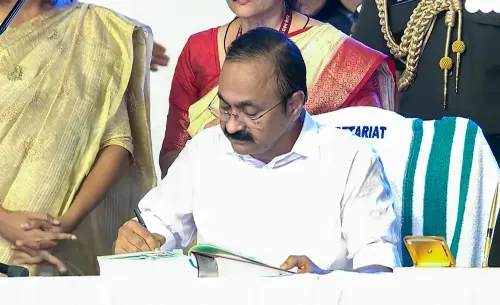
Satheesan's own political biography makes this moment unusual. He first entered the Kerala Legislative Assembly in 2001 and served as Leader of Opposition from 2021 to 2026 — but never held a ministerial portfolio in those 25 years. Many of his Cabinet colleagues are similarly new to executive office.
That inexperience has shown. Controversies over appointments, delays in decision-making, and a government U-turn on the PM SHRI schools scheme have drawn criticism. The appointment given to the daughter of former ADM Naveen Babu also attracted scrutiny. Several decisions had to be revisited after public pushback — precisely the kind of administrative stumble that opposition parties have highlighted.
The Balancing Act Ahead
Satheesan's stated position is that the government will remain open to criticism and correct genuine errors, but will not bend to pressure from vested interests. That formulation attempts to thread a difficult needle: appearing firm without inflexibility, accessible without projecting weakness.
Vijayan's political strength rested on an image of an administration that rarely appeared to yield. Satheesan is testing whether a more transparent and self-correcting style can generate equivalent political authority. After 100 days, the experiment remains in its early stages — and the harder tests of governance are almost certainly still ahead.
Point of View
But it carries a real political risk: in Kerala's combative political culture, visible U-turns can quickly be read as weakness rather than accountability. The PM SHRI reversal and the appointments controversy are early data points that opponents will return to. The deeper structural question is whether a Cabinet largely untested in executive office can build administrative muscle fast enough to match the ambition of its welfare agenda. Satheesan has changed the tone; the test now is whether tone alone can sustain a government through the harder decisions that inevitably follow the first hundred days.
NationPress
9 Oct 2026
Frequently Asked Questions
What has V.D. Satheesan's Kerala government done in its first 100 days?
The Satheesan-led UDF government has introduced a free travel scheme for women on KSRTC ordinary buses, formally abandoned the SilverLine rail project, created a dedicated senior citizens' department, and launched Operation Toofan against the drug trade. It also reopened the Secretariat to ordinary citizens and revived post-Cabinet press conferences.
How does Satheesan's governance style differ from Pinarayi Vijayan's?
Vijayan governed with a centralised, rarely apologetic authority over a decade in office. Satheesan has adopted a more conversational, accessible style — reducing security convoys, holding open press conferences, and publicly acknowledging that mistakes will be corrected. Critics and supporters alike see this as a deliberate contrast in political grammar.
What controversies has the Satheesan government faced in its first 100 days?
The government faced criticism over appointment decisions, including one linked to the daughter of former ADM Naveen Babu, delays in key decisions, and a U-turn on the PM SHRI schools scheme. Several decisions had to be revisited following public criticism, which opposition parties have cited as evidence of administrative inexperience.
Why is Satheesan's transition to Chief Minister considered unusual?
Satheesan entered the Kerala Legislative Assembly in 2001 and served as Leader of Opposition from 2021 to 2026, but never held a ministerial post in 25 years of political life. His first 100 days as Chief Minister represent his first real experience of executive governance — an uncommon profile for a sitting Chief Minister.
What welfare measures did the Kerala government introduce during the Onam season?
During Onam, Supplyco made 13 subsidised essentials available through market intervention, welfare pension payments were disbursed, and enhanced benefits were extended to ASHA and Anganwadi workers. The measures were aimed at demonstrating governance impact at the household level.