Savarkar's grandson challenges Sonia Gandhi: Examine Nehru's role in 1947 Partition
Synopsis
Sonia Gandhi's memoir triggered a full-blown historical and political firefight: Savarkar's grandson is now demanding Gandhi answer for Nehru's alleged 24-hour U-turn on Partition, while Shiv Sena's book-tearing protest accidentally shredded an image of Bal Thackeray — turning a literary controversy into a multi-front political crisis in Maharashtra.
Key Takeaways
Ranjit Savarkar on 18 November rebutted Sonia Gandhi's memoir claims about VD Savarkar , calling the mercy-petition narrative unproven.
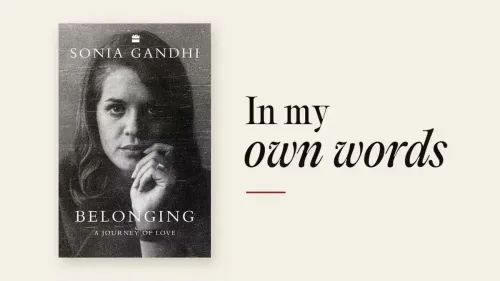
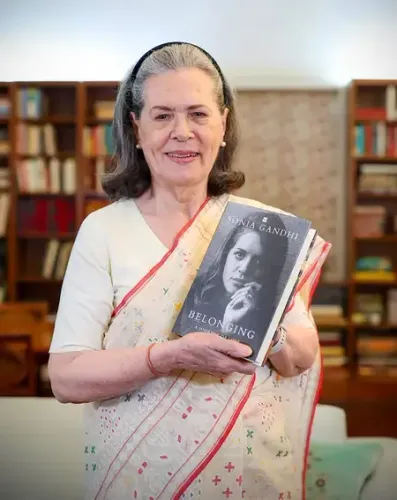
Gandhi's book 'Belonging: A Journey of Love' states on page 201 that Savarkar wrote mercy petitions to the British while Congress leaders faced imprisonment.
Ranjit Savarkar cited Lord Mountbatten's records to allege Nehru reversed his rejection of the Partition proposal within 24 hours in May, accelerating Partition to 72 days .
VD Savarkar spent 27 years under British confinement — in the Andaman Islands until 1924 , then in Ratnagiri for 13 years , according to Ranjit Savarkar.
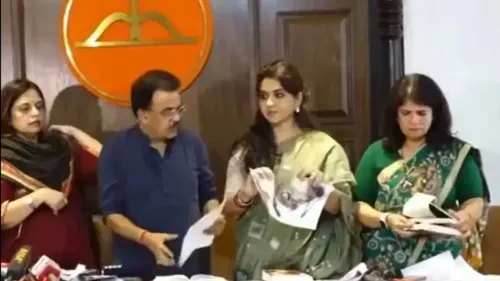
Shiv Sena leaders tore pages of Gandhi's memoir in protest; footage showed an image of Bal Thackeray accidentally torn, sparking fresh condemnation.
Ranjit Savarkar called the Thackeray image incident likely a mistake and suggested an apology may have been issued.
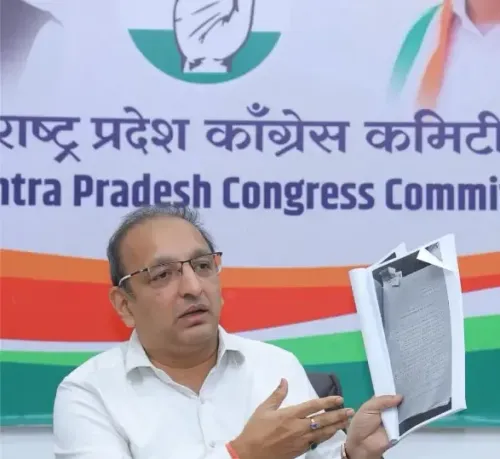
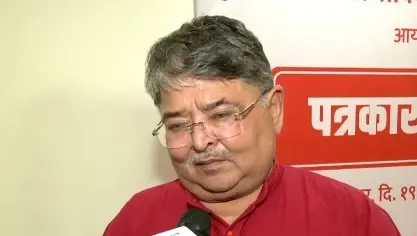
Ranjit Savarkar, grandson of Vinayak Damodar Savarkar, on Thursday, 18 November, sharply counter-attacked Congress Parliamentary Party (CPP) Chairperson Sonia Gandhi over her portrayal of the Hindutva ideologue in her memoir 'Belonging: A Journey of Love', demanding that Gandhi examine former Prime Minister Jawaharlal Nehru's alleged role in accelerating the 1947 Partition of India. The remarks intensify a political storm that has already seen Shiv Sena leaders publicly tear pages of Gandhi's book over the same passages.
The Passage That Sparked the Controversy
The row centres on two passages in Gandhi's memoir. On page 201, she writes: 'While Congress freedom fighters were enduring assaults and imprisonment at the hands of the British rulers, senior ideologues of the RSS like Vinayak Damodar Savarkar were writing mercy petitions to their colonial masters and their members were colluding with the British authorities as informers.' A second passage on page 443 contends that the ideology in question dismisses constitutional rights as alien to Hindu civilisation.
The controversy erupted a day after Shiv Sena leaders tore pages of the memoir in protest. Video footage from that demonstration also appeared to show a sheet carrying an image of Bal Thackeray being torn alongside a photograph of Congress leader Mani Shankar Aiyar, triggering widespread condemnation and street protests from opposition parties.
Ranjit Savarkar's Rebuttal on the Mercy Petition Claim
Ranjit Savarkar flatly rejected Gandhi's characterisation of his grandfather. 'I was told that she has written that Nehru faced lathi blows while Savarkar kept pleading for mercy. He did not seek mercy; this is my challenge. Nobody has been able to show any proof of it,' he said.
He pointed out that VD Savarkar was imprisoned by the British in the Andaman Islands until 1924 and subsequently confined to Ratnagiri for another 13 years. 'Altogether, he remained under British confinement for 27 years. Yet people continue to claim that Savarkar kept seeking mercy,' he stated. The debate over Savarkar's petitions is a long-running historical dispute; critics cite documented petitions from his years in the Andamans, while supporters contest the characterisation of those documents as pleas for mercy.
The Nehru-Partition Argument
Ranjit Savarkar redirected attention toward the historical record of Partition, citing Lord Mountbatten's documents on the transfer of power. He alleged that Lord Mountbatten invited Nehru to Shimla to show him the initial transfer-of-power proposal — before Nehru held any ministerial position. 'Could they not have shown the proposal to him in Delhi? Nehru was not even a minister at the time, yet the proposal was specifically shown to him,' he said.
He further claimed that when the Partition proposal returned from the London Cabinet on 10 May, Nehru reportedly rejected it outright the following day but accepted it on 12 May — a reversal within 24 hours. 'Sonia Gandhi should examine what happened that caused such a dramatic change of decision within a day,' he stated. He alleged that Nehru's revised approach was, in some ways, more consequential than the original proposal, asserting that Nehru sought to avoid British culpability for the resulting bloodshed.
'Nehru said that both the Muslim League and Congress were willing to accept responsibility, provided power was transferred immediately and authority was handed to the existing partners, namely Liaquat Ali Khan and Nehru. This was accepted, and instead of allowing the process to continue until June 1948 as originally envisioned, India's Partition was carried out much earlier, in just 72 days, leading to immense bloodshed. Therefore, Nehru bears responsibility for it. The documents show this clearly,' he stated. These are Ranjit Savarkar's allegations; historians hold varying and contested assessments of Nehru's precise role in the Partition timeline.
On the Shiv Sena Book-Tearing Incident
Ranjit Savarkar distanced himself from the controversy over the accidental tearing of Thackeray's image. 'I do not think anyone in Maharashtra would deliberately disrespect Shiv Sena's founder. As far as I know, an apology may also have been issued,' he said. He described book-tearing as a symbolic act of protest, comparable to burning effigies, adding: 'Beyond that, it does not achieve much.'
He also asked the Congress to refrain from citing Nehru's alleged lathi charges without engaging with the broader historical record. 'I do not know when those lathi charges happened. What I do know is that the sacrifices of revolutionaries should not be insulted,' he said. The political dispute over Savarkar's legacy has intensified ahead of Maharashtra assembly elections, reflecting the continuing potency of competing nationalist narratives in Indian public life.
Point of View
Days before Maharashtra votes, is not incidental. Ranjit Savarkar's pivot to Nehru's Partition role is a well-worn deflection tactic, but it carries real traction with a voter base primed to question Congress's historical ownership of the independence movement. What mainstream coverage underweights is that both sides are making historiographical claims that rest on contested, selectively cited primary sources — the mercy-petition debate has been alive among serious historians for decades without resolution. The danger is that a legitimate historical question gets reduced to competing press-conference assertions, with no accountability framework on either side.
NationPress
19 Nov 2026
Frequently Asked Questions
What did Sonia Gandhi write about Savarkar in her memoir?
In her memoir 'Belonging: A Journey of Love', Sonia Gandhi writes on page 201 that while Congress freedom fighters faced imprisonment under British rule, senior RSS ideologues like Vinayak Damodar Savarkar were writing mercy petitions to colonial authorities and that RSS members colluded with the British as informers. A second passage on page 443 critiques the ideology as dismissing constitutional rights as alien to Hindu civilisation.
What is Ranjit Savarkar's response to the mercy petition claims?
Ranjit Savarkar, grandson of VD Savarkar, flatly denied the claims and challenged anyone to produce documentary proof that his grandfather sought mercy. He argued that Savarkar spent 27 years under British confinement — in the Andaman Islands until 1924, then in Ratnagiri for 13 years — which he said contradicts the portrayal. The historical debate over Savarkar's petitions, however, remains contested among scholars.
What allegations has Ranjit Savarkar made about Nehru and Partition?
Ranjit Savarkar alleged, citing Lord Mountbatten's records, that Nehru rejected the Partition proposal on 11 May but accepted it the very next day, 12 May, without explanation. He claimed this reversal accelerated Partition to just 72 days instead of the originally envisioned timeline through June 1948, contributing to mass bloodshed. These are Savarkar's allegations; historians hold varying assessments of Nehru's role.
Why did Shiv Sena tear pages of Sonia Gandhi's book?
Shiv Sena leaders tore pages of 'Belonging: A Journey of Love' on 17 November to protest Gandhi's remarks about VD Savarkar. The demonstration became controversial when video footage showed a sheet carrying an image of Shiv Sena founder Bal Thackeray being torn alongside a photo of Congress leader Mani Shankar Aiyar, triggering fresh condemnation and street protests.
What did Ranjit Savarkar say about the Bal Thackeray image incident?
Ranjit Savarkar said he did not believe anyone in Maharashtra would deliberately disrespect Shiv Sena's founder and suggested it was likely a mistake. He added that an apology may have been issued and characterised book-tearing in general as a symbolic form of protest, comparable to burning effigies.