SC orders UP to pay ₹6 lakh to man jailed 6 years before acquittal
Synopsis
The Supreme Court didn't just order ₹6 lakh for a man who lost six years of his life to a botched murder case — it sent the judgment directly to UP's top police and home officials, signalling that this indictment of investigative failure was meant to sting well beyond one courtroom.
Key Takeaways
The Supreme Court on 26 October 2026 ordered Uttar Pradesh to pay ₹6 lakh to Arun alias Deepak , acquitted after six years as an undertrial.
The case arose from an FIR at Achhnera police station, Agra in 2019 under IPC Sections 302, 364, and 201.
The court found no DNA test conducted, no conclusive identification of recovered bones, and the petitioner not even named in the FIR.
Payment must be made within one month ; delay attracts interest at 18% per annum .
A copy of the judgment has been directed to the Director General of Police and Home Secretary of Uttar Pradesh .
The Bench called it a 'travesty of justice' and stressed that police exist to deliver justice, not merely secure convictions.
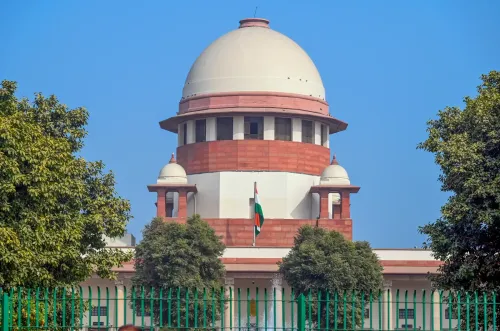
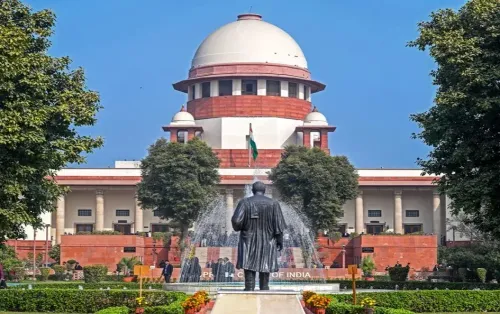
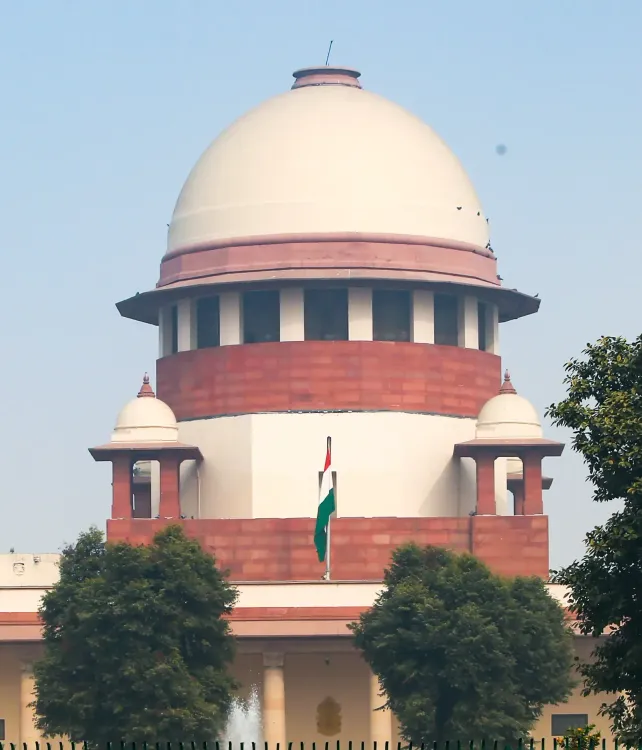
The Supreme Court of India on Monday, 26 October 2026, directed the Uttar Pradesh government to pay ₹6 lakh in compensation to Arun alias Deepak, a man who spent six years in custody as an undertrial in a murder and kidnapping case before being acquitted — sharply condemning what it called a 'slipshod investigation' and 'haphazard prosecution' that erased six years of his life.
What the Supreme Court Said
A Bench comprising Justice J.B. Pardiwala and Justice K. Vinod Chandran called the case a stark example of how an investigation must not be conducted. 'Six years have been erased from the life of a man on the strength of a concocted story built on mere surmises and conjectures. Not even a rudimentary investigation was carried out,' the court observed in its judgment authored by Justice Vinod Chandran.
The court ordered the state to pay the amount within one month, warning that any delay beyond that period would attract interest at 18 per cent per annum. The Bench also directed that a copy of the judgment be sent to the Director General of Police and the Home Secretary of Uttar Pradesh.
Background: The Case Against Arun alias Deepak
The case originated from an FIR registered in 2019 at Achhnera police station in Agra district under Sections 364 (kidnapping to murder), 302 (murder), and 201 (causing disappearance of evidence) of the Indian Penal Code (IPC). The petitioner had been in custody since 14 November 2019.
The prosecution alleged that the deceased had gone missing after leaving his workplace at Kiraoli Tehsil on 18 October 2019. His father initially lodged a missing-person report and subsequently indicated that his son had allegedly been abducted. Arun alias Deepak was later named as an accused — along with one Lalit Kishore — based on CCTV footage and an alleged confession.
Critical Gaps the Court Found
The Supreme Court identified several serious deficiencies. The petitioner had not been named in the FIR or in statements recorded under Section 161 of the Code of Criminal Procedure. Bones recovered during the investigation were not conclusively identified as those of the missing person, and the postmortem had not established a cause of death.
Crucially, no DNA comparison was conducted despite a doctor stating that such an examination was necessary. Forensic examination results were not disclosed during the trial. Only six witnesses — including the informant, a doctor, police personnel, and one independent witness — were examined by the prosecution. The court also found that the prosecution failed to establish that the accused had led police to recovered articles or that recoveries were made pursuant to lawful disclosure statements.
The trial court had already acquitted the petitioner, finding that none of the prosecution's circumstances had been proved. The Supreme Court, having initially directed the trial court in March to conclude proceedings within three months while hearing the man's bail plea, then called for the trial court's judgment to examine the circumstances more closely.
The Broader Message on Justice
'We cannot but deprecate the manner in which the investigation was carried out and the prosecution conducted,' the Justice Pardiwala-led Bench stated, noting that the Uttar Pradesh Police would do well to educate its officers in investigative procedure.
The court stressed that investigating and prosecuting agencies must see themselves as stakeholders in the justice delivery system — not merely as conviction-seeking entities. 'The State cannot shirk from its responsibility to protect its citizens, especially when a person arraigned in a criminal case is presumed innocent until proven guilty,' the Bench said.
The judgment added: 'The investigation and prosecuting agencies exist not merely to, and by whatever means, bring in a conviction. They should recognise themselves to be essential stakeholders in the justice delivery system, ensuring justice, not only to the victim, the de facto complainant and the injured but also to the accused.'
The court acknowledged that such instances of injustice appear in several matters before it, but said cases as 'blatant and shocking' as this one demanded reparation for an accused who had himself become a victim of the system. With a copy of the judgment now headed to senior UP police and home department officials, scrutiny of investigative standards in the state is expected to intensify.
Point of View
Designed to place reputational pressure where investigative failures are sanctioned. Yet without systemic reform — training mandates, mandatory DNA protocols, prosecutorial oversight — such orders risk remaining one-off rebukes rather than structural corrections. India's undertrial population, one of the largest in the world, is a standing testament to the gap between constitutional presumption of innocence and ground-level investigative practice.
NationPress
26 Oct 2026
Frequently Asked Questions
Why did the Supreme Court order UP to pay ₹6 lakh to Arun alias Deepak?
The Supreme Court ordered ₹6 lakh in compensation because Arun alias Deepak spent six years in custody as an undertrial in a murder and kidnapping case and was ultimately acquitted. The court found the investigation deeply flawed — no DNA test, no conclusive identification of recovered bones, and the accused not even named in the original FIR.
What were the key flaws the Supreme Court identified in the UP Police investigation?
The court identified multiple critical lapses: the petitioner was not named in the FIR or initial statements; bones recovered were never conclusively linked to the deceased through DNA comparison; forensic results were not disclosed during the trial; only six witnesses were examined; and recoveries were not proved to have been made on the basis of lawful disclosure statements.
What happens if Uttar Pradesh does not pay within one month?
If UP fails to pay the ₹6 lakh within one month, the Supreme Court has ruled the amount will carry interest at 18 per cent per annum until it is paid. The court made this condition explicit in its order to deter delays.
Who will receive a copy of the Supreme Court's judgment?
The Supreme Court has directed that a copy of the judgment be sent to the Director General of Police and the Home Secretary of Uttar Pradesh, holding senior state officials directly accountable for the investigative failures the court documented.
What did the Supreme Court say about the role of police and prosecutors?
The court stressed that investigating and prosecuting agencies must see themselves as stakeholders in the justice delivery system, not merely as bodies focused on securing convictions. It said the state has a constitutional responsibility to protect citizens, including those accused of crimes, who are presumed innocent until proven guilty.