SC rejects PIL on UP Human Rights Commission vacancies, directs petitioner to Allahabad HC
Synopsis
The Supreme Court refused to entertain a PIL over the UP Human Rights Commission's two-year Chairperson vacancy, telling the petitioner to go to the Allahabad High Court instead. The case exposes a wider pattern: multiple state human rights bodies are running below strength, quietly eroding the institutional machinery meant to protect citizens' fundamental rights.
Key Takeaways
The Supreme Court on 5 June 2025 declined to hear a PIL seeking to fill vacancies in the Uttar Pradesh Human Rights Commission .
A bench of Justices Vikram Nath and V.
Mahadevan questioned maintainability under Article 32 and directed the petitioner to the Allahabad High Court .
The UP Human Rights Commission Chairperson post has been vacant since 4 June 2024 ; the body currently has only two members .
The PIL, filed by advocate Aviral Saxena , also sought a uniform SOP requiring appointments to begin at least six months before a vacancy arises.
States including Arunachal Pradesh , Karnataka , Tamil Nadu , Manipur , and Meghalaya were cited as running human rights commissions below full strength.
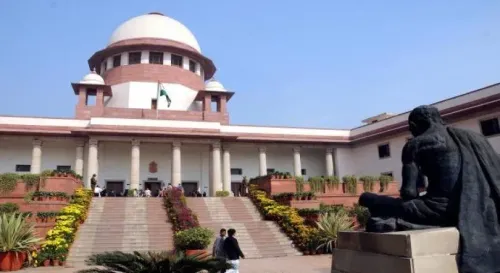
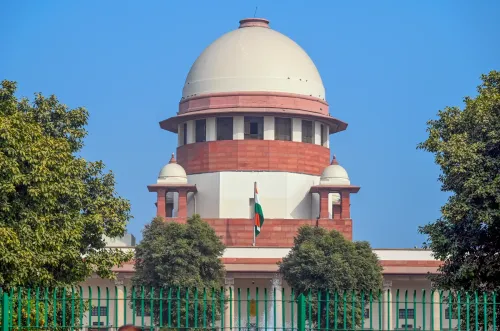
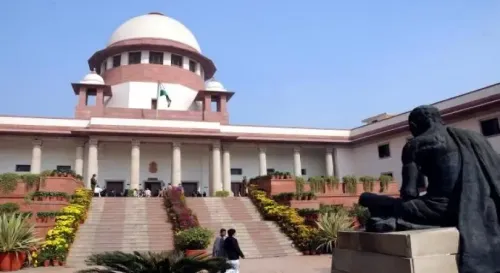
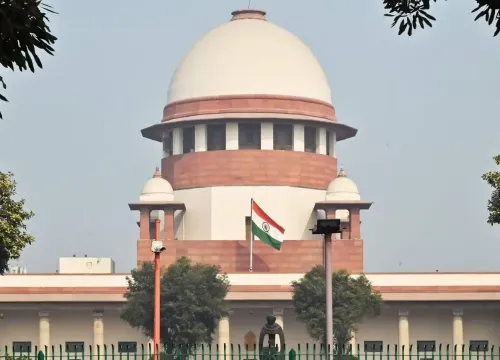
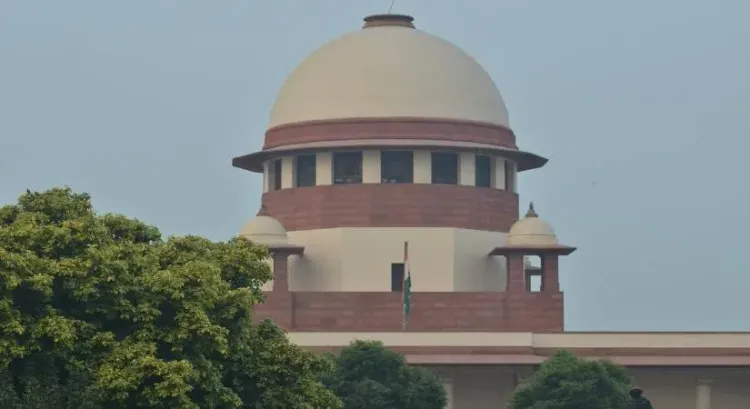
The Supreme Court on Friday, 5 June declined to entertain a public interest litigation (PIL) seeking directions to fill vacant posts in the Uttar Pradesh Human Rights Commission and frame a standard operating procedure (SOP) for timely appointments in human rights bodies nationwide. A bench of Justices Vikram Nath and V. Mahadevan questioned the petition's maintainability under Article 32 of the Constitution and directed the petitioner to approach the Allahabad High Court instead.
What the Bench Said
As the petitioner's counsel argued that the Uttar Pradesh Human Rights Commission had been functioning without a Chairperson for nearly two years and had only two members, Justice Vikram Nath asked pointedly: 'Why don't you go to the High Court? High Courts have been monitoring all this. Why should you come under Article 32?'
When the counsel attempted to present a chart detailing vacancies across various state human rights commissions, the bench declined to examine it and signalled its unwillingness to proceed with the petition. The petitioner subsequently withdrew the plea with liberty to approach the Allahabad High Court, and the apex court dismissed the matter as withdrawn.
What the PIL Sought
Filed through advocate Aviral Saxena, the PIL contended that the post of Chairperson of the Uttar Pradesh State Human Rights Commission had remained vacant since 4 June 2024 — adversely affecting the functioning of the statutory body constituted under the Protection of Human Rights Act, 1993. The petition argued that prolonged vacancies had rendered the commission functionally impaired, undermining its ability to inquire into human rights violation allegations and provide institutional redress.
The plea also sought a uniform SOP requiring the Centre and states to initiate the selection process at least six months before a vacancy arises, to prevent posts from remaining unfilled for extended periods.
Broader Vacancies Across States
The petition flagged that several other states — including Arunachal Pradesh, Karnataka, Tamil Nadu, Sikkim, Manipur, Meghalaya, and Uttarakhand — were also not operating their human rights commissions at full strength due to vacancies. The petitioner noted that a related matter concerning vacancies in the National Human Rights Commission (NHRC) was already pending before the Supreme Court.
Legal Basis and Context
Relying on the Supreme Court's landmark ruling in D.K. Basu v. State of West Bengal and subsequent NHRC-related proceedings, the plea argued that constituting and maintaining effective state human rights commissions is a statutory obligation — not a matter of executive discretion. Critics of prolonged vacancies argue that delays in appointments systematically erode the institutional framework designed to protect fundamental rights.
This comes amid a broader pattern of understaffed human rights bodies across India, raising questions about state governments' commitment to timely appointments. With the matter now redirected to the Allahabad High Court, the onus shifts to the petitioner to pursue relief at the High Court level — where, as the Supreme Court noted, such monitoring has already been underway.
Point of View
And no enforcement mechanism currently compels timely appointments. The UP Commission has been Chairperson-less for over a year; similar gaps exist in at least seven other states. Redirecting the petitioner to Lucknow may be legally correct, but it does nothing to answer why the Protection of Human Rights Act's appointment obligations are treated as discretionary across so many state capitals.
NationPress
22 Sept 2026
Frequently Asked Questions
Why did the Supreme Court refuse to hear the PIL on UP Human Rights Commission vacancies?
The Supreme Court questioned the petition's maintainability under Article 32 of the Constitution, noting that High Courts have been monitoring such matters and are the appropriate forum. The bench of Justices Vikram Nath and V. Mahadevan directed the petitioner to approach the Allahabad High Court instead.
How long has the UP Human Rights Commission Chairperson post been vacant?
The Chairperson post of the Uttar Pradesh Human Rights Commission has been vacant since 4 June 2024 — nearly two years. The commission currently functions with only two members, according to the PIL.
What did the PIL ask the Supreme Court to do?
The PIL sought directions to fill the vacant Chairperson and member posts in the UP Human Rights Commission at the earliest. It also prayed for a uniform SOP requiring the Centre and states to begin the selection process at least six months before any vacancy arises in human rights bodies.
Which other states were flagged for human rights commission vacancies?
The petition cited Arunachal Pradesh, Karnataka, Tamil Nadu, Sikkim, Manipur, Meghalaya, and Uttarakhand as states not operating their human rights commissions at full strength due to unfilled vacancies.
What happens next after the Supreme Court dismissed the PIL?
The petitioner withdrew the PIL with liberty to approach the Allahabad High Court, which the Supreme Court indicated has already been monitoring related issues. The matter now proceeds, if at all, at the High Court level.