SC stays Madras HC order barring TVK MLA from Tamil Nadu floor test
Synopsis
The Supreme Court stepped in sharply, calling the Madras High Court's order restraining a TVK MLA from the Tamil Nadu floor test 'atrocious' — and staying it on the same day Chief Minister Vijay won his confidence motion with 144 votes. The case raises a fundamental constitutional question: can a writ petition substitute an election petition?
Key Takeaways
Supreme Court stayed the Madras High Court order on 13 May 2025 restraining TVK MLA R.
Seenivasa Sethupathi from participating in floor test proceedings.
The apex court termed the High Court's order "atrocious" , questioning how a writ petition under Article 226 could be entertained in an election dispute.
Sethupathi won the Tiruppattur seat by just one vote — 83,365 votes against DMK leader K.R.
Periakaruppan's 83,364 .
Joseph Vijay won the confidence motion on the same day with 144 votes in favour, 22 against, and 5 abstentions.
The DMK walked out of the House during the floor test, while rebel AIADMK legislators backed the TVK government.
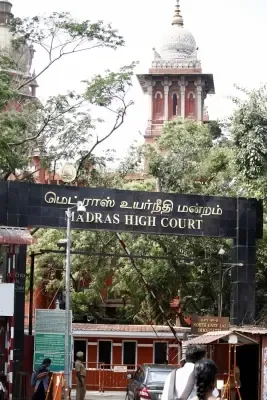
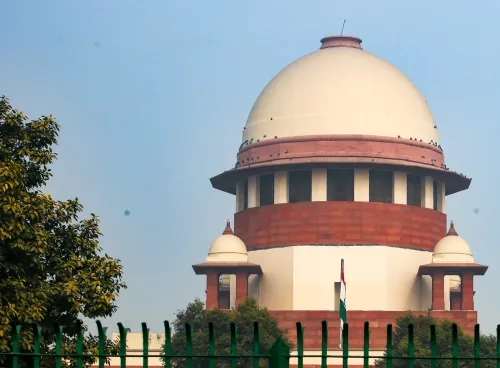
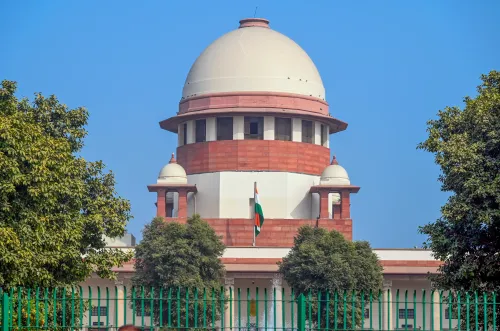
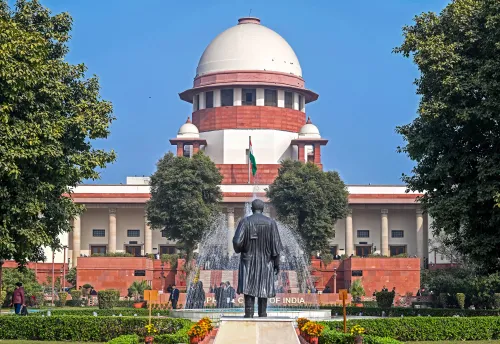
The Supreme Court on Wednesday, 13 May 2025, stayed the Madras High Court's interim order that had restrained Tamilaga Vettri Kazhagam (TVK) MLA R. Seenivasa Sethupathi from participating in any floor test proceedings in the Tamil Nadu Legislative Assembly. The stay comes amid a dispute over Sethupathi's razor-thin one-vote victory from the Tiruppattur Assembly constituency in Sivaganga district.
Supreme Court's Intervention
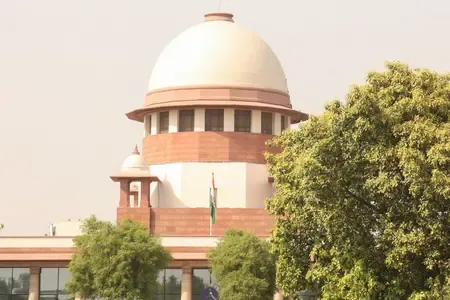
A Bench comprising Justices Vikram Nath, Sandeep Mehta, and Vijay Bishnoi passed the interim stay while hearing a Special Leave Petition (SLP) filed by Sethupathi challenging the Madras High Court's direction. The apex court termed the High Court's order as
Point of View
But of a growing tendency to use writ jurisdiction to bypass the structured electoral dispute mechanism under the Representation of the People Act, 1951. Allowing writ petitions to restrain elected representatives mid-session sets a dangerous precedent: any slim-margin election could trigger an injunction that effectively nullifies a democratic mandate before an election court even examines it. The ECI itself opposed the writ's maintainability, which makes the High Court's decision to entertain it all the more striking. The broader question — whether administrative postal ballot failures can constitute grounds for restraining an MLA's legislative participation — remains unresolved and will likely shape electoral jurisprudence.
NationPress
1 Oct 2026
Frequently Asked Questions
Why did the Supreme Court stay the Madras High Court order against TVK MLA Sethupathi?
The Supreme Court stayed the order because it found it legally untenable for the Madras High Court to entertain a writ petition under Article 226 in an election dispute, when the law mandates that such disputes be resolved through an election petition under the Representation of the People Act, 1951. The Bench termed the High Court's conduct 'atrocious'.
What was the dispute over Sethupathi's Tiruppattur election victory?
Sethupathi won the Tiruppattur Assembly seat by a single vote — 83,365 against DMK leader K.R. Periakaruppan's 83,364. Periakaruppan alleged that a postal ballot meant for Tiruppattur constituency No. 185 in Sivaganga district was mistakenly sent to Tiruppattur constituency No. 50 in Tiruppattur district near Vellore and wrongly rejected there.
What did the Madras High Court originally order?
A vacation Bench of Justices L. Victoria Gowri and N. Senthilkumar restrained Sethupathi from voting or participating in any floor test, confidence motion, no-confidence motion, or trust vote in the Tamil Nadu Assembly until further orders, while hearing a writ petition filed by Periakaruppan.
How did the Tamil Nadu floor test conclude on 13 May 2025?
Chief Minister C. Joseph Vijay won the confidence motion with 144 votes in favour, 22 against, and 5 abstentions. The DMK walked out of the House, while rebel AIADMK legislators led by S.P. Velumani backed the TVK government despite AIADMK general secretary Edappadi K. Palaniswami directing all 47 of his faction's MLAs to oppose the motion.
What happens next in the Sethupathi election dispute?
The Supreme Court has granted the respondent two weeks to file a reply to Sethupathi's SLP. Proceedings before the Madras High Court have also been stayed in the meantime. The fundamental legal question of whether a writ petition can substitute an election petition in such disputes is expected to be examined further by the apex court.