SC upholds Madras HC protection for DMK MLA E.V. Velu in ₹3.23 crore fraud case

Synopsis
The Supreme Court declined to unsettle interim protection granted by the Madras High Court to DMK MLA and former Tamil Nadu Highways Minister E.V. Velu, who faces a ₹3.23 crore highway fraud allegation. The ruling leaves Velu shielded from coercive action until at least 28 July — even as the Tamil Nadu government, which runs the DVAC, finds itself on the losing side of its own SLP.
Key Takeaways
The Supreme Court on 15 July dismissed the Tamil Nadu government's SLP challenging the Madras High Court's interim protection for E.V.
The LOC against Velu remains stayed and coercive action is barred until at least 28 July .
The DVAC case alleges ₹3.23 crore in public funds were fraudulently claimed for a road project in Karur district that was allegedly never built.
The FIR, registered on 24 June 2026 , invokes IPC sections including 120B, 420, 409, 468 , and 471 , along with the Prevention of Corruption Act .
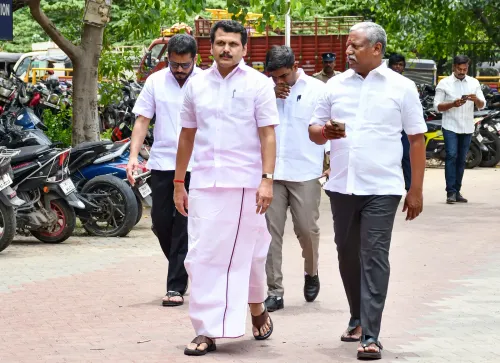
Velu appeared before the DVAC for questioning on Wednesday as directed by the High Court.
Senior advocate Abhishek Manu Singhvi , for the state, argued the High Court had effectively granted anticipatory bail through a quashing petition — a contention the Supreme Court did not accept.
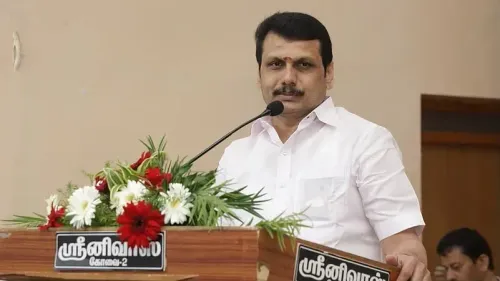
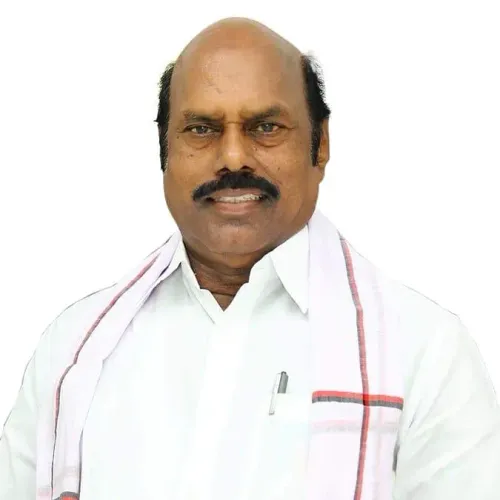
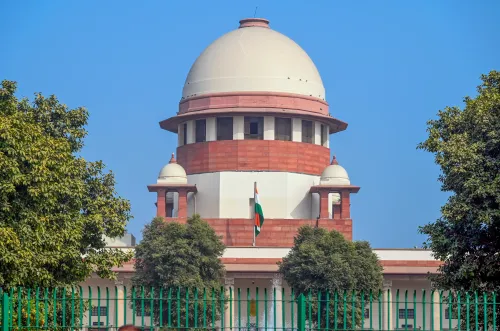
The Supreme Court on Wednesday, 15 July declined to interfere with the Madras High Court's interim order that stayed the Look Out Circular (LOC) issued against former Tamil Nadu Highways Minister and Dravida Munnetra Kazhagam (DMK) MLA E.V. Velu, shielding him from coercive action in a Directorate of Vigilance and Anti-Corruption (DVAC) case involving an alleged ₹3.23 crore highway fraud. A bench of Justices Vikram Nath and Sandeep Mehta dismissed the Special Leave Petition (SLP) filed by the Tamil Nadu government seeking to overturn the High Court's protection order.
What the Supreme Court Decided
The bench led by Justice Vikram Nath refused to disturb the interim relief granted by the Madras High Court, effectively allowing the LOC stay and the bar on coercive action to remain in force. The Tamil Nadu government's SLP was dismissed without modification of the High Court's conditions.
Appearing for the state, senior advocate Abhishek Manu Singhvi argued that the High Court had, in substance, granted anticipatory bail through a quashing petition — a proceeding in which no such relief had been formally sought. 'The order was passed in a quashing petition which has no prayer regarding anticipatory bail. Secondly, a blanket embargo in a quashing petition should not be given,' Singhvi submitted. The Supreme Court, however, was not persuaded.
Background: The DVAC Case and the LOC
The DVAC registered Crime No. 3 of 2026 on 24 June, invoking offences under Sections 120B (criminal conspiracy), 420 (cheating), 409 (criminal breach of trust by a public servant), 468 (forgery for the purpose of cheating), and 471 (using as genuine a forged document), read with Section 109 (abetment) of the Indian Penal Code, along with provisions of the Prevention of Corruption Act.
The case centres on allegations that public funds amounting to ₹3.23 crore were fraudulently claimed for a road construction project in Karur district that was allegedly never executed during Velu's tenure as Highways Minister.
Velu's Defence and the High Court's Conditions
Before the Madras High Court, senior advocate P. Wilson, appearing for Velu, submitted that the former minister was undergoing medical treatment in Singapore and had informed the investigating agency of his intent to appear for enquiry on 15 July after completing treatment. He argued that the LOC was issued mechanically, without adherence to applicable guidelines, despite this prior communication, and that Velu feared arrest upon returning to India.
The Tamil Nadu government countered that repeated notices had been served on Velu, all of which he failed to respond to before travelling to Singapore, leaving authorities with no option but to issue the LOC.
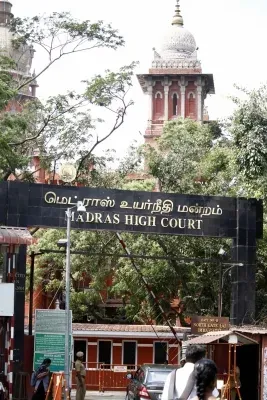
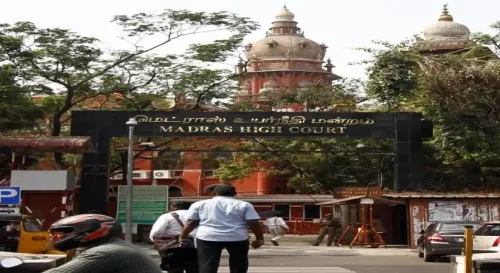
The Madras High Court stayed the LOC until 28 July on the condition that Velu appear before the Investigating Officer on 15 July, and directed the DVAC not to take any coercive steps until the next hearing date. Notably, following the court's direction, Velu appeared before the DVAC on Wednesday for questioning.
Legal Significance and What Comes Next
The Supreme Court's refusal to interfere preserves the Madras High Court's interim protection, at least until 28 July, when the matter is next listed. Critics argue that granting such wide-ranging relief within a quashing petition — rather than through a formal anticipatory bail application — sets a procedurally unusual precedent. The High Court's observation that 'the matter required consideration' signals that a substantive hearing on the merits of the quashing petition is still pending.
The case will be closely watched given its political dimensions: Velu is a sitting DMK legislator and former cabinet minister, and the DVAC functions under the Tamil Nadu government — the same government that filed the SLP against his protection.
Point of View
Which the DMK leads, is using state machinery (the DVAC) to prosecute its own MLA, then losing at the Supreme Court on a procedural challenge it chose to mount. Whether the quashing petition itself survives scrutiny at the Madras High Court will be the real test — and the 28 July hearing will reveal whether the interim shield becomes a longer-term reprieve.
NationPress
13 Oct 2026
Frequently Asked Questions
Why did the Supreme Court refuse to interfere in the E.V. Velu case?
The Supreme Court declined to disturb the Madras High Court's interim order, which had stayed the Look Out Circular against E.V. Velu and barred coercive action. The bench led by Justice Vikram Nath dismissed the Tamil Nadu government's Special Leave Petition without providing detailed reasons, allowing the High Court's conditions to remain operative until 28 July.
What is the DVAC case against E.V. Velu about?
The DVAC has alleged that public funds of ₹3.23 crore were fraudulently claimed for a road construction project in Karur district that was allegedly never executed during Velu's tenure as Tamil Nadu Highways Minister. The FIR, registered on 24 June 2026, invokes charges of criminal conspiracy, cheating, criminal breach of trust, forgery, and offences under the Prevention of Corruption Act.
What protection does E.V. Velu currently have?
The Madras High Court has stayed the Look Out Circular against Velu and directed the DVAC not to take any coercive steps until 28 July 2026. This protection was granted on the condition that Velu appear before the Investigating Officer on 15 July, which he did.
Why did the Tamil Nadu government challenge the Madras High Court order?
The state argued that the High Court had effectively granted anticipatory bail through a quashing petition — a proceeding where no such relief was formally sought — and that a blanket bar on coercive action was procedurally improper in that context. Senior advocate Abhishek Manu Singhvi made this submission before the Supreme Court, which was not persuaded.
What happens next in the E.V. Velu case?
The Madras High Court is scheduled to hear the matter on 28 July 2026, when it will decide whether to continue, modify, or vacate the interim protection. The substantive quashing petition filed by Velu against the LOC and the DVAC proceedings remains pending before the High Court.