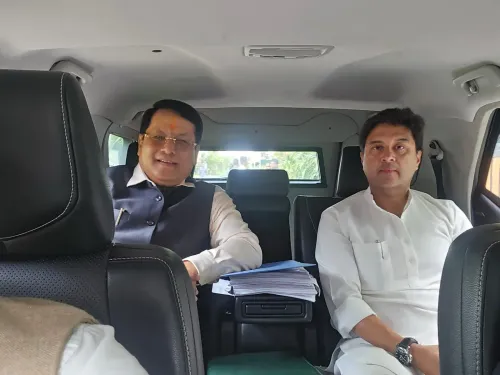
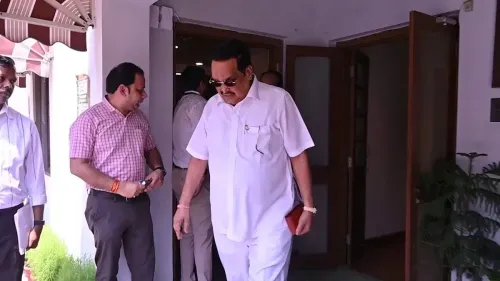
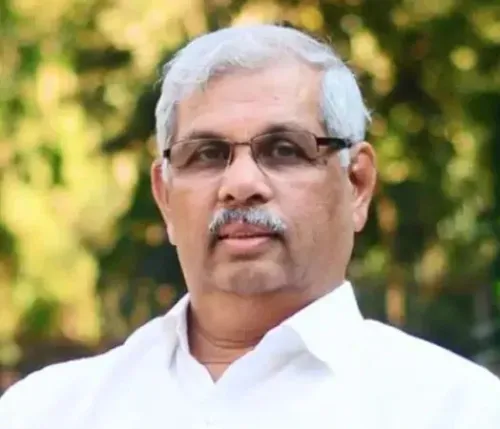
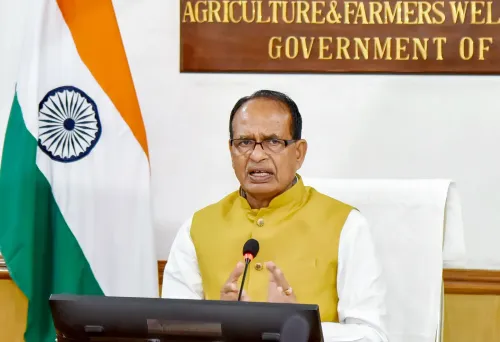
Scindia, Ram Mohan Naidu carpool to Cabinet meet in fuel conservation push
Synopsis
Two Union ministers shared a single vehicle to a Cabinet meeting in New Delhi — a small act with a pointed message. In a country that imports billions of dollars in crude oil annually, Scindia and Naidu's carpool is a visible endorsement of PM Modi's fuel conservation drive, aimed at nudging public behaviour from the top down.
Key Takeaways
Jyotiraditya Scindia and Ram Mohan Naidu carpooled to a Cabinet meeting in New Delhi on 10 June .
The gesture was framed as support for PM Modi 's appeals for responsible fuel usage and energy conservation.
India is among the world's largest crude oil importers, making fuel conservation a macroeconomic as well as environmental priority.
The move is intended to inspire citizens, officials, and public representatives to adopt carpooling and similar practices.
The initiative aligns with the Centre's broader push on energy efficiency, reduced emissions , and a greener India.
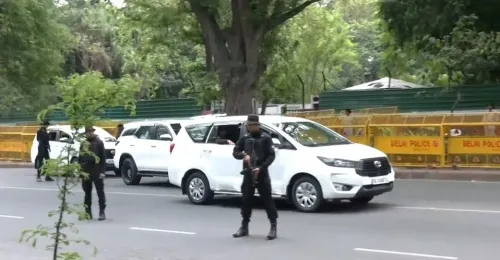
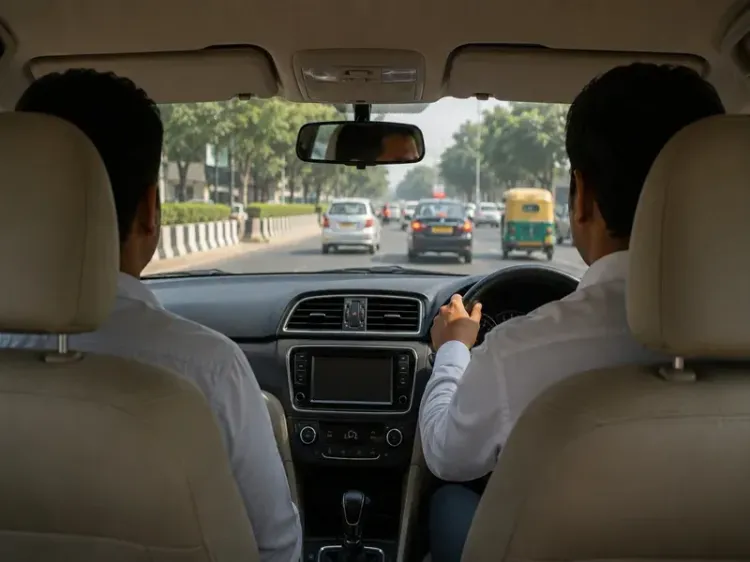
Union Minister for Communications Jyotiraditya Scindia and Union Minister for Civil Aviation Ram Mohan Naidu arrived together in a single vehicle for a Cabinet meeting in New Delhi on Tuesday, 10 June, in a deliberate gesture promoting fuel conservation. The two senior ministers chose to carpool through the streets of the national capital, visibly aligning themselves with Prime Minister Narendra Modi's repeated calls for responsible use of petrol and diesel.
The Gesture and Its Significance
The decision to share a ride to one of the most consequential weekly meetings in the country's governance calendar was widely noted as more than a logistical convenience. By choosing carpooling over separate official vehicles, Scindia and Naidu signalled that fuel conservation is a practice applicable at every level — including the highest rungs of the executive. Such symbolic acts by senior public figures are considered effective in shaping public behaviour, particularly in a country with a vast and fast-growing urban population.
PM Modi's Conservation Push
Prime Minister Modi has consistently urged citizens to treat fuel savings as a collective national responsibility, framing it as directly linked to India's energy security and environmental health. His administration has promoted a range of initiatives targeting energy efficiency, reduced dependence on fossil fuel imports, and lower vehicular emissions. The ministers' carpool fits squarely within that broader policy narrative.
Why It Matters Beyond Symbolism
India remains one of the world's largest importers of crude oil, making fuel conservation a genuine macroeconomic concern alongside its environmental dimension. Vehicular emissions are a leading contributor to air pollution in major Indian cities, and traffic congestion imposes measurable productivity costs. Advocates of carpooling and shared mobility argue that normalising such practices among public figures can accelerate adoption among government officials and the wider public alike. This comes amid a period when the Centre is actively pushing sustainability goals across sectors, from electric vehicles to renewable energy targets.
The Broader Context
The initiative is not an isolated act — it reflects a pattern of symbolic conservation messaging from the ruling dispensation. Senior leaders modelling resource-prudent behaviour at the apex of governance is seen as a tool to encourage mass participation in conservation efforts. Whether such gestures translate into measurable behavioural shifts at scale remains a question, but their communicative value in a media-saturated environment is well established. The government is expected to continue reinforcing these messages as part of its broader green India and energy self-reliance agenda.
Point of View
But their shelf life is short without institutional follow-through. India's crude import bill runs into hundreds of billions of dollars annually, and carpooling by two ministers — however well-intentioned — does not move that needle. The more substantive question is whether the government will back this messaging with policy: mandatory ride-sharing for official vehicles, a reduction in the government's own fleet size, or accelerated EV adoption for ministerial transport. Without structural action, conservation symbolism risks becoming a recurring photo opportunity rather than a driver of the 'mass movement' the government says it wants.
NationPress
26 Oct 2026
Frequently Asked Questions
Why did Scindia and Ram Mohan Naidu carpool to the Cabinet meeting?
The two ministers shared a vehicle to the Cabinet meeting on 10 June in New Delhi as a deliberate gesture promoting fuel conservation, in line with PM Modi's repeated appeals to citizens to reduce petrol and diesel usage.
What is PM Modi's stance on fuel conservation?
PM Modi has consistently called fuel savings a collective national responsibility, linking it to India's energy security and environmental health. His government has promoted multiple initiatives targeting energy efficiency and reduced fossil fuel dependence.
How does carpooling by ministers help India's energy goals?
India is one of the world's largest crude oil importers, so reducing vehicular fuel consumption has direct macroeconomic and environmental benefits. Senior leaders modelling such behaviour is intended to encourage wider adoption among officials and the public.
Is this a one-time gesture or part of a larger initiative?
According to government messaging, the carpool is intended as a symbolic step to inspire a broader culture of fuel conservation among citizens, government officials, and public representatives — not a standalone event.
What other conservation initiatives is the government promoting?
The Centre is actively pushing energy efficiency programmes, electric vehicle adoption, renewable energy targets, and sustainability measures across sectors as part of PM Modi's vision for a self-reliant and greener India.