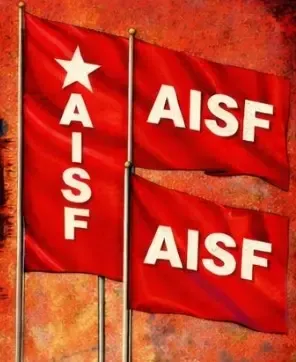
Left Front and AISF Unable to Finalize Seat-Sharing for Bengal Assembly Elections

Synopsis
In a significant development for the West Bengal Assembly elections, the Left Front and AISF have yet to agree on a seat-sharing plan despite previous discussions. As political tensions rise, the stakes for both parties are higher than ever.
Key Takeaways
Negotiations between Left Front and AISF remain unresolved.
AISF is pushing for 45 seats , while the Left Front has offered 30 seats .
The All India Forward Bloc is complicating the negotiations by demanding more seats.
Congress has withdrawn from the seat-sharing talks, affecting the Left Front's position.
Future meetings are expected to clarify the situation.
Kolkata, February 24 (NationPress) The negotiations for a seat-sharing agreement between the Left Front in West Bengal and the All India Secular Front (AISF) for the forthcoming Assembly elections, scheduled later this year, have not reached a consensus, despite a pivotal agreement between AISF and CPI-M that took place here on Tuesday.
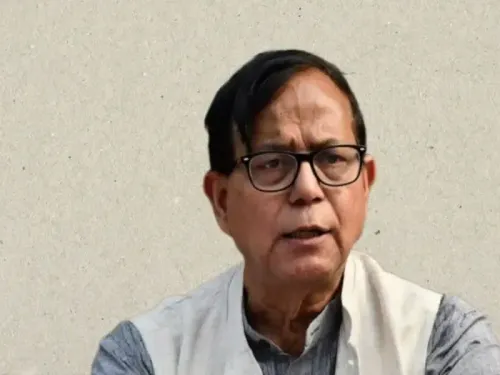
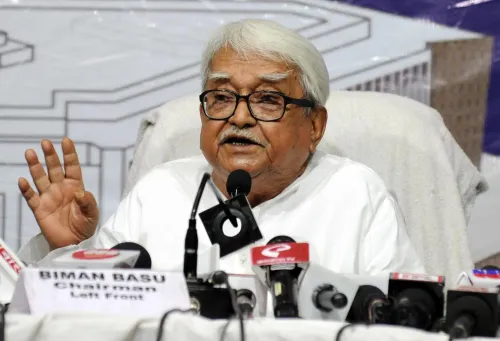
During the meeting, which included the sole AISF MLA in the West Bengal Assembly, Nawsad Siddique, along with Biman Bose, the Left Front Chairman, and Mohammed Salim, a member of the CPI-M Politburo and Secretary of the party's West Bengal unit, discussions faltered over AISF's request for 45 seats compared to the Left Front's counter-offer of 30 seats.
Siddique expressed optimism for future discussions, stating, "Another round of meetings is scheduled for Wednesday on this issue. We remain hopeful that a fair seat-sharing agreement will be finalized soon."
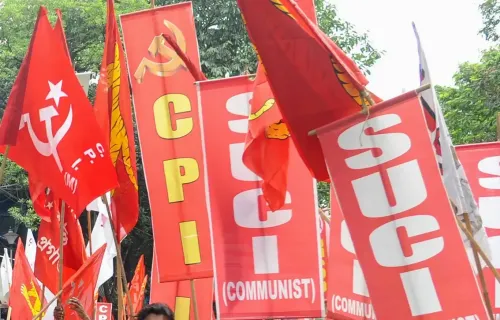
Meanwhile, a member of the CPI-M Central Committee indicated that the primary obstacle to an effective agreement with AISF lies within the Left Front itself, particularly due to the All India Forward Bloc, which is seeking a larger portion of the Assembly seats. This situation has been exacerbated by the Congress party's withdrawal from any seat-sharing arrangements with the Left Front.
"If both AISF and Forward Bloc's requests are honored, CPI-M would have to contest the upcoming state elections with significantly fewer seats, especially after accommodating the demands of two other Left Front allies: CPI and Revolutionary Socialist Party. However, there is a limit to how much CPI-M can concede regarding its own seat allocations," the Central Committee member remarked.
On the other hand, AISF argues that Congress's decision to exit any seat-sharing negotiations should make it easier for the Left Front to accommodate AISF's demand for at least 40 seats.
"If Congress were part of the seat-sharing negotiations this time, their seat demand would have been significantly higher," noted an AISF leader.
Point of View
The ongoing negotiations between the Left Front and AISF highlight the complexities of political alliances in West Bengal. With multiple stakeholders and varying demands at play, achieving a consensus is vital for any successful electoral campaign. The situation remains fluid and warrants close attention.
NationPress
19 Sept 2026
Frequently Asked Questions
What is the current status of the seat-sharing agreement between Left Front and AISF?
As of now, the Left Front and AISF have not reached a consensus on the seat-sharing agreement for the upcoming Assembly elections, despite ongoing negotiations.
How many seats is AISF requesting in the negotiations?
AISF is demanding 45 seats in the seat-sharing negotiations, while the Left Front has proposed limiting their share to 30 seats.
What challenges are affecting the seat-sharing discussions?
The primary challenge stems from the All India Forward Bloc, which is seeking a larger share of the Assembly seats, complicating the negotiations.
Why did Congress back out of the seat-sharing arrangement?
Congress has decided to withdraw from any seat-sharing agreement with the Left Front, which has affected the dynamics of the negotiations.
When will the next meeting to discuss the seat-sharing take place?
Another round of meetings is scheduled for Wednesday to further discuss the seat-sharing arrangement.