Yogi Adityanath's 'land jihad' remark sparks row; seers back CM, Akhilesh hits back
Synopsis
Yogi Adityanath's invocation of 'land jihad' at a religious gathering — drawing a line from Ramayana-era demons to present-day land encroachment — has ignited a fresh political battle in Uttar Pradesh. With Hindu seers backing the CM and Akhilesh Yadav reclaiming the Sanatan narrative for the opposition, both sides are now fighting over who owns India's religious identity.
Key Takeaways
UP CM Yogi Adityanath used the term 'land jihad' at the Shri Ram Katha Mahotsav , drawing a parallel with mythological figures from the Ramayana.
He also said India cannot be a 'dharmshala' for those without loyalty to the country or respect for its traditions.
Mahant Sitaram Das Maharaj and Swami Jitendranand Saraswati publicly defended the CM's remarks.
UP minister Sanjay Nishad backed Adityanath, saying people from outside India cannot stay permanently.
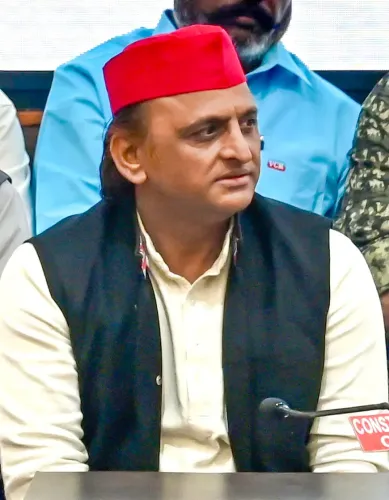
SP chief Akhilesh Yadav called the remarks inappropriate, asserting Sanatan Dharma promotes brotherhood and challenging Adityanath's record in Gorakhpur .
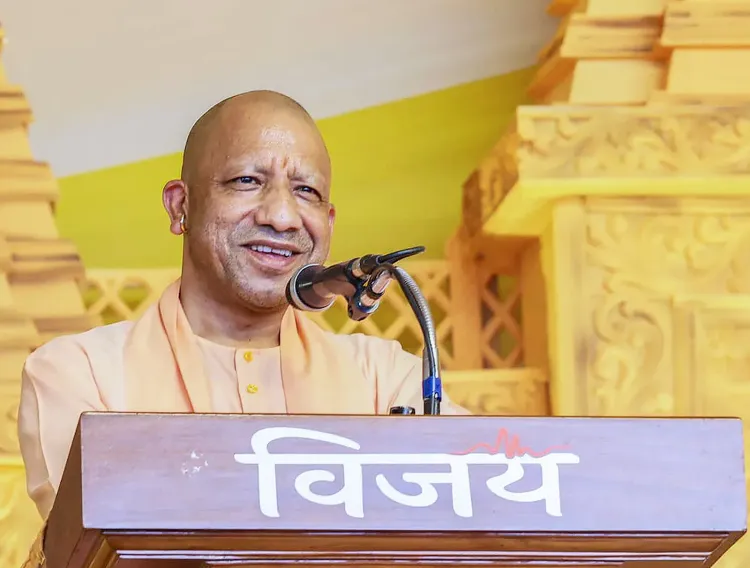
Uttar Pradesh Chief Minister Yogi Adityanath's remarks on 'land jihad' and 'dharmshala', made at a religious event on Tuesday, triggered a sharp political row, with Hindu seers rallying behind the CM while Samajwadi Party (SP) chief Akhilesh Yadav sharply criticised the statements, asserting that Sanatan Dharma stands for brotherhood, not division.
What Adityanath Said
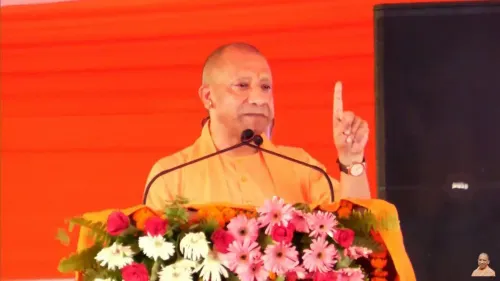
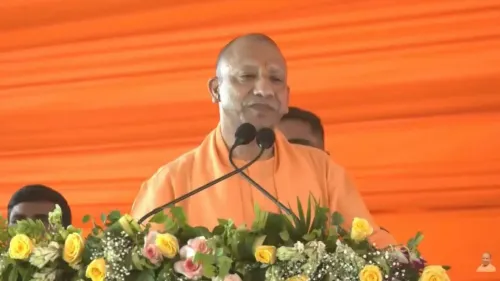
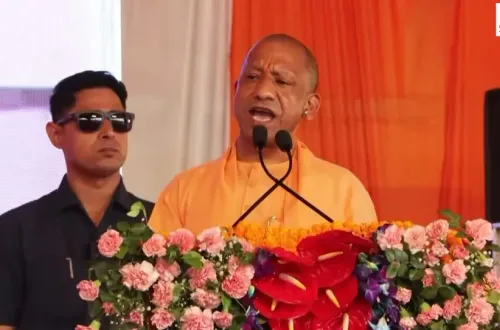
Addressing the Shri Ram Katha Mahotsav, Adityanath drew a parallel between mythological figures and what he described as contemporary land encroachment. '...After all, what were Khar-Dushan doing, what were Maricha and Subahu doing, they too were involved in land jihad. Forcibly occupying. Forcibly spotting any empty land and pitching their own tent on it. All of this must stop,' he said.
The Chief Minister also declared that India could not serve as a 'dharmshala' — a free shelter — for those who, in his words, lack loyalty toward the country or respect for its traditions. The remarks drew immediate attention given their delivery at a religious gathering, amplifying their political resonance.
Religious Leaders Defend the CM
Mahant Sitaram Das Maharaj of Ayodhya's Saket Bhavan temple backed Adityanath's position. 'It is true, India is not a dharmshala,' he said, adding that those who do not value India's culture and traditions have no right to reside in the country and that 'the politics of appeasement will not be tolerated.'
Swami Jitendranand Saraswati, National General Secretary of Akhil Bharatiya Sant Samiti, also endorsed the CM's remarks, drawing a parallel between the challenges faced during Lord Ram's era and present-day circumstances.
Uttar Pradesh minister Sanjay Nishad echoed the sentiment, stating that while every Indian citizen has the right to reside in the country, people arriving from outside cannot do so permanently. He praised Adityanath's efforts to preserve 'India's culture, traditions, and social values.'
Akhilesh Yadav's Pushback
SP chief Akhilesh Yadav dismissed the remarks as inappropriate, particularly given their setting at a religious event. 'He does not seem to have any affection for love, but rather for land. If you check in Gorakhpur, you will find in whose names the maximum registrations have taken place. He should not be making such statements, especially in religious programmes,' Yadav said.
Yadav invoked the principles of Sanatan Dharma to counter the CM's framing. 'It promotes brotherhood among people. Friendship is the biggest thing in Sanatan, that is why I said we need to become Bandhu Rashtra (friendly state),' he told reporters. He further alleged that the head of the Uttar Pradesh government 'does not adopt the path of truth.'
Political Context
The episode is the latest in a series of ideologically charged statements from the Adityanath administration ahead of assembly cycles in Uttar Pradesh. The invocation of mythological references to frame contemporary land and demographic concerns has become a recurring rhetorical device in Bharatiya Janata Party (BJP) political communication. Critics argue such language sharpens communal polarisation, while supporters contend it reflects legitimate cultural and sovereignty concerns. With the SP positioning itself as a defender of pluralist Sanatan values, the exchange signals how both sides intend to contest the religious narrative space going forward.
Point of View
Reclaiming Sanatan Dharma as a philosophy of brotherhood, is tactically shrewd but risks being drowned out by the louder headline. What mainstream coverage underweights is the Gorakhpur land-registration jibe: Yadav is not just pushing back on rhetoric, he is making a verifiable factual challenge that invites scrutiny of the CM's own backyard. Whether that charge gains traction will matter more than the theological debate.
NationPress
26 Sept 2026
Frequently Asked Questions
What did Yogi Adityanath say about 'land jihad'?
Adityanath, speaking at the Shri Ram Katha Mahotsav, compared mythological figures Khar-Dushan, Maricha, and Subahu to those he accused of forcibly occupying land today, calling it 'land jihad.' He also said India cannot be a 'dharmshala' for those who lack loyalty to the country.
How did Hindu religious leaders respond to Adityanath's remarks?
Mahant Sitaram Das Maharaj of Ayodhya's Saket Bhavan temple and Swami Jitendranand Saraswati of Akhil Bharatiya Sant Samiti both defended the CM's statements. Saraswati drew a parallel between the challenges of Lord Ram's era and present-day circumstances.
What was Akhilesh Yadav's response to Yogi Adityanath?
SP chief Akhilesh Yadav called the remarks inappropriate, particularly for a religious setting, and argued that Sanatan Dharma promotes brotherhood. He also challenged Adityanath to examine land registrations in Gorakhpur, implying the CM's own constituency warranted scrutiny.
What did UP minister Sanjay Nishad say?
Sanjay Nishad backed Adityanath, stating that while Indian citizens have the right to reside in the country, people arriving from outside cannot stay permanently. He praised the CM's efforts to preserve India's culture and national identity.
Why has the 'land jihad' remark become politically significant?
The remark was made at a high-profile religious event, giving it wide amplification, and it connects to a broader BJP rhetorical pattern of framing demographic and land concerns in religious terms. Critics argue it deepens communal polarisation, while supporters say it addresses legitimate sovereignty concerns — making it a flashpoint in the UP political contest between the BJP and the SP.