Shiv Sena UBT slams BRICS Summit all-veg menu as food imposition
Synopsis
Shiv Sena UBT has turned the 18th BRICS Summit's all-vegetarian gala dinner into a full-throated political attack, with its Saamana mouthpiece accusing the Modi government of making India a 'laughing stock on the global stage' by serving Khandvi and Phirni to world leaders who eat non-vegetarian food. The row taps into a broader and deeply charged debate about dietary freedom, cultural imposition, and India's image as a diplomatic host.
Key Takeaways
Shiv Sena (UBT) criticised the Centre on 17 September 2026 over the all-vegetarian menu at the 18th BRICS Summit gala dinner.
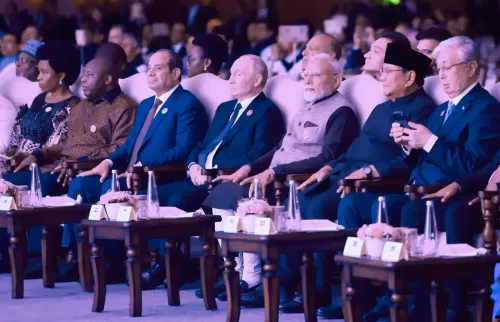
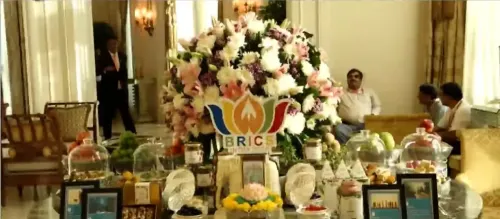
The dinner was held at Bharat Mandapam, New Delhi on 12 September for leaders of the 11-member BRICS grouping .
The party's mouthpiece Saamana called it an imposition on delegates, noting 'eighty per cent of the world's population eats non-vegetarian food.' The editorial cited historical examples — Gandhi at Sevagram Ashram and Morarji Desai's Russia visit — to argue that personal dietary preferences should never be forced on others.
The party also alleged a broader effort to alter India's food culture, referencing removal of eggs from school mid-day meals and housing discrimination against non-vegetarians in Mumbai .
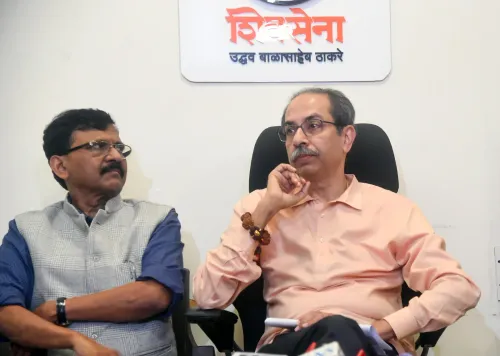
Shiv Sena (Uddhav Balasaheb Thackeray) on Thursday, 17 September 2026, launched a sharp attack on the Centre over the exclusively vegetarian menu served to world leaders at the 18th BRICS Summit in New Delhi, calling it an unacceptable imposition of dietary preferences on international guests. The criticism came through an editorial in the party's mouthpiece, Saamana, targeting the gala dinner hosted at Bharat Mandapam on 12 September.
What the Editorial Said
The Saamana editorial argued that food choices — whether vegetarian or non-vegetarian — are a matter of personal freedom, and that neither governments nor political organisations have the right to dictate them. The dinner, attended by leaders of the expanded 11-member BRICS grouping, featured dishes including Khandvi, Mushroom Kebabs, Paneer Lababdar, Millet Pulao, Gujarati-style Dhokli Bele Saru (a tomato-dal curry), Jalebi, and Phirni.
The editorial described the spread as forcing guests to 'consume grass and wild greens,' adding: 'Eighty per cent of the world's population, including most of the visiting delegates, eats non-vegetarian food. What did the Modi government achieve by imposing vegetarianism on them? It made India a laughing stock on the global stage.'
Historical Comparisons Invoked
The Uddhav Thackeray-led party backed its argument with historical precedent, noting that Mahatma Gandhi — whose birthplace was cited in defence of the vegetarian menu — never imposed his personal dietary choices on others. The editorial recalled that when Khan Abdul Ghaffar Khan visited Sevagram Ashram in Wardha, a separate kitchen was set up outside the main premises to prepare non-vegetarian meals for his family.
It also cited former Prime Minister Morarji Desai, a strict teetotaller, who reportedly allowed vodka to be poured into his glass during a state visit to Russia and raised it for toasts without drinking — as an example of respecting diplomatic traditions while maintaining personal convictions. By contrast, the editorial noted that during Chinese President Xi Jinping's visit to Mahabalipuram, the menu reportedly included non-vegetarian delicacies prepared by specialised chefs brought in from across the country.
What Was Missing From the Table
The party argued that iconic culinary staples — Karim's non-vegetarian dishes, Tandoori Chicken, Biryani, Butter Chicken, Goan Fish Curry, Kolhapuri Pandhra-Tambda Rassa, and Malvani Fish — would have offered visiting leaders a more authentic and satisfying experience of India's diverse food culture.
The editorial also drew an unflattering comparison with lavish Indian weddings, including the recent wedding of Supriya Sule's daughter Revati, claiming such events offered superior and more varied cuisine than what was served to BRICS leaders.
Broader Cultural and Political Concerns
Beyond the summit dinner, the Saamana editorial alleged a wider campaign by the ruling establishment and its aligned organisations to reshape India's diverse food culture. It referenced the handover of mid-day meal contracts in schools to organisations such as ISKCON, claiming that eggs have been removed from children's diets as a result. The editorial also flagged discrimination against non-vegetarians in housing in cities like Mumbai, calling such practices 'a crime.'
The piece concluded with a pointed political dig: 'Individual dietary preference is a personal choice. While the government indulges in the non-vegetarianism of corruption, it denies people their fish and chicken. PM Modi and his followers may prefer Khichdi, while others prefer Biryani. No party or sect has the right to destroy our rich food culture.' This marks the latest salvo from the Uddhav camp in its sustained opposition to what it characterises as cultural overreach by the ruling Bharatiya Janata Party (BJP)-led Centre.
Point of View
More targeted critique. What mainstream coverage risks missing is the diplomatic dimension: how India stages its cuisine for world leaders is a soft-power statement, and the choice to serve an exclusively vegetarian menu to a grouping that includes representatives from Brazil, Russia, South Africa, and the UAE is, at minimum, a conversation-worthy protocol decision that the government has not publicly addressed.
NationPress
17 Sept 2026
Frequently Asked Questions
What was the controversy over the BRICS Summit dinner menu?
The 18th BRICS Summit gala dinner at Bharat Mandapam on 12 September served an exclusively vegetarian menu — including Khandvi, Paneer Lababdar, and Millet Pulao — to leaders of the 11-member BRICS grouping. Shiv Sena UBT argued this amounted to imposing dietary preferences on world leaders, most of whom eat non-vegetarian food.
What did Shiv Sena UBT say about the vegetarian menu?
The party's mouthpiece Saamana published an editorial calling the menu an imposition on international guests, alleging it made India a 'laughing stock on the global stage.' It argued that dietary choices are a personal freedom and that the government has no right to dictate them at diplomatic events.
How did Shiv Sena UBT use Mahatma Gandhi in its argument?
The editorial rejected claims that the all-vegetarian menu reflected the spirit of Gandhi's birthplace, pointing out that Gandhi himself never imposed his vegetarianism on others. It cited how a separate non-vegetarian kitchen was set up at Sevagram Ashram in Wardha when Khan Abdul Ghaffar Khan's family visited.
What broader issues did the Saamana editorial raise beyond the summit menu?
The editorial alleged a wider campaign to alter India's diverse food culture, referencing the handover of school mid-day meal contracts to organisations like ISKCON — reportedly leading to the removal of eggs from children's diets — and discrimination against non-vegetarians in housing in Mumbai.
How does the BRICS dinner compare to other state visit menus cited in the editorial?
The editorial noted that during Chinese President Xi Jinping's visit to Mahabalipuram, the menu included non-vegetarian delicacies prepared by specialised chefs brought in from across India. It contrasted this with the exclusively vegetarian BRICS dinner, arguing that past diplomatic events have successfully showcased India's full culinary diversity.