CM Fadnavis hails tribal products' Japan Good Design 2026 win
Synopsis
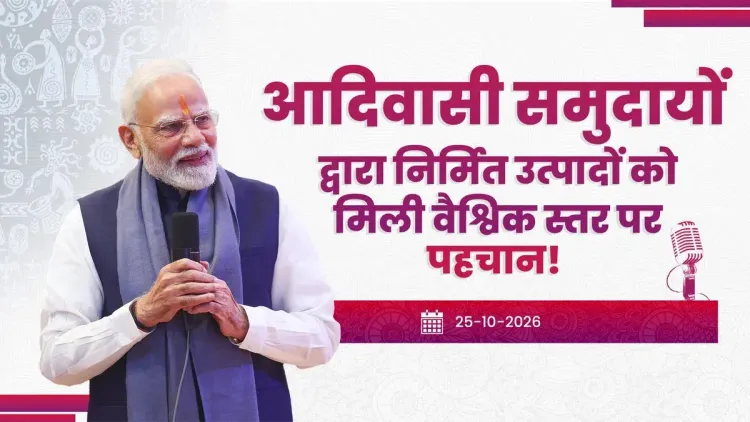
Maharashtra CM Devendra Fadnavis celebrated PM Modi's Mann Ki Baat praise for Shabri Naturals' tribal-craft packaging, which won Japan's Good Design 2026 Award — placing Maharashtra's indigenous forest products on the global design map.
Key Takeaways
Shabri Naturals , a Maharashtra initiative marketing tribal forest produce, won Japan's prestigious Good Design 2026 Award for its packaging.
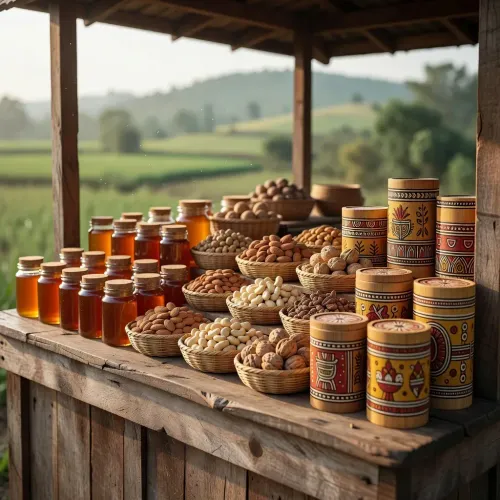
Products recognised include honey, mahua, chironji, and bamboo-based items made by Maharashtra's tribal communities.
Prime Minister Narendra Modi highlighted the achievement on Mann Ki Baat on 25 October 2026 , amplifying it to a national audience.
CM Devendra Fadnavis shared the recognition on X in both Hindi and Marathi, framing it as Maharashtra's identity reaching the global stage.
The initiative connects to the Van Dhan Vikas Yojana (2018) , which supports value addition and marketing of minor forest produce by tribal communities.
Japan's Good Design Award is one of the world's most respected design honours, giving Shabri Naturals significant international export visibility.
A jar of forest honey and a basket woven from bamboo just earned Maharashtra's tribal communities one of Japan's most coveted design honours — and Prime Minister Narendra Modi made sure the whole country heard about it. On Sunday, 25 October 2026, Maharashtra Chief Minister Devendra Fadnavis amplified the Prime Minister's praise on X, celebrating the news that products made by Maharashtra's tribal communities — marketed under the Shabri Naturals brand — have won Japan's prestigious Good Design 2026 Award for their packaging.
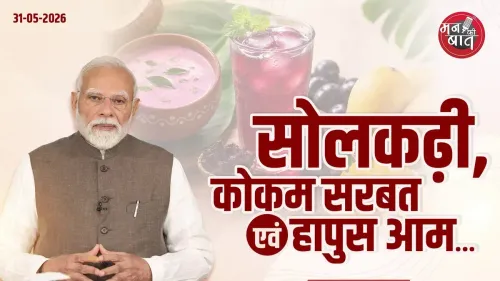
The recognition was spotlighted during today's edition of Mann Ki Baat, the Prime Minister's monthly radio address, where Modi specifically called out the attractive packaging of Shabri Naturals' honey, mahua, chironji, and bamboo-based products crafted by tribal communities across Maharashtra. Fadnavis quoted the moment in both Hindi and Marathi, writing: 'आदिवासी कला की अनूठी छाप, आकर्षक पैकेजिंग और वैश्विक स्तर पर महाराष्ट्र की पहचान!' — 'The unique imprint of tribal art, attractive packaging, and Maharashtra's identity on the global stage!'
What Shabri Naturals brings from the forest to the world
Shabri Naturals is a Maharashtra government initiative designed to bring tribal forest produce — honey harvested from wild hives, mahua flowers gathered from the forest floor, chironji seeds, and bamboo craft — to mainstream and export markets. The brand sits at the intersection of livelihood generation and cultural preservation, giving tribal artisans and forest-produce collectors both a market and a visual identity that represents their heritage.
The packaging that won Japan over does more than wrap a product: it carries tribal art motifs, turning each unit into a miniature canvas of indigenous design. It is precisely this fusion — artisanal integrity meeting contemporary design sensibility — that the Good Design Award jury in Japan has recognised for 2026.
The Good Design Award and what it signals
Japan's Good Design Award is one of the world's most respected annual design honours, evaluated by a panel of professional designers and architects for innovation, aesthetics, function, and social value. Winning it is not a domestic milestone — it is a global calling card. For a product line rooted in Maharashtra's forests and made by tribal hands, the award is a signal that craft-forward, community-driven design can compete on the world stage without abandoning its roots.
Van Dhan Yojana's quiet scaffolding
The policy scaffolding behind this moment stretches back to 2018, when the central government launched the Van Dhan Vikas Yojana — a scheme specifically aimed at adding value to minor forest produce like mahua, honey, and medicinal herbs collected by tribal communities. The programme channelled support toward processing, branding, and marketing, laying the groundwork for initiatives like Shabri Naturals to evolve from raw-produce ventures into internationally award-winning design propositions.
A mention in Mann Ki Baat is more than ceremonial applause. It lifts a local success story onto a national broadcast reaching hundreds of millions of listeners, amplifying both the brand and the communities behind it. Combined with an international design award, the moment creates genuine export and investment visibility for Maharashtra's tribal economy.
The forest gave India mahua and honey. India, it turns out, is starting to give the world a lesson in what great design can look like when it grows from the ground up.
Point of View
Which is itself a political tool: it ties BJP governance in Maharashtra and at the Centre to a visible, feel-good economic outcome for marginalised communities. The broader arc is India's deliberate push to position indigenous craft and design — backed by government logistics and branding — as export-ready cultural assets, a strategy that deepens both soft power and tribal livelihoods simultaneously.
NationPress
25 Oct 2026
Frequently Asked Questions
What is the Good Design 2026 Award and why does it matter for India?
Japan's Good Design Award is one of the world's most respected annual design honours, evaluating innovation, aesthetics, and social value. Shabri Naturals winning it for tribal-product packaging places an Indian indigenous brand on a global stage and creates export and investment visibility.
What is Shabri Naturals?
Shabri Naturals is a Maharashtra government initiative that markets natural products made by tribal communities, including honey, mahua, chironji, and bamboo-based goods, with packaging that incorporates tribal art motifs.
What did PM Modi say about Shabri Naturals in Mann Ki Baat?
On 25 October 2026, PM Modi praised the attractive packaging of Shabri Naturals' tribal products during his monthly Mann Ki Baat radio address, specifically mentioning the Japan Good Design 2026 Award the packaging received.
What is the Van Dhan Vikas Yojana and how does it connect to this award?
The Van Dhan Vikas Yojana, launched in 2018, promotes value addition and marketing of tribal forest produce such as mahua and honey. It provided the policy foundation for initiatives like Shabri Naturals to develop branded, design-forward products.
Why did CM Devendra Fadnavis post about the Good Design Award?
CM Fadnavis shared PM Modi's Mann Ki Baat praise to amplify Maharashtra's achievement on social media, framing the award as a symbol of tribal art gaining global recognition and putting Maharashtra's identity on the world map.