Shekhawat attends Amit Shah's dinner for 2026 Padma awardees
Synopsis
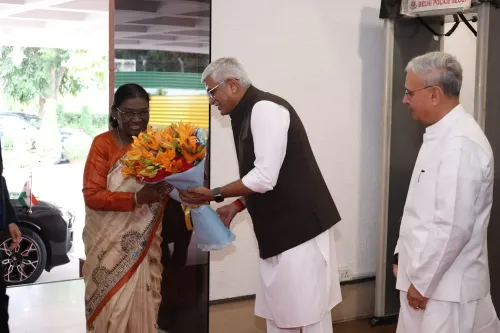
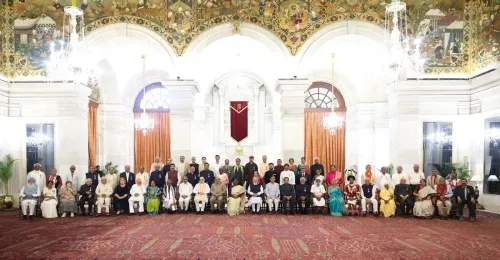
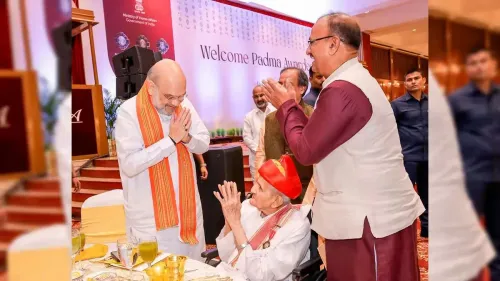
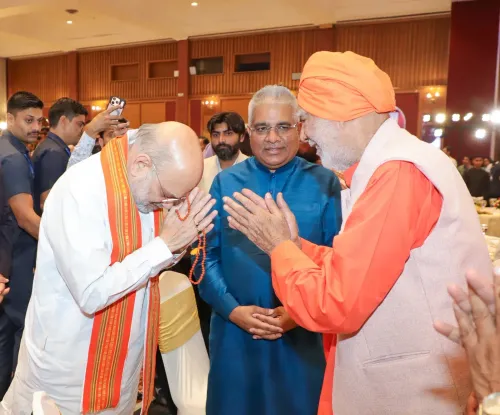
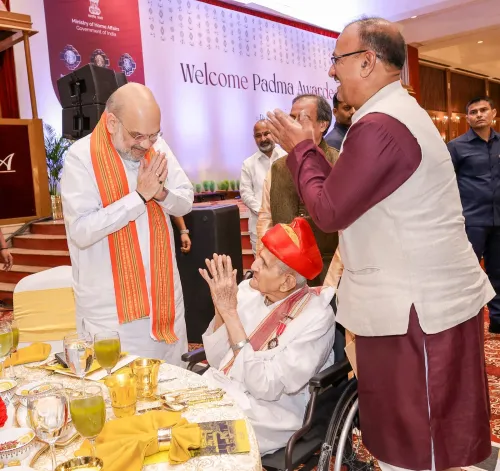
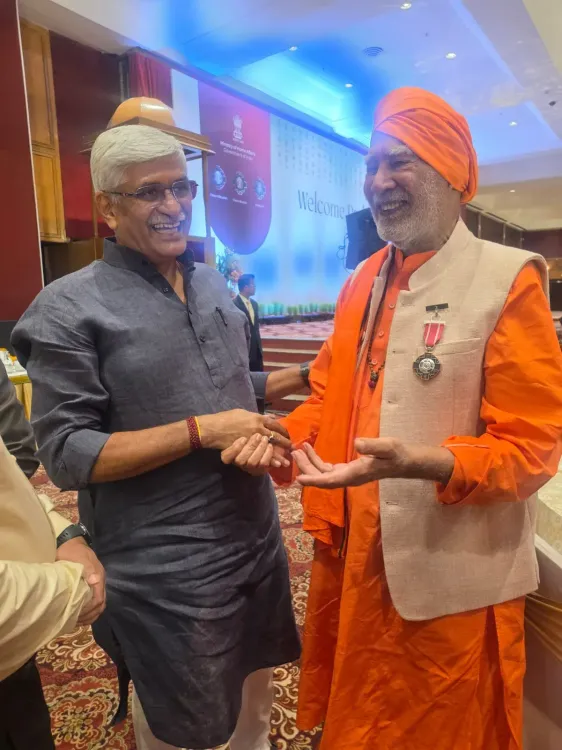
Union Culture Minister Gajendra Singh Shekhawat attended a dinner hosted by Home Minister Amit Shah on 26 May 2026 in honour of the 2026 Padma Award recipients, calling his interactions with the awardees — recognised for contributions in art, culture, literature, and social service — deeply inspiring.
Key Takeaways
Union Culture and Tourism Minister Gajendra Singh Shekhawat attended a dinner hosted by Home Minister Amit Shah on the night of 26 May 2026 .
The dinner was held in honour of recipients of the 2026 Padma Awards , India's highest civilian honours.
Awardees recognised across fields including nation-building, public service, art, culture, literature, social service, and human welfare were present.
Shekhawat described his conversations with the awardees as heartfelt and inspiring .
The Padma Awards have been conferred annually since 1954 and are coordinated by the Ministry of Home Affairs .
The formal Padma investiture ceremony by the President of India is expected to follow.
Union Culture and Tourism Minister Gajendra Singh Shekhawat attended a dinner hosted by Union Home and Cooperation Minister Amit Shah on the night of 26 May 2026 in honour of the recipients of the 2026 Padma Awards. The gathering brought together distinguished individuals recognised for their contributions across a wide range of fields that shape Indian public life.
Context
Shekhawat, posting on 27 May 2026, described attending 'पद्म पुरस्कार ग्रहण करने वाली विभूतियों के सम्मान में आयोजित भोज' ('a dinner organised in honour of the dignitaries receiving the Padma Awards'). He noted that his conversations with the awardees — spanning nation-building, public service, art, culture, literature, social service, and human welfare — were deeply inspiring.
As Union Minister for Culture and Tourism, Shekhawat's presence at an event celebrating achievers in art, culture, and literature aligns directly with his ministerial mandate. His attendance alongside Amit Shah, who oversees the Ministry of Home Affairs — the nodal ministry for Padma Awards — underscores the cross-ministerial significance accorded to the honours.
Policy Backdrop
The Padma Awards were instituted in 1954 as India's highest civilian honours, conferred annually by the President of India in three categories: Padma Vibhushan, Padma Bhushan, and Padma Shri. They recognise distinguished and exceptional service in fields including art, literature, education, science, sports, medicine, social service, and public affairs.
The Ministry of Home Affairs coordinates the nomination and selection process, which involves a dedicated Padma Awards Committee. Pre-investiture gatherings hosted by senior ministers have become an established part of the national honours protocol, allowing recipients an opportunity to interact with government leadership ahead of the formal ceremony presided over by the President.
Stakeholders and Impact
The 2026 Padma awardees represent a cross-section of Indian society — artists, writers, social workers, public servants, and contributors to human welfare. Such recognition carries both symbolic and practical weight, elevating the profiles of grassroots workers and established luminaries alike on a national platform.
For the Culture and Tourism Ministry, close engagement with Padma recipients — many of whom are custodians of India's intangible cultural heritage — reinforces policy priorities around cultural preservation and promotion. Shekhawat's characterisation of the interactions as 'आत्मीय संवाद प्रेरणादायी' ('heartfelt conversations that were inspiring') signals the government's intent to maintain a personal connect with those it honours.
What's Next
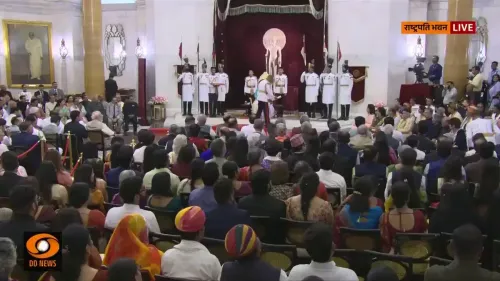
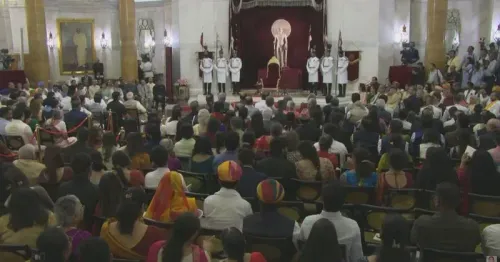
The formal Padma investiture ceremony for 2026 awardees is expected to follow, presided over by the President of India at Rashtrapati Bhavan. The ceremony is typically held in the first half of the year and is one of the most prominent events in India's official calendar of national honours.
With the Culture Ministry's active involvement in celebrating awardees from the arts and heritage sectors, further engagements — such as exhibitions, conclaves, or cultural programmes featuring Padma recipients — could be announced in the weeks ahead.
Point of View
Signalling that the ministry views Padma recipients as natural allies in its broader agenda of cultural promotion and heritage preservation. The cross-ministerial presence of both the Home Minister and the Culture Minister at a single felicitation event reflects a coordinated effort to amplify the political and symbolic weight of India's civilian honours. This pattern is likely to continue as the government approaches the formal investiture ceremony.
NationPress
10 Oct 2026
Frequently Asked Questions
What is the Padma Awards dinner hosted by Amit Shah?
It is a pre-investiture dinner hosted by Union Home Minister Amit Shah in honour of the recipients of the annual Padma Awards, India's highest civilian honours, ahead of the formal ceremony conducted by the President of India.
Who attended the 2026 Padma Awards dinner?
Union Culture and Tourism Minister Gajendra Singh Shekhawat confirmed his attendance, along with the 2026 Padma awardees recognised for contributions in art, culture, literature, public service, and social welfare.
When are the Padma Awards given every year?
The Padma Awards are announced on Republic Day (26 January) each year and are formally conferred by the President of India at Rashtrapati Bhavan, typically in the first half of the year.
What fields do the 2026 Padma Awards cover?
The 2026 Padma Awards recognise distinguished contributions across nation-building, public service, art, culture, literature, social service, and human welfare, among other fields.
What is Gajendra Singh Shekhawat's role in the Padma Awards?
As Union Minister of Culture and Tourism, Shekhawat does not administer the Padma Awards — that falls under the Ministry of Home Affairs — but his ministry's mandate closely aligns with honouring achievers in art, culture, and heritage.