Shekhawat hails Cabinet decisions as boost for Bihar growth, jobs
Synopsis
Union Culture and Tourism Minister Gajendra Singh Shekhawat said the latest Union Cabinet decisions will accelerate Bihar's development and create fresh employment opportunities, framing the announcement under the #CabinetDecisions tag as part of the centre's continued push on heritage-led growth in the eastern state.
Key Takeaways
Union Minister Gajendra Singh Shekhawat posted on 3 June 2026 that Cabinet decisions will boost Bihar's development and jobs.
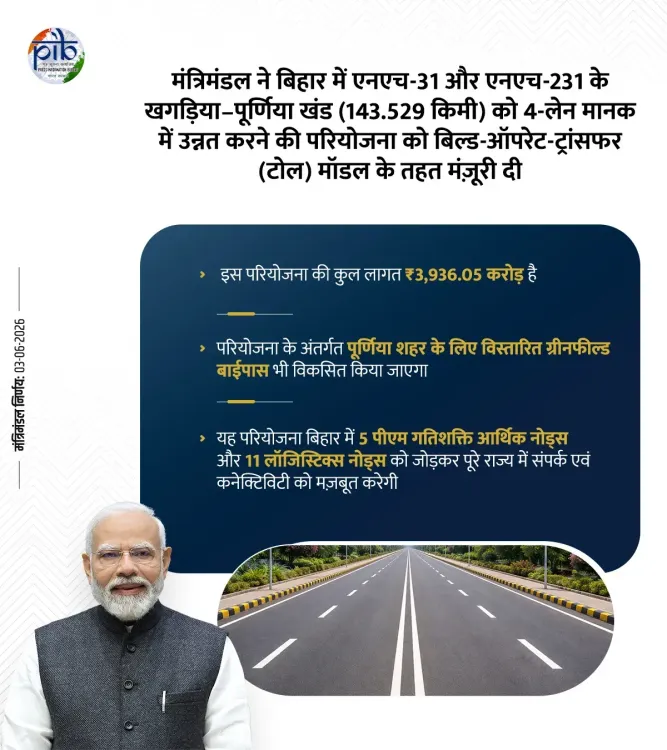
The Hindi-language post used the hashtag #CabinetDecisions and was accompanied by one image.
Bihar hosts major heritage sites including Bodh Gaya and Nalanda, frequent focal points for central tourism schemes.
The PRASAD scheme, launched in 2014-15, has previously funded heritage and pilgrimage infrastructure in the state.
Specific projects, outlays and timelines tied to the referenced Cabinet decisions are awaited.
Union Culture and Tourism Minister Gajendra Singh Shekhawat on Wednesday, 3 June 2026, welcomed the latest Union Cabinet decisions, asserting that they would accelerate development in Bihar and expand employment opportunities in the eastern state. The Lok Sabha MP from Jodhpur shared the message on X alongside an image, tagging the post with #CabinetDecisions.
In his post, written in Hindi, Shekhawat said: 'Bihar ke vikas ko milegi nai gati aur badhengi rozgar ki sambhavanayen bhi!' ('Bihar's development will gain new momentum and employment possibilities will also grow!'). The minister did not list the specific Cabinet items in the post itself, framing the announcement as a broad endorsement of the central government's focus on the state.
Context
Shekhawat, a senior BJP leader who holds the combined portfolio of Culture and Tourism, has been among the more visible faces of the Union government's outreach on heritage-led development. His remarks come at a time when Bihar—home to globally significant sites such as Bodh Gaya and the Nalanda ruins—remains a recurring focus of central tourism and cultural programming.
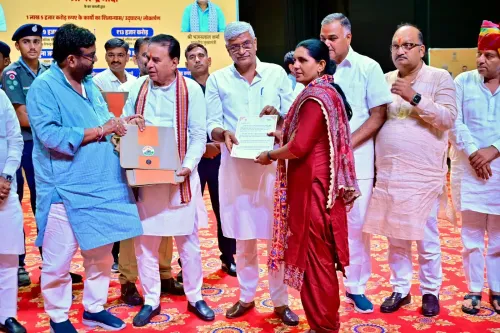
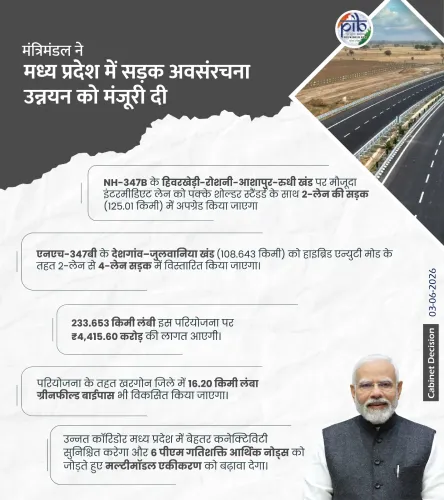
The accompanying visual in the post signals an official communication tied to a Cabinet meeting, though the minister's message itself stops at a broad assurance of momentum and jobs, leaving the granular project list to subsequent government briefings.
Policy backdrop
Central tourism investment in Bihar has historically flowed through schemes such as PRASAD (Pilgrimage Rejuvenation and Spiritual, Heritage Augmentation Drive), launched in 2014-15 to upgrade infrastructure at pilgrimage and heritage destinations, with several Bihar sites on its list over the years.
Successive Cabinet approvals have layered tourism circuits, road connectivity and heritage conservation work onto this base, positioning cultural infrastructure as a vehicle for employment in states with a smaller industrial footprint. Shekhawat's framing—linking vikas (development) directly to rozgar (employment)—fits squarely within that template.
Stakeholders and impact
The most immediate stakeholders are Bihar's tourism and hospitality sector, local artisans associated with heritage sites, and youth seeking entry-level work in guiding, transport, food services and small enterprise tied to pilgrim and tourist flows.
State-level tourism agencies and district administrations are typically the implementing arms for centrally sponsored heritage and connectivity work, meaning coordination between the Union Ministry of Culture, the Ministry of Tourism and the Bihar state government will determine how quickly any approved outlays translate into ground-level activity.
For the BJP, the messaging also lands in a politically consequential state where the party governs in alliance and where development outcomes are a recurring point of public debate.
What's next
Attention will now turn to the official Cabinet briefing notes for the specific projects, financial outlays and timelines tied to Shekhawat's claim. Key markers to watch include the scale of central allocations earmarked for Bihar, the mix between connectivity, heritage and skilling components, and the share of work expected to be tendered locally.
Equally important will be the rollout calendar—how soon detailed project reports are notified, when funds are released to executing agencies, and the timeline for employment generation that the minister has flagged. The credibility of the jobs-and-growth promise will ultimately rest on those operational details rather than on the announcement alone.
Point of View
Slotting fresh Cabinet decisions into the BJP's familiar narrative of heritage-and-tourism-led growth for eastern states. By foregrounding rozgar alongside vikas, the minister taps into Bihar's politically sensitive employment debate without committing to specific numbers. The pattern—central approval, broad ministerial endorsement, granular details later—is now a standard rhythm of the Modi government's communications. The real test will be whether the project list, when published, matches the scale implied by the announcement.
NationPress
20 Sept 2026
Frequently Asked Questions
What did Gajendra Singh Shekhawat say about Bihar?
Shekhawat said the latest Union Cabinet decisions will give Bihar's development new momentum and increase employment opportunities in the state. He shared the message in Hindi on X with the hashtag #CabinetDecisions.
When was the post made?
The post was published on Wednesday, 3 June 2026, by Union Culture and Tourism Minister Gajendra Singh Shekhawat on X.
Which Cabinet decisions is the minister referring to?
The post itself does not list specific items; it broadly endorses recent Union Cabinet approvals as beneficial for Bihar. Detailed project lists and outlays are expected via official Cabinet briefings.
How does the centre usually support tourism in Bihar?
The centre supports Bihar's tourism mainly through schemes such as PRASAD, launched in 2014-15, which funds heritage and pilgrimage infrastructure at sites including Bodh Gaya and Nalanda.
Who is Gajendra Singh Shekhawat?
Gajendra Singh Shekhawat is the Union Minister of Culture and Tourism and a senior BJP leader. He is the Lok Sabha MP from Jodhpur, Rajasthan.