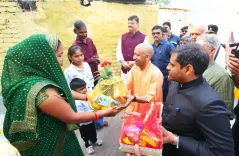
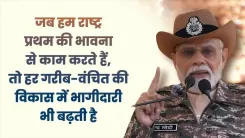
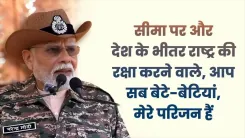
Shekhawat Celebrates Diwali With Jawans in Bastar
Synopsis
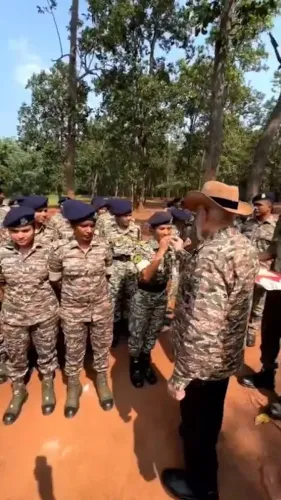
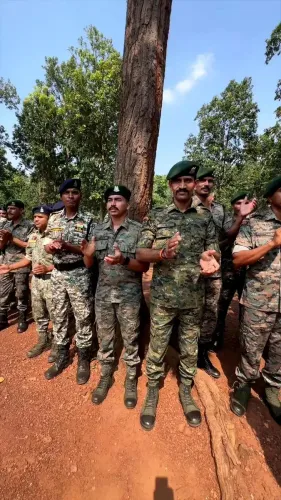
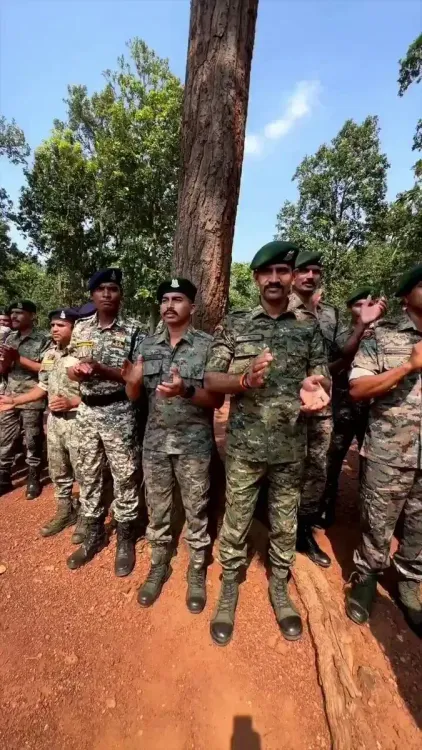
Union Culture and Tourism Minister Gajendra Singh Shekhawat marked Diwali 2026 by joining security jawans deployed in Bastar, Chhattisgarh, sharing a video of the celebration and paying tribute to forces serving in the anti-Naxal operational zone.
Key Takeaways
Union Minister Gajendra Singh Shekhawat celebrated Diwali with security jawans in Bastar, Chhattisgarh on 8 November 2026 .
The minister shared a video of the festivities on X, captioned 'Bastar mein jawaanon ke sang Diwali ka utsav.' Bastar is a Left Wing Extremism-affected region of southern Chhattisgarh with a sustained central security forces presence.
Central ministers periodically visit forward locations during major festivals to boost the morale of deployed personnel.
Shekhawat's Culture and Tourism portfolio adds a secondary dimension to the visit, given Bastar's significant tribal cultural heritage.
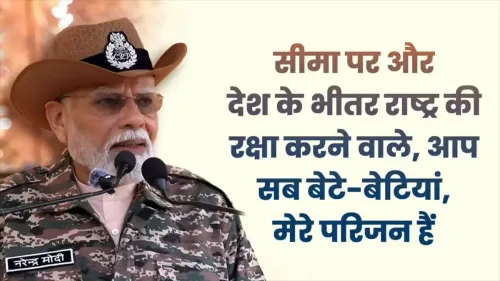
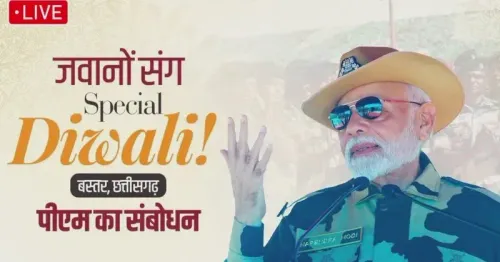
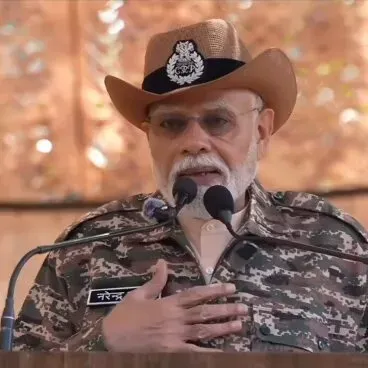
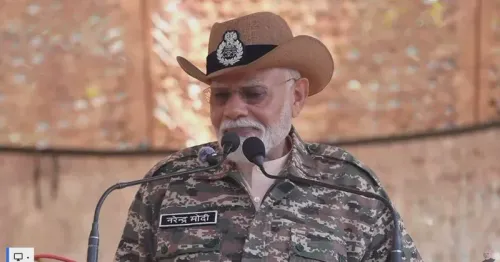
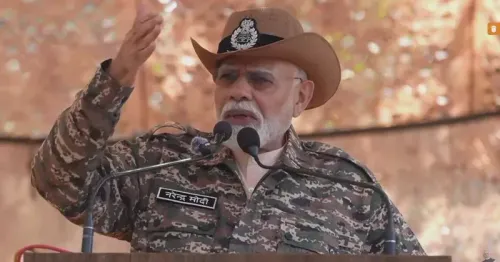
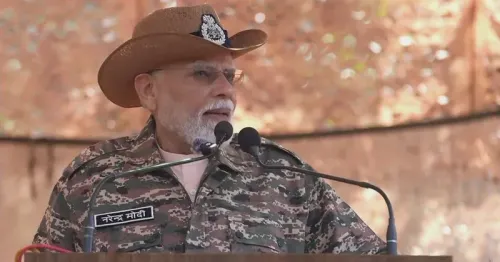
When the lights of Diwali reached the forests of Bastar, Union Culture and Tourism Minister Gajendra Singh Shekhawat was there to light them alongside the security forces deployed in one of India's most challenging operational zones. The minister shared a video from the celebration on Sunday, 8 November 2026, posting: 'Bastar mein jawaanon ke sang Diwali ka utsav' — 'Celebrating Diwali with the jawans in Bastar.'
Diwali in the Forests of Southern Chhattisgarh
Bastar, the sprawling tribal heartland of southern Chhattisgarh, has for decades been the frontline of India's anti-Naxal security operations. Central security forces — CRPF battalions, district police, and specialised units — maintain a sustained presence across its dense forests and remote villages. For these personnel, postings here mean festivals spent far from family.
Shekhawat's visit fits a broader pattern among central ministers: periodically travelling to forward or conflict-affected locations during major national festivals to spend time with deployed troops. The gesture carries both a symbolic and a morale-driven weight — a signal from the government that the men and women holding the line in difficult terrain are not forgotten when the rest of the country celebrates.
Bastar's Dual Identity: Security Zone and Tribal Heritage
What makes Shekhawat's presence in Bastar particularly layered is his portfolio. As Culture and Tourism Minister, he oversees a region whose tribal art, Dhokra metalwork, Gondh paintings, and dense eco-landscapes hold significant untapped tourism potential. Bastar is simultaneously a Left Wing Extremism-affected district and one of India's most distinctive cultural corridors.
Any ministerial visit to the region carries the possibility of downstream announcements — cultural programming, tourism infrastructure, or heritage recognition for its indigenous communities. Whether this festival visit translates into a formal ministry initiative for Bastar in the coming weeks remains the story to watch.
The Jawans Who Don't Come Home for the Holidays
At its core, the post is a tribute. Diwali in India is about homecoming, family courtyards lit with diyas, and the warmth of shared meals. For the jawans stationed in Bastar's jungle camps, that homecoming is deferred — sometimes for months, sometimes longer. A minister arriving with a camera, a greeting, and genuine presence on the festival's day is a small but visible acknowledgement of that sacrifice.
The festival season in Chhattisgarh also coincides with heightened vigilance in Left Wing Extremism zones, as security forces maintain operational tempo through the holiday period. Celebrating Diwali in the field, rather than a capital office, underlines that reality with clarity.
Point of View
The optics carry an additional dimension — his Culture and Tourism brief gives any Bastar engagement a potential policy tail, keeping watch on whether festival diplomacy converts into tangible heritage or tourism investment for the region's tribal communities. The visit is routine in form but resonant in signal.
NationPress
8 Nov 2026
Frequently Asked Questions
Why did Gajendra Singh Shekhawat go to Bastar for Diwali?
Shekhawat visited Bastar to celebrate Diwali with security jawans deployed there, following a broader practice of central ministers spending major festivals with forces serving in difficult or conflict-affected areas.
Where is Bastar and why are jawans deployed there?
Bastar is a region in southern Chhattisgarh with significant tribal population. Central security forces are deployed there as part of ongoing anti-Naxal operations in the Left Wing Extremism-affected zone.
What did Shekhawat post about Bastar Diwali?
He posted a video on X on 8 November 2026, captioning it 'Bastar mein jawaanon ke sang Diwali ka utsav' — meaning 'Celebrating Diwali with the jawans in Bastar.'
What is Gajendra Singh Shekhawat's ministerial role?
Gajendra Singh Shekhawat is the Union Minister of Culture and Tourism, a senior BJP leader and Lok Sabha MP from Jodhpur, Rajasthan.
Does the Culture Ministry have any projects in Bastar?
Bastar has significant tribal cultural heritage, including Dhokra metalwork and Gondh art. Any ministry initiatives for the region following this visit would be watched, though no specific announcements have been verified as of this report.