Shekhawat joins Chinmaya Mission's Amrit Mahotsav
Synopsis
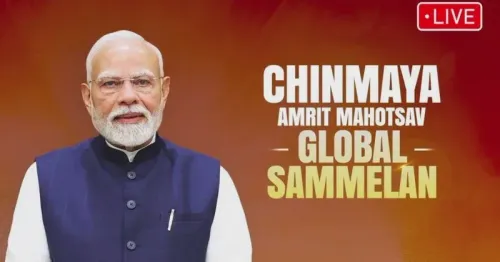
Union Culture Minister Gajendra Singh Shekhawat joined the Chinmaya Mission's Amrit Mahotsav on October 23, 2026, sharing PM Modi's tribute describing the Mission as an immortal 'Chinmaya thought' rooted in Advaita Vedanta, founded by Swami Chinmayananda in 1953.
Key Takeaways
Union Culture and Tourism Minister Gajendra Singh Shekhawat attended the Chinmaya Mission Amrit Mahotsav on October 23, 2026 .
PM Narendra Modi described the Mission as 'not merely an institution but a Chinmaya thought,' calling its nature immortal and 'amritamay.' The Chinmaya Mission was founded in 1953 by Swami Chinmayananda to disseminate Advaita Vedanta and has since grown into a global spiritual network.
The 'Amrit Mahotsav' label frames the Mission's jubilee within the same civilisational idiom the government has used for India's own national milestones.
The Culture Ministry's attendance reflects a consistent pattern of state engagement with major spiritual institutions as part of India's soft-power and cultural-heritage outreach.
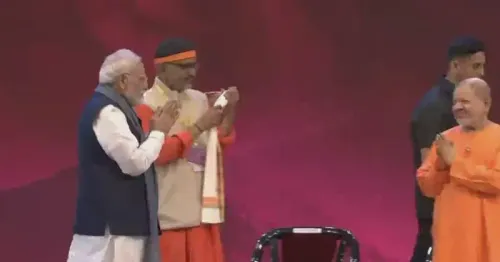
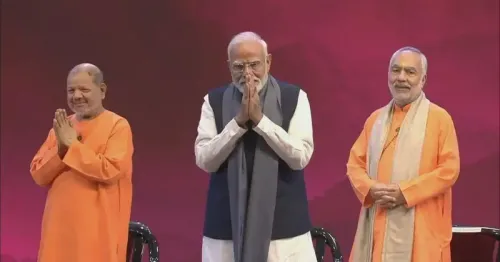
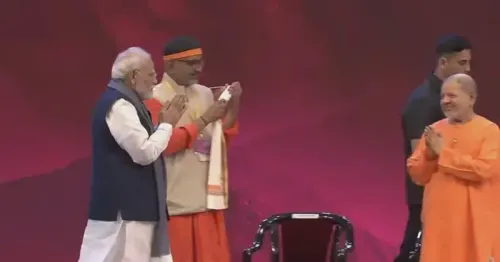
Seventy-three years after Swami Chinmayananda lit the first lamp of Vedantic inquiry, the organisation he founded is marking its milestone anniversary — and Union Culture and Tourism Minister Gajendra Singh Shekhawat was in the audience on Friday, October 23, 2026, sharing a message that reached well beyond the ceremony itself.
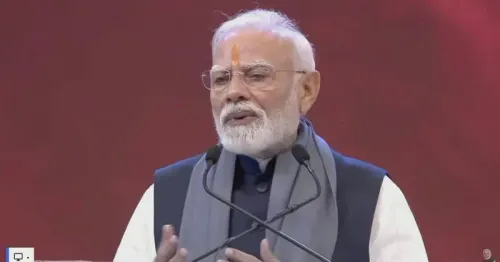
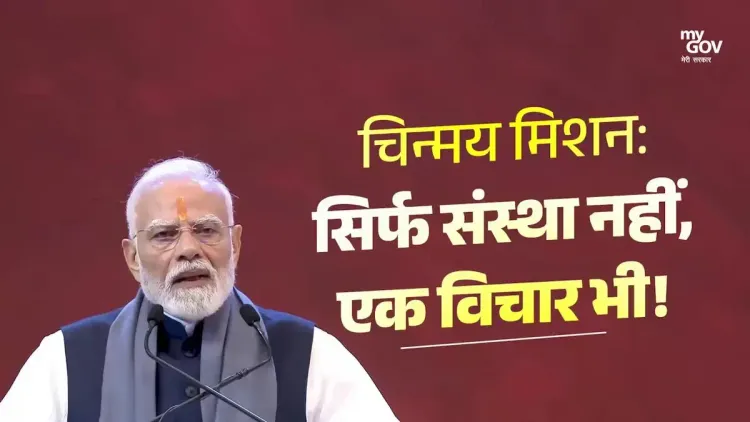
Shekhawat took to X to share words attributed to Prime Minister Narendra Modi at the Chinmaya Amrit Mahotsav — a milestone celebration of the Chinmaya Mission. The post carries PM Modi's reflection: 'Chinmaya Mission केवल एक संस्था नहीं है, ये चिन्मय विचार है' — 'Chinmaya Mission is not merely an institution; it is a Chinmaya thought.' The Prime Minister described the event as 'a wholly different spiritual experience' and called the Mission's decades-long journey one 'filled with Chinmaya resolve' — noting that what is truly 'Chinmaya' (pure consciousness) is, by its very nature, immortal and 'amritamay' (full of nectar).
Swami Chinmayananda's legacy and the Mission's reach
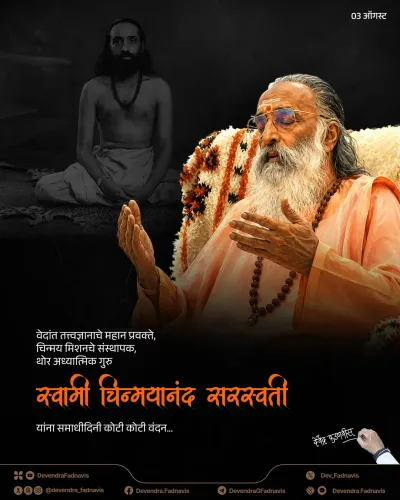
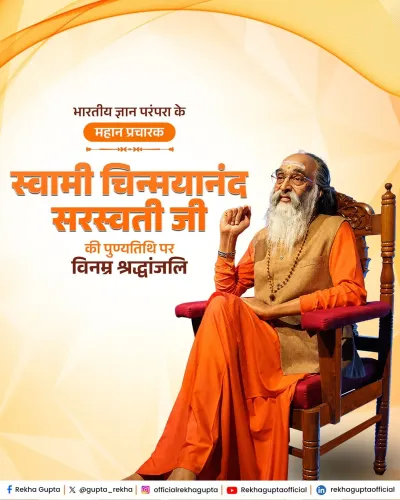
The Chinmaya Mission was founded in 1953 by Swami Chinmayananda, a Hindu spiritual leader who made Advaita Vedanta accessible to modern urban Indians through structured study groups and ashrams. From a single Gita Jnana Yajna in Pune, the Mission has grown into a global network spanning dozens of countries, carrying forward teachings on consciousness, self-inquiry, and ethical living rooted in the Upanishads.
The 'Amrit Mahotsav' designation — echoing the same nomenclature used for India's 75th Independence anniversary — signals that the Mission is marking a significant jubilee, framing its longevity in the same civilisational idiom that the government has championed across cultural programmes.
State and spiritual institution: a deliberate alignment
The Minister's attendance is part of a consistent pattern: Indian ministers and the Prime Minister have regularly appeared at milestone events of established spiritual missions, using such platforms to project India's philosophical traditions — both domestically and on the world stage. For the Culture Ministry in particular, engagement with Vedantic institutions fits naturally within a broader mandate to preserve and propagate India's intangible cultural heritage.
PM Modi's phrasing — that the Mission embodies a 'thought' rather than merely an organisation — is a recurring motif in Indian spiritual-cultural discourse, elevating institutional anniversaries into statements about civilisational continuity. For Shekhawat, amplifying those words positions the Culture Ministry squarely within that larger narrative.
The Chinmaya Mission's blend of philosophical rigour and grassroots outreach has made it a significant soft-power asset — one that the government appears keen to acknowledge publicly as its anniversary moment arrives.
Point of View
Amplifying these remarks reinforces the Culture Ministry's positioning at the intersection of heritage, spirituality, and public diplomacy. Expect this alignment to surface again in upcoming cultural policy statements or international outreach tied to India's Vedantic traditions.
NationPress
23 Oct 2026
Frequently Asked Questions
What is the Chinmaya Amrit Mahotsav?
The Chinmaya Amrit Mahotsav is a milestone anniversary celebration of the Chinmaya Mission, the Vedanta-based spiritual organisation founded by Swami Chinmayananda in 1953. The 'Amrit Mahotsav' designation marks a significant jubilee in the Mission's history.
Who founded the Chinmaya Mission and when?
The Chinmaya Mission was founded in 1953 by Swami Chinmayananda, a Hindu spiritual leader who popularised Advaita Vedanta through structured study groups, Gita discourses, and ashrams across India and internationally.
What did PM Modi say about the Chinmaya Mission?
PM Modi described the Chinmaya Mission as 'not merely an institution but a Chinmaya thought,' calling its decades-long journey 'filled with Chinmaya resolve' and noting that what is truly 'Chinmaya' — pure consciousness — is by nature immortal and 'amritamay.'
Why did Culture Minister Shekhawat attend the Chinmaya Mission event?
Minister Gajendra Singh Shekhawat attended as part of the government's consistent engagement with established spiritual and philosophical institutions, which aligns with the Culture Ministry's mandate to preserve and promote India's intangible cultural heritage.
What is Advaita Vedanta and why is the Chinmaya Mission significant?
Advaita Vedanta is a non-dualistic school of Hindu philosophy that holds consciousness as the singular ultimate reality. The Chinmaya Mission has been significant in making these teachings accessible to modern audiences through a global network of study groups and ashrams.