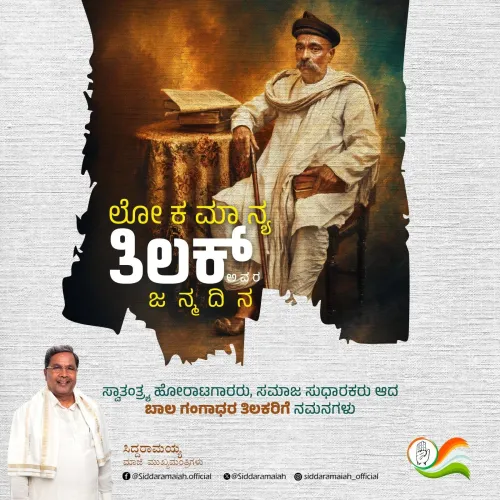
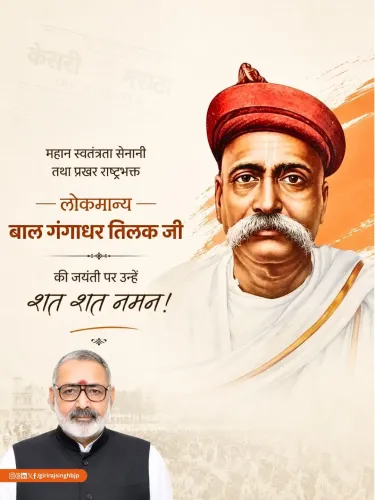
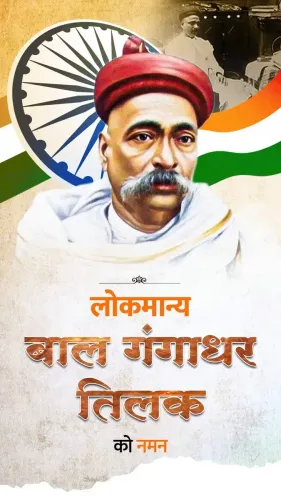
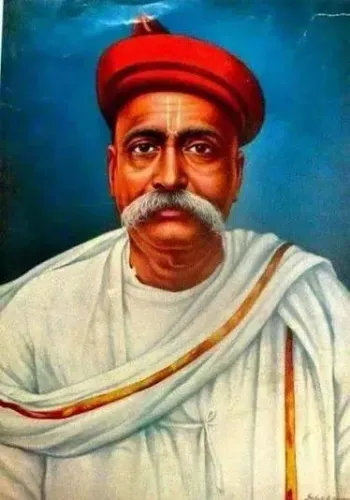
Shekhawat pays tribute to Bal Gangadhar Tilak on Jayanti
Synopsis
Union Culture Minister Gajendra Singh Shekhawat marked Bal Gangadhar Tilak's birth anniversary on 23 July 2026, invoking the freedom fighter's iconic 'Swaraj is my birthright' declaration and offering salutations to his legacy as a foremost hero of India's independence struggle.
Key Takeaways
Gajendra Singh Shekhawat , Union Minister of Culture and Tourism, paid tribute to Bal Gangadhar Tilak on his birth anniversary, 23 July 2026 .
He quoted Tilak's celebrated slogan: 'Swaraj is my birthright and I shall have it.' Bal Gangadhar Tilak was born on 23 July 1856 and is regarded as a foremost figure among India's early nationalist leaders.
Tilak championed the Swadeshi movement and used mass cultural events to build political consciousness against colonial rule.
The tribute is consistent with the BJP government's emphasis on honouring a wide spectrum of independence-era icons, including pre-Gandhian nationalist figures.
The Ministry of Culture is expected to continue freedom-movement commemorations through the July–August period ahead of Independence Day .
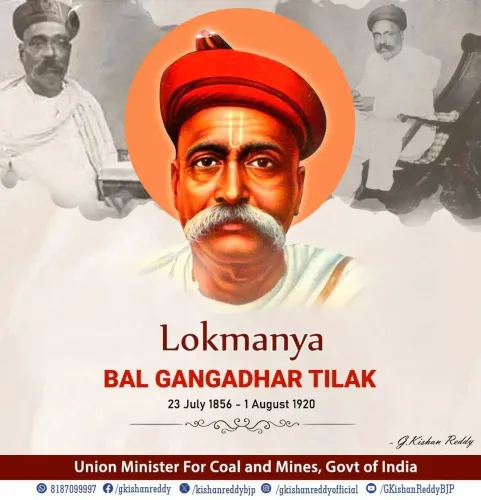
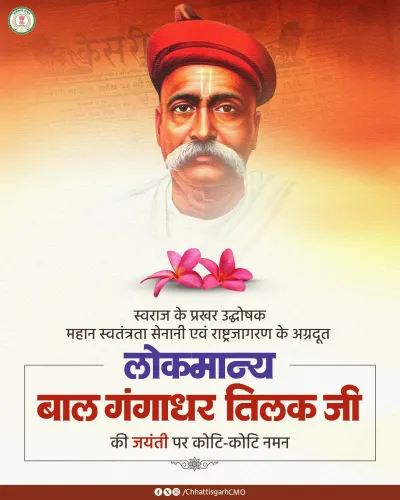
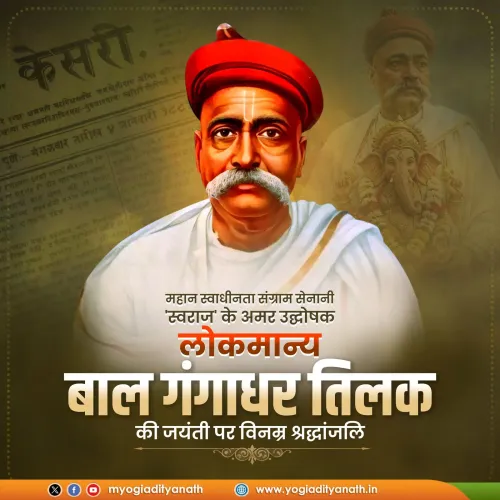
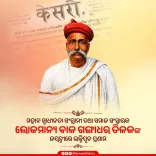
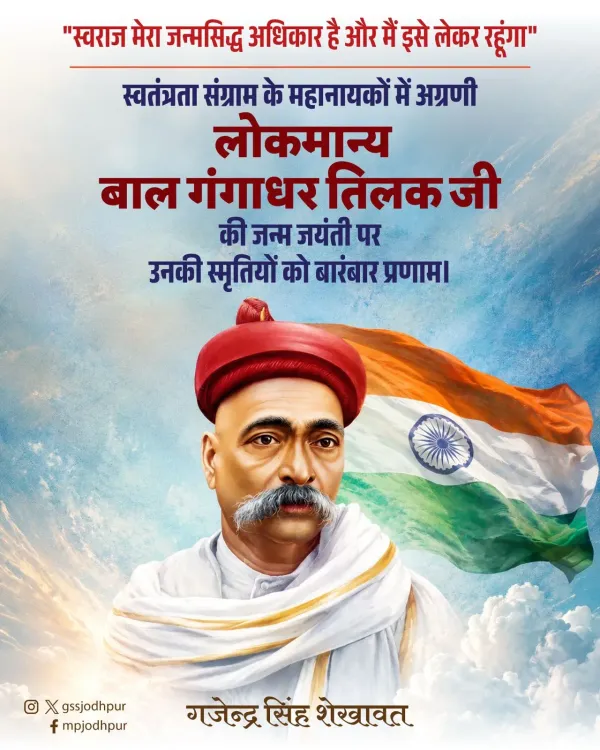
Union Culture and Tourism Minister Gajendra Singh Shekhawat on Thursday, 23 July 2026 paid tribute to freedom fighter Bal Gangadhar Tilak on his birth anniversary, invoking Tilak's celebrated declaration that swaraj was his birthright.
Context
Shekhawat's post on X quoted Tilak's iconic rallying cry — 'Swaraj mera janmasiddh adhikar hai aur main ise lekar rahunga' ('Swaraj is my birthright and I shall have it') — offering repeated salutations to the nationalist leader's memory on his Jayanti. The minister described Tilak as 'agrani mahanayak', meaning a foremost hero, among the great figures of India's independence struggle.
Bal Gangadhar Tilak, born 23 July 1856 in Ratnagiri, Maharashtra, was one of the earliest and most assertive voices of Indian nationalism. He championed the Swadeshi movement, used festivals such as Ganesh Chaturthi as platforms for mass political mobilisation, and edited influential Marathi and English newspapers to spread nationalist thought. His slogan on swaraj remains one of the most quoted phrases from India's freedom movement.
Policy Backdrop
Indian governments have observed Tilak Jayanti on 23 July annually since independence, with official tributes, educational programmes, and cultural events marking the occasion. The Ministry of Culture, which Shekhawat heads, oversees heritage and cultural outreach initiatives that frequently align with such freedom-movement anniversaries in the July–August calendar, a period dense with independence-era commemorations ahead of Independence Day on 15 August.
The BJP and its governments have consistently emphasised a broader spectrum of independence-era icons, particularly pre-Gandhian and Swadeshi-era figures such as Tilak, Subhas Chandra Bose, and Veer Savarkar, as part of a conscious effort to expand the nationalist narrative beyond what the party characterises as a Congress-centric historical lens.
Stakeholders and Impact
Public tributes of this nature by a sitting Union minister carry institutional weight, signalling the government's cultural priorities to educational institutions, cultural organisations, and state governments that may organise parallel commemorative events. Tilak's legacy resonates particularly strongly in Maharashtra, where his political and social work is deeply embedded in regional identity.
For the broader public, especially students and history enthusiasts, ministerial posts on such occasions serve as reminders of the freedom movement's diverse intellectual traditions — from Tilak's assertive demand for immediate self-rule to the later constitutional approaches that followed.
What's Next
The Ministry of Culture is expected to continue its calendar of freedom-movement commemorations through July and August 2026, culminating in Independence Day events. Observers will watch for any specific heritage, education, or cultural initiatives announced by the ministry around this period that draw on the Swadeshi and Swaraj legacy that Tilak personified.
Point of View
Elevating assertive Swadeshi-era nationalists as foundational figures of Indian identity. By invoking the 'Swaraj is my birthright' slogan, the minister ties the party's governance narrative to a tradition of uncompromising self-determination. This pattern of ministerial tributes, amplified through social media, functions as soft cultural messaging ahead of the Independence Day season. It also positions the Ministry of Culture as an active custodian of a pluralistic but distinctly assertive reading of India's freedom movement.
NationPress
23 Jul 2026
Frequently Asked Questions
When is Bal Gangadhar Tilak Jayanti celebrated?
Bal Gangadhar Tilak Jayanti is celebrated on 23 July every year, marking his birth on 23 July 1856 in Ratnagiri, Maharashtra.
What is Bal Gangadhar Tilak's famous slogan?
Tilak's most famous slogan is 'Swaraj is my birthright and I shall have it' — in Hindi, 'Swaraj mera janmasiddh adhikar hai aur main ise lekar rahunga' — which became a defining cry of India's early nationalist movement.
Who is Gajendra Singh Shekhawat?
Gajendra Singh Shekhawat is the Union Minister of Culture and Tourism, a senior BJP leader, and a Lok Sabha MP representing Jodhpur, Rajasthan .
What did Gajendra Singh Shekhawat post on Tilak Jayanti 2026?
On 23 July 2026 , Shekhawat posted a tribute on X quoting Tilak's iconic swaraj slogan and offering salutations to his memory as a foremost hero of India's independence struggle.
Why does the BJP frequently tribute pre-Gandhian nationalist leaders?
The BJP has consistently emphasised a broader nationalist canon that includes assertive Swadeshi-era figures such as Tilak, presenting them as foundational to India's freedom movement alongside, and sometimes distinct from, the Congress-era mainstream narrative.