Shekhawat pays tribute to Lala Lajpat Rai on Balidan Diwas
Synopsis
Union Culture and Tourism Minister Gajendra Singh Shekhawat marked the martyrdom anniversary of freedom fighter Lala Lajpat Rai on 17 November 2026, remembering the Punjab Kesari as a fearless nationalist who led protests against the Simon Commission and paid for it with his life.
Key Takeaways
Lala Lajpat Rai died on 17 November 1928 from injuries sustained during a lathi charge by British police at a Lahore protest against the Simon Commission.
The Simon Commission of 1928 was a British constitutional review body that excluded all Indian members, triggering widespread protests across India.
Lala Lajpat Rai founded the National College in Lahore as an institution of nationalist education and resistance.
He was part of the celebrated Lal-Bal-Pal trio of militant nationalist leaders alongside Bal Gangadhar Tilak and Bipin Chandra Pal.
Union Culture and Tourism Minister Gajendra Singh Shekhawat posted the tribute on 17 November 2026 , consistent with the ministry's role in preserving India's independence heritage.
Ninety-eight years after Lala Lajpat Rai fell to British batons on the streets of Lahore, his sacrifice continues to draw solemn remembrance from the highest offices of the Indian state. On 17 November 2026, Union Culture and Tourism Minister Gajendra Singh Shekhawat paid heartfelt homage to the iconic freedom fighter on his Balidan Diwas — the anniversary of his martyrdom.
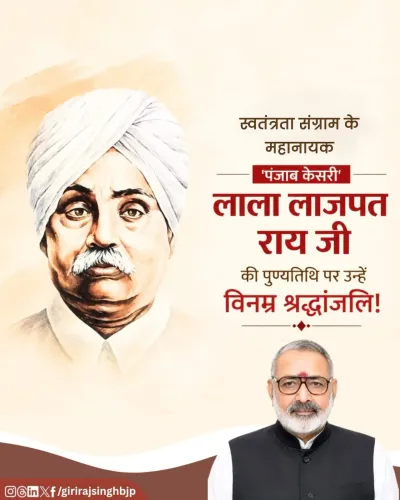
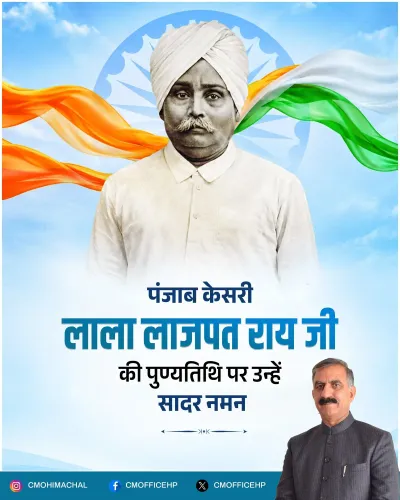
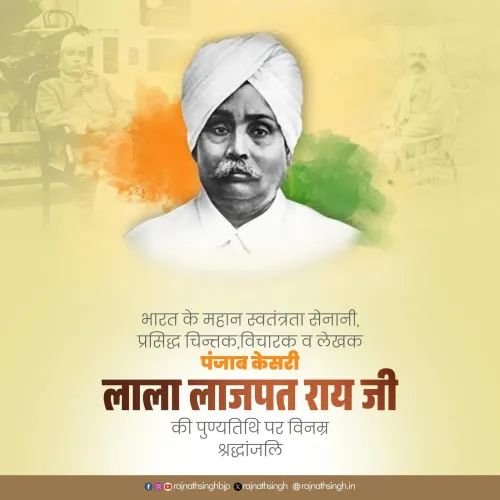
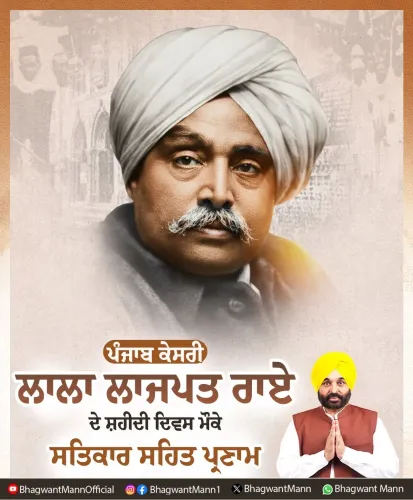
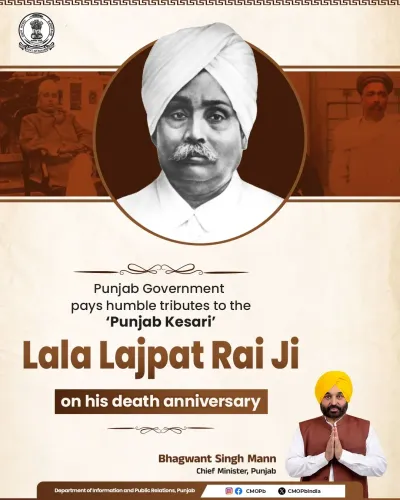
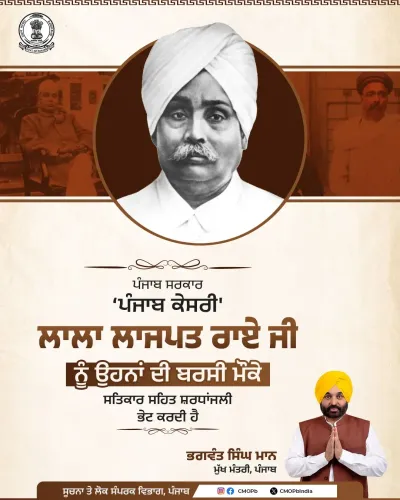
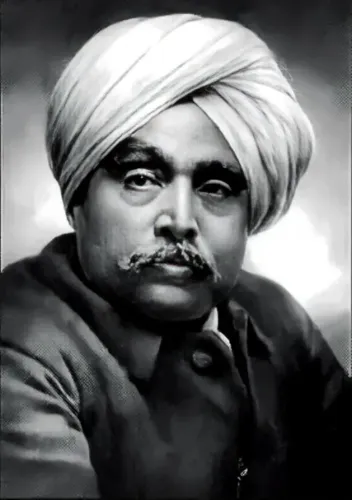
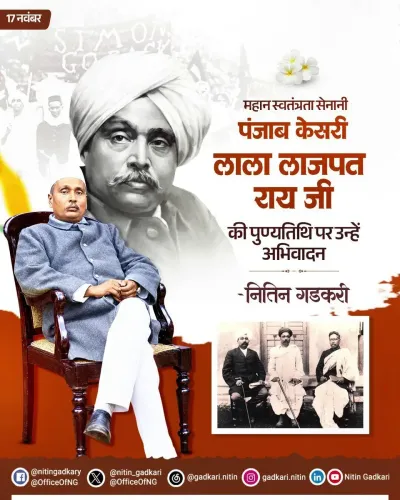
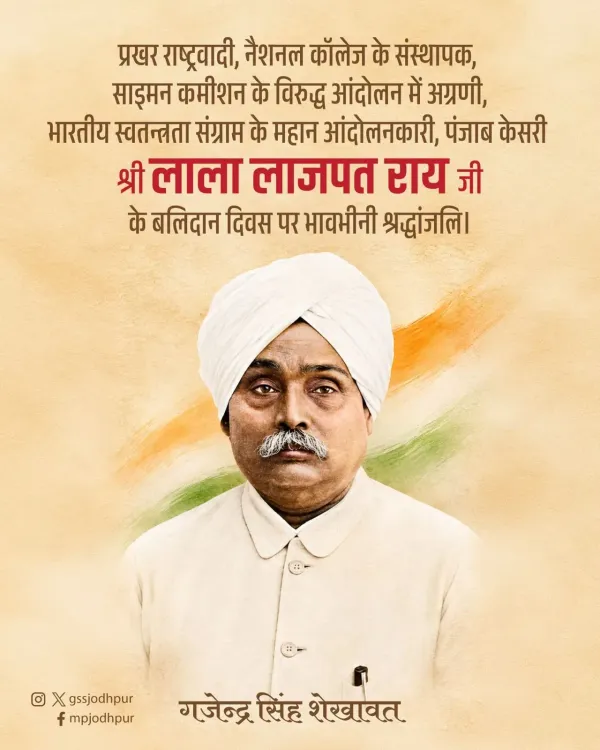
Posting on X in Hindi, Minister Shekhawat remembered Lala Lajpat Rai as a 'fervent nationalist, founder of National College, a frontline leader of the agitation against the Simon Commission, a great revolutionary of India's freedom struggle, and Punjab Kesari.' The tribute was accompanied by an image marking the occasion.Who was Punjab Kesari — and why the Simon Commission mattered
Lala Lajpat Rai was one of the towering figures of India's independence movement — the 'Lal' in the celebrated Lal-Bal-Pal trio alongside Bal Gangadhar Tilak and Bipin Chandra Pal. He founded the National College in Lahore as a deliberate act of cultural and intellectual defiance against British-controlled education, nurturing a generation of nationalists. In 1928, the British government dispatched the Simon Commission — a parliamentary body tasked with reviewing constitutional reforms in India — with one glaring proviso: not a single Indian was included in its membership. The slight was not lost on the country. Protests erupted across India, and in Lahore, Lala Lajpat Rai led a peaceful march against the Commission's arrival. British police superintendent James Scott ordered a lathi charge; Rai bore the brunt of the blows directly. 'Every blow struck on me,' he declared in the aftermath, 'is a nail in the coffin of the British Empire in India.' He died on 17 November 1928, his health fatally broken by the assault.A ministry of culture keeping the memory alive
Tributes from Union ministers on the death anniversaries of independence figures are a consistent feature of India's official commemorative calendar — but the gesture carries particular resonance when it comes from the Ministry of Culture, which formally stewards the nation's historical memory. For Minister Shekhawat, whose ministry oversees institutions dedicated to India's civilisational and independence heritage, marking Punjab Kesari's Balidan Diwas is as much institutional duty as personal reverence. Lala Lajpat Rai's legacy endures not only in the textbooks but in living institutions — the Lala Lajpat Rai Memorial, the college he founded, and the broader discourse around non-cooperation with unjust colonial authority that his life embodied. Nearly a century on, the image of a defiant leader absorbing police blows with unflinching resolve remains one of the most consequential scenes in India's long march to freedom — a reminder that the republic's birth certificate was written, in part, in sacrifice.Point of View
Invoking Punjab Kesari on his Balidan Diwas is a signal that the state views these anniversaries as living civic events, not dusty footnotes. The gesture also fits a broader pattern of the current dispensation foregrounding nationalist freedom fighters as cultural touchstones.
NationPress
17 Nov 2026
Frequently Asked Questions
When did Lala Lajpat Rai die and why?
Lala Lajpat Rai died on 17 November 1928 in Lahore. He had been seriously injured in a police lathi charge ordered during peaceful protests against the Simon Commission's visit to the city, and his health never recovered from the assault.
Why is Lala Lajpat Rai called Punjab Kesari?
'Punjab Kesari' — meaning 'Lion of Punjab' — was a title given to Lala Lajpat Rai in honour of his fearless leadership of nationalist causes in the Punjab region and his towering role in India's independence movement.
What was the Simon Commission and why was it opposed?
The Simon Commission was a British parliamentary commission formed in 1928 to review constitutional reforms in India. It was widely opposed because it included no Indian members, making it a symbol of colonial exclusion and arrogance.
What was the National College founded by Lala Lajpat Rai?
Lala Lajpat Rai founded the National College in Lahore as an institution of nationalist education that would operate outside British-controlled academic structures, nurturing a generation committed to India's independence.
What did Gajendra Singh Shekhawat post on Lala Lajpat Rai's Balidan Diwas 2026?
Union Culture and Tourism Minister Gajendra Singh Shekhawat posted a tribute on 17 November 2026 on X, remembering Lala Lajpat Rai as a fervent nationalist, founder of National College, leader of the Simon Commission protests, and a great revolutionary of India's freedom struggle.