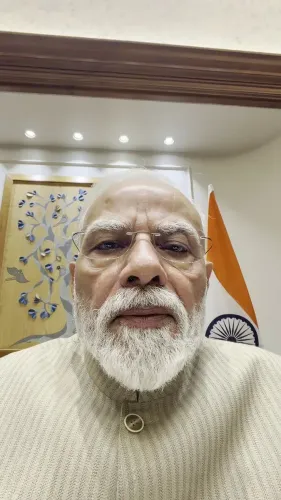
Shekhawat shares Modi's word on exam reform bill passed by Parliament
Synopsis
Parliament passed a bill to make India's examination system more transparent and credible. Union Minister Gajendra Singh Shekhawat shared PM Narendra Modi's statement on the legislation, as India moves to address recurring exam irregularity scandals.
Key Takeaways
Parliament passed a bill on or before July 31, 2026 aimed at strengthening India's examination system.
PM Narendra Modi stated the law will make the system 'stronger, more transparent, and more credible.' Union Minister Gajendra Singh Shekhawat amplified the PM's statement on X, signalling senior BJP endorsement.
The reform follows years of paper-leak controversies in national competitive exams that damaged public trust.
The National Testing Agency (NTA) and similar bodies will face new oversight under rules to be framed under the law.
The National Education Policy 2020 had earlier called for exactly this kind of assessment reform.
Parliament has passed a bill aimed at making India's examination system stronger, more transparent, and more credible — and Union Culture and Tourism Minister Gajendra Singh Shekhawat marked the moment by amplifying the words of Prime Minister Narendra Modi on Friday, July 31, 2026.
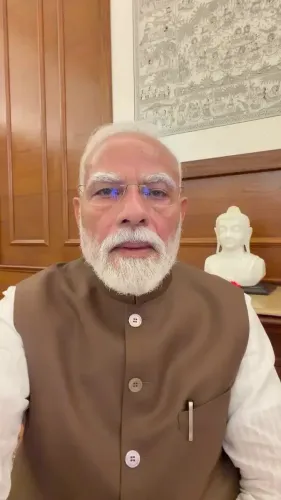
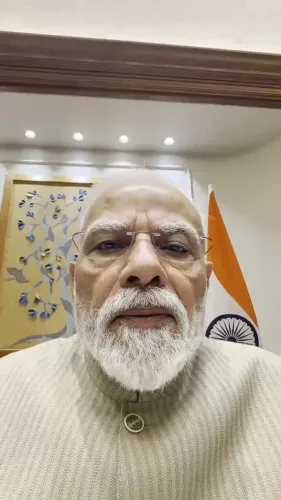
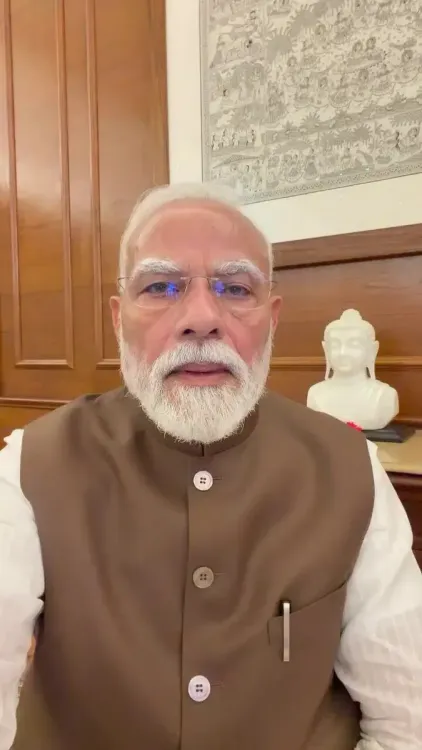
Shekhawat quoted the Prime Minister directly: 'संसद ने ऐसा विधेयक पारित किया है, जो हमारी परीक्षा प्रणाली को और अधिक सुदृढ़, पारदर्शी तथा विश्वसनीय बनाएगा.' ('Parliament has passed a bill that will make our examination system stronger, more transparent, and more credible.') The attribution to Modi signals the government's intent to own this reform at the highest level.
Why the exam system needed fixing
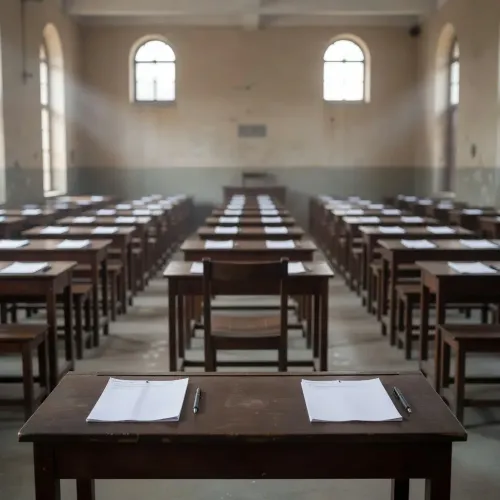
India's national competitive examinations have been rocked by a string of paper-leak scandals and irregularities in recent years, eroding trust among millions of aspirants who stake years of preparation on a single test. The pressure on the system has been immense — and so has public anger when it fails. Every leak is not just an administrative lapse; it is a betrayal of the students who played by the rules.
The National Education Policy 2020 had already called for overhauling assessment frameworks to reduce the high-stakes, single-exam model and inject greater transparency. The bill passed by Parliament now appears to be a legislative step in that direction, with stricter oversight built into the examination process.
Pressure on bodies like the National Testing Agency
The immediate spotlight falls on bodies such as the National Testing Agency (NTA), which administers some of the country's most consequential entrance examinations. How the rules framed under the new law are implemented — and whether they introduce real accountability mechanisms — will determine whether the reform is felt on the ground or remains on paper.
For the tens of millions of students who appear in national-level exams each year, the proof will be in the next exam cycle. Credibility, once lost, is rebuilt slowly — and only through consistent, clean conduct.
Point of View
The BJP is clearly positioning this as a flagship governance delivery. The real test, however, is implementation: past reforms in India's examination ecosystem have often stalled at the rule-making stage. If the new law introduces genuine structural accountability — independent audits, criminal liability for leaks, process digitisation — it could mark a turning point; if it remains procedural, the next scandal will be twice as damaging.
NationPress
31 Jul 2026
Frequently Asked Questions
What bill did Parliament pass on India's examination system in 2026?
Parliament passed a bill intended to make India's examination system more transparent, credible, and robust. PM Modi described it as a measure to strengthen the overall exam framework.
Why is India reforming its examination system?
India has faced repeated controversies involving paper leaks and irregularities in national-level competitive exams, eroding trust among millions of aspirants and prompting legislative action.
What is the National Testing Agency and how is it affected?
The National Testing Agency (NTA) conducts major entrance examinations in India. The new law is expected to bring stricter oversight and accountability rules that will directly affect how the NTA and similar bodies operate.
What did PM Modi say about the exam reform bill?
PM Modi stated that 'Parliament has passed a bill that will make our examination system stronger, more transparent, and more credible,' a quote shared by Union Minister Gajendra Singh Shekhawat on X.
How does the 2026 exam bill relate to the National Education Policy 2020?
The National Education Policy 2020 had called for reforms to reduce high-stakes single-exam models and improve assessment transparency. The 2026 bill appears to be a legislative follow-through on those policy goals.