CM Himanta flags Kavach rollout across 2,569 km of rail network

Synopsis
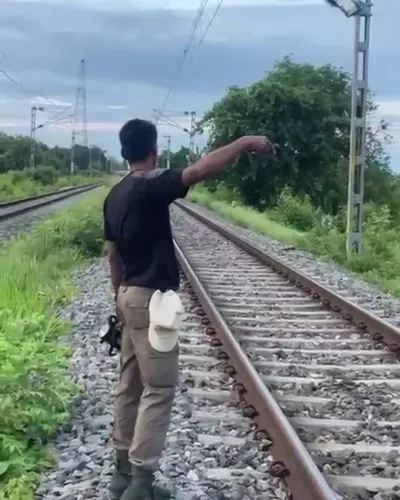
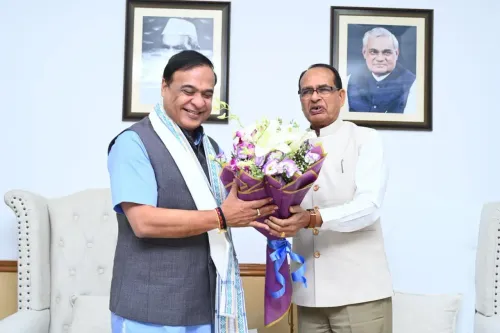
Assam CM Himanta Biswa Sarma shared that India's indigenous Kavach automatic train protection system has been commissioned across 2,569 km of the national rail network, marking a significant step in Indian Railways' phased safety modernisation drive.
Key Takeaways
Kavach, India's indigenous automatic train protection system, has been commissioned on 2,569 km of the Indian Railways network.
The system automatically applies brakes if a train approaches a danger signal or detects another train on the same track ahead.
Kavach was developed and trialled by the Research Designs and Standards Organisation (RDSO) , with initial deployments around 2022 .
The rollout is phased, prioritising high-density corridors, and is part of a broader push to indigenise critical railway safety technology.
India's total rail network exceeds 60,000 km , meaning significant expansion of Kavach coverage remains ahead.
India's railways are getting a safety upgrade that could redefine how trains coexist on the same tracks — and Assam Chief Minister Himanta Biswa Sarma flagged the milestone on Friday, July 31, 2026, sharing that the indigenous Kavach automatic train protection system has now been commissioned across 2,569 km of the national rail network.
What Kavach actually does on the ground
Kavach is an indigenously developed automatic train protection system built to do one thing above all else: stop trains from colliding. It works by continuously monitoring a locomotive's position and speed, automatically applying brakes if a train approaches a signal set to danger or if another train is detected on the same line ahead. The system was developed and trialled by the Research Designs and Standards Organisation (RDSO), with early deployments reported around 2022.
The technology is entirely home-grown — a deliberate push by Indian Railways to reduce dependence on imported safety systems and indigenise critical rail infrastructure. On high-density corridors where trains run at short headways, Kavach functions as an electronic safety net beneath human decision-making.
A phased rollout gaining pace
Indian Railways has pursued Kavach's expansion in phases, prioritising the busiest and most accident-prone stretches of the network. The 2,569 km figure represents the cumulative commissioned length as the rollout continues — a number that will grow as the Ministry of Railways allocates further budget tranches to the programme.
Rail passengers on commissioned routes now travel with an additional layer of automated protection, reducing the risk of human-error-driven collisions. The broader pattern is clear: safety modernisation through indigenous technology is a stated priority, and Kavach is its most visible expression.
What the numbers still need to clear
India's total rail route network spans well over 60,000 km. At 2,569 km commissioned, the rollout covers a fraction of that — meaning the bulk of the network still awaits the system. Budget allocations in upcoming railway plans and the pace of equipment manufacturing will determine how quickly that gap closes. Further route-wise commissioning announcements are expected as the programme scales.
The milestone is real, the ambition is larger. Every kilometre commissioned is one less stretch where a missed signal can turn fatal.
Point of View
569 km is a tangible number to defend in Parliament and on the campaign trail, but the real test is pace — critics have consistently argued that the rollout is too slow relative to the scale of the network and the frequency of rail accidents. CM Himanta amplifying the milestone signals the BJP's intent to keep railway safety visible as a governance achievement. The political pressure to accelerate will only grow as the commissioned figure is measured against the tens of thousands of kilometres still waiting.
NationPress
14 Sept 2026
Frequently Asked Questions
What is Kavach in Indian Railways?
Kavach is an indigenous automatic train protection system developed by Indian Railways that prevents collisions by automatically applying brakes when a train approaches a danger signal or detects another train on the same track.
How many km has Kavach been commissioned on?
Kavach has been commissioned on 2,569 km of the Indian Railways network, according to the latest update shared in July 2026.
Who developed the Kavach system?
Kavach was developed and trialled by the Research Designs and Standards Organisation (RDSO) , the technical arm of Indian Railways, with early deployments reported around 2022.
Does Kavach prevent train accidents?
Kavach is designed to prevent collisions and signal-passing-at-danger incidents by automatically taking over braking if the driver does not respond in time — reducing the risk of human-error-driven accidents.
How much of Indian Railways is covered by Kavach?
With 2,569 km commissioned against a total network of over 60,000 km, Kavach currently covers a fraction of India's rail routes, with phased expansion planned through future budget allocations.