Shekhawat Shares Modi's Words on India's Space Milestones
Synopsis
Union Minister Gajendra Singh Shekhawat shared PM Modi's remarks crediting India's youth with space-scale ambition, citing an Indian citizen's ISS visit and a young startup's recent breakthrough as proof that the country's achievements are no coincidence.
Key Takeaways
Union Culture and Tourism Minister Gajendra Singh Shekhawat shared PM Modi's statement on 20 July 2026 highlighting India's recent achievements.
PM Modi cited an Indian citizen's visit to the International Space Station before the previous monsoon session as a landmark moment.
A young Indian space startup recorded a major achievement around 18 July 2026 , just before the post was published.
India's Space Sector reforms of 2020 opened the industry to private players, enabling startup participation in orbital missions.
PM Modi described the back-to-back milestones as 'not a coincidence' but a strong message about the limitless potential of India's youth.
Parliamentary attention is expected to focus on Gaganyaan crewed flight timelines when the monsoon session convenes.
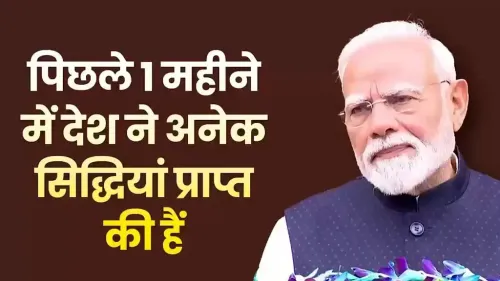
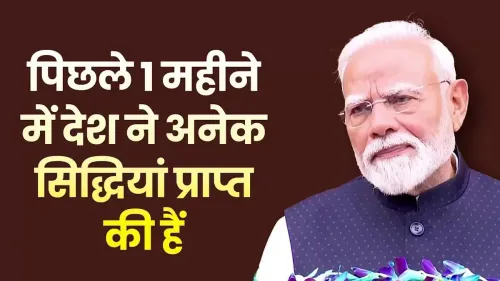
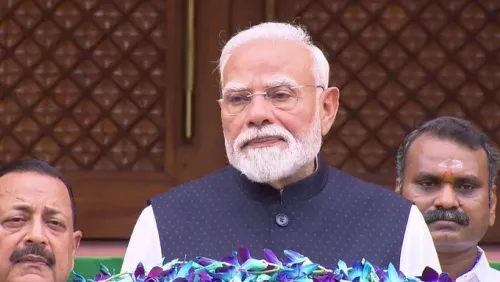
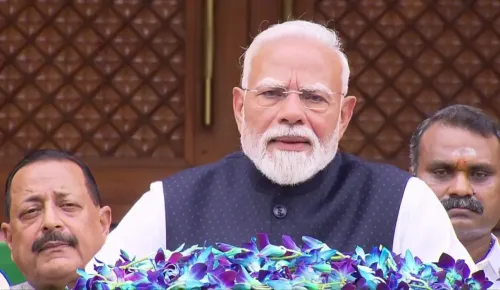
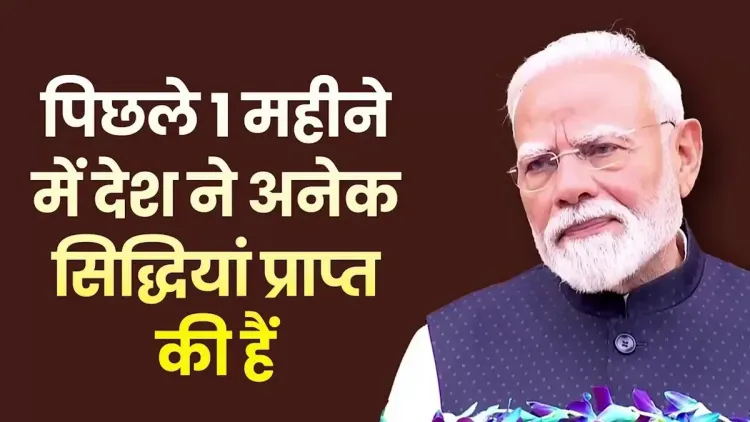
Union Culture and Tourism Minister Gajendra Singh Shekhawat on Monday, 20 July 2026, shared a statement from Prime Minister Narendra Modi on social media, highlighting a series of achievements India has recorded over the past month — culminating in a landmark feat by a young Indian space startup.
Context
In the quoted remarks, PM Modi noted that the past month has seen a string of national and international accomplishments that fill every citizen with pride. He drew a pointed parallel: just as an Indian citizen had reached the International Space Station (ISS) shortly before the previous year's monsoon session of Parliament, a young Indian startup had recorded a major achievement just two days before the post was published — around 18 July 2026. 'ये संयोग नहीं, बल्कि एक बड़ा मजबूत संदेश है' ('This is not a coincidence, but a very strong message'), Modi said, adding that the ambitions and capabilities of India's youth are 'as limitless as space itself.'
Policy Backdrop
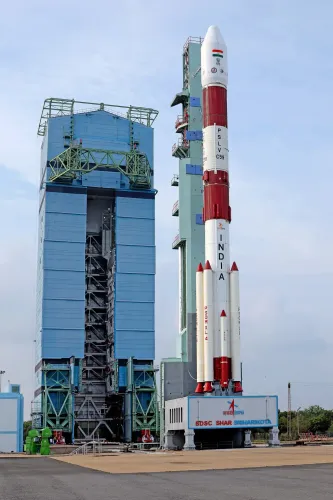
India's space sector has been on a dual track for several years: state-led missions through ISRO on one hand, and a gradually opening private ecosystem on the other. The Space Sector reforms of 2020 were a watershed moment, allowing private companies and startups to participate in launch services and satellite operations for the first time. The Gaganyaan human spaceflight programme, formally announced in 2018, set the broader ambition of sending Indian astronauts into orbit under a national mission framework. Together, these policy moves created the conditions under which private ventures could pursue orbital milestones alongside the national agency.
The regulatory body IN-SPACe (Indian National Space Promotion and Authorisation Centre) was established to facilitate and oversee private participation, providing the authorisation framework that startups now operate under. This architecture has been consistently framed by the government as a vehicle for harnessing the energy and innovation of India's young population.
Stakeholders and Impact
The primary beneficiaries of this policy arc are Indian space startups and the broader community of young engineers, scientists, and entrepreneurs who have entered the sector since its liberalisation. Each high-profile achievement — whether crewed or uncrewed — strengthens investor confidence and public interest in the private space economy. For ISRO, private sector successes complement rather than compete with state missions, expanding the overall capacity of India's space industrial base.
PM Modi's framing of these milestones as a 'strong message' rather than coincidence is also directed at Indian youth more broadly, positioning space achievement as an aspirational benchmark for the next generation of innovators across sectors.
What's Next
Parliamentary attention is expected to turn to updates on the Gaganyaan crewed flight timeline when the monsoon session of Parliament convenes, echoing the pattern Modi himself referenced. New authorisations from IN-SPACe for private launch vehicles are also being closely watched by industry stakeholders. If the momentum of the past month is sustained, India's space sector could enter the monsoon session with renewed legislative and public interest in accelerating both crewed missions and the private launch ecosystem.
Point of View
Minister Shekhawat is participating in a well-established BJP communication strategy: linking discrete technological milestones to a larger narrative of national resurgence under the current government. The timing — just ahead of the monsoon session of Parliament — is unlikely to be accidental, as the ruling party typically enters sessions with a portfolio of achievements to anchor legislative debate. The framing of private startup success alongside state-led missions signals a deliberate effort to broaden ownership of India's space story beyond ISRO alone. Whether this translates into concrete policy announcements — faster Gaganyaan timelines, new IN-SPACe authorisations — will be the real test of the momentum being invoked.
NationPress
21 Jul 2026
Frequently Asked Questions
What achievement did an Indian space startup accomplish in July 2026?
PM Modi's statement, shared by Minister Shekhawat, referred to a major achievement by a young Indian space startup around 18 July 2026. The specific startup and the nature of the milestone were not named in the post, and details remain unverified at the time of publication.
When did an Indian citizen visit the International Space Station?
According to PM Modi's statement quoted in the post, an Indian citizen reached the International Space Station shortly before the monsoon session of Parliament in the previous year, placing the visit around mid-2025. This has not been independently verified from available data.
What are India's Space Sector reforms of 2020?
The Space Sector reforms of 2020 opened India's launch and satellite services to private companies for the first time, enabling startups to participate alongside ISRO. The regulatory body IN-SPACe was created to authorise and promote private sector involvement in space activities.
What is the Gaganyaan programme?
Gaganyaan is India's human spaceflight programme, formally announced in 2018, with the goal of sending Indian astronauts into orbit. It is led by ISRO and represents the state-led pillar of India's broader space ambitions.
Why did Minister Shekhawat share PM Modi's statement about space achievements?
Minister Gajendra Singh Shekhawat shared PM Modi's remarks to highlight a series of national and international accomplishments over the past month, framing them as evidence of the limitless potential of India's youth ahead of the monsoon session of Parliament.