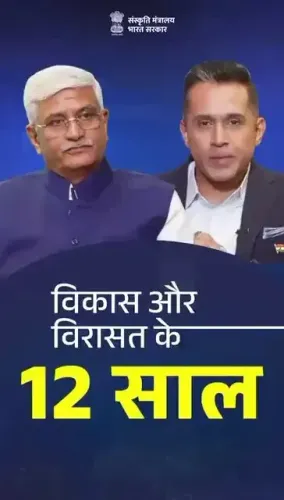
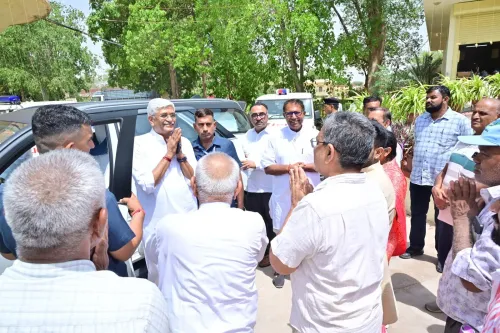
Shekhawat tables tourism push for hill, border states in Rajya Sabha
Synopsis
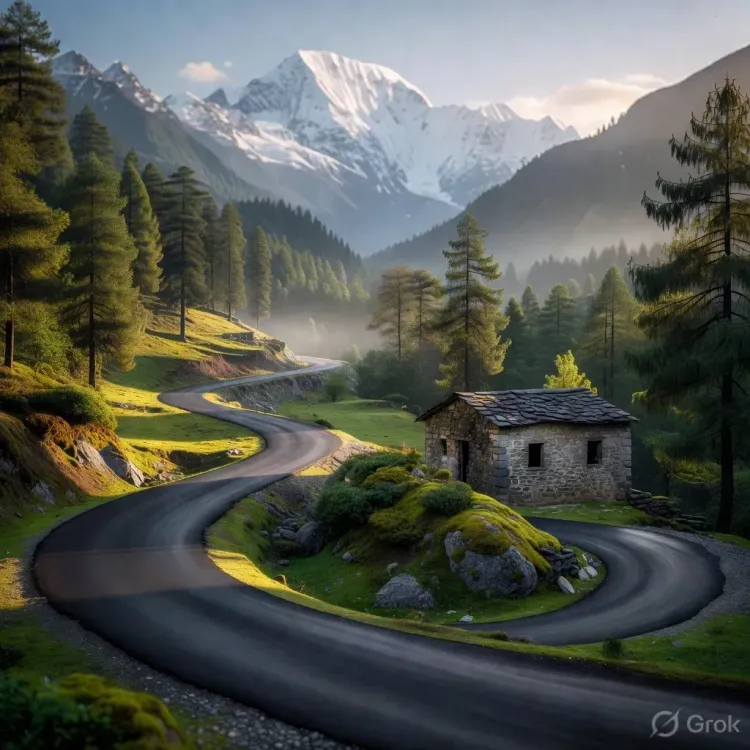
Union Tourism Minister Gajendra Singh Shekhawat answered Rajya Sabha Question No. 196 on 6 August 2026, placing on parliamentary record the Centre's tourism development initiatives for India's hilly and border states, anchored by the Swadesh Darshan scheme's Himalayan and North-East circuits.
Key Takeaways
Union Tourism Minister Gajendra Singh Shekhawat answered Question No.
196 in the Rajya Sabha on 6 August 2026 on tourism development in hilly and border states.
The government's reply is now part of the official parliamentary record, carrying legal and audit weight beyond a routine press statement.
The Swadesh Darshan scheme , launched in 2014-15 , is the Central sector vehicle for funding Himalayan and North-East tourist circuits in these regions.
Tourism infrastructure in border zones serves a dual purpose: economic diversification for remote communities and strategic connectivity in sensitive frontier areas.
The full text of the answer — including project approvals and fund-release data — will be the key document for tracking delivery against the government's stated commitments.
Parliament's upper house became the arena on Thursday, 6 August 2026, for a pointed accounting of how India is building tourism infrastructure in its most strategically sensitive terrain — the mountain and border states that rim the country's frontiers. Union Culture and Tourism Minister Gajendra Singh Shekhawat placed the government's position on record while answering Question No. 196 in the Rajya Sabha, outlining the Centre's initiatives for tourism development in hilly and border regions.
In a post on X, Shekhawat shared the substance of his parliamentary reply, signalling that the government's response to the question — 'पर्वतीय एवं सीमावर्ती राज्यों में पर्यटन विकास को लेकर सरकार की पहल' ('Government initiatives on tourism development in mountain and border states') — was now part of the official parliamentary record.
Swadesh Darshan's role in Himalayan and border circuits
The policy backbone for this push is the Swadesh Darshan scheme, a Central sector programme launched in 2014-15 that funds theme-based tourist circuits across India. The scheme carved out dedicated components for Himalayan and North-East circuits, directing infrastructure investment precisely at the hilly and border states that are the subject of Question 196. Roads, rest-houses, interpretation centres, and last-mile connectivity have all been channelled through its framework.
The strategic logic is twofold: tourism generates economic diversification for communities in remote, high-altitude areas that have few other revenue streams, and improved connectivity in border zones carries obvious national-security value. It is why successive governments — regardless of party — have returned to this combination of tourism and infrastructure spending in Himalayan terrain.
Parliament as a progress-reporting mechanism
Parliamentary questions like No. 196 are one of the most reliable levers opposition and ruling-party members alike use to extract on-the-record data from ministries. A minister's answer in the Rajya Sabha is not a press release — it carries legal weight and can be cited in future debates and audits. By sharing his reply publicly, Shekhawat is placing the ministry's claims squarely in the public domain, inviting scrutiny alongside credit.
The full text of the answer — including any fresh project approvals, fund-release figures, or state-wise breakdowns — will be the document to watch. Those specifics, once tabled, become the benchmark against which delivery is measured.
India's mountain and border states are not waiting for tourism to happen to them — Parliament just put the government's promises in writing.
Point of View
Now over a decade old, remains the government's primary instrument here, suggesting continuity of approach even as political messaging evolves. What the parliamentary record will reveal is whether fund disbursals and project completions match the ambition of the stated initiatives. The real test of this answer will come when opposition members and auditors compare the tabled claims against ground-level delivery in states like Uttarakhand, Himachal Pradesh, Arunachal Pradesh, and Ladakh.
NationPress
20 Sept 2026
Frequently Asked Questions
What is Rajya Sabha Question No. 196 about?
Question No. 196 in the Rajya Sabha pertains to the central government's initiatives for tourism development in India's mountain and border states. Union Tourism Minister Gajendra Singh Shekhawat answered it on 6 August 2026.
What is the Swadesh Darshan scheme?
Swadesh Darshan is a Central sector scheme launched in 2014-15 to develop theme-based tourist circuits across India. It includes dedicated Himalayan and North-East circuits that channel infrastructure investment into hilly and border regions.
Which states benefit from India's hilly and border tourism initiatives?
States in the Himalayan belt — such as Uttarakhand, Himachal Pradesh, Arunachal Pradesh, Sikkim, and the Union Territory of Ladakh — along with North-East states are the primary beneficiaries of these Central tourism development programmes.
Why does India invest in tourism infrastructure in border areas?
Tourism investment in border regions serves two purposes: it diversifies the local economy for communities that have limited livelihood options, and it improves road, digital, and hospitality connectivity in areas of strategic national-security importance.
Where can I read the full text of the Rajya Sabha answer on tourism in hilly states?
The full text of ministerial answers to Rajya Sabha questions is published in the official parliamentary records and the Rajya Sabha website after the session. The answer to Question No. 196 by Minister Shekhawat would be available there once tabled.