Shekhawat Visits Rinchenpong, Highlights West Sikkim Tourism
Synopsis
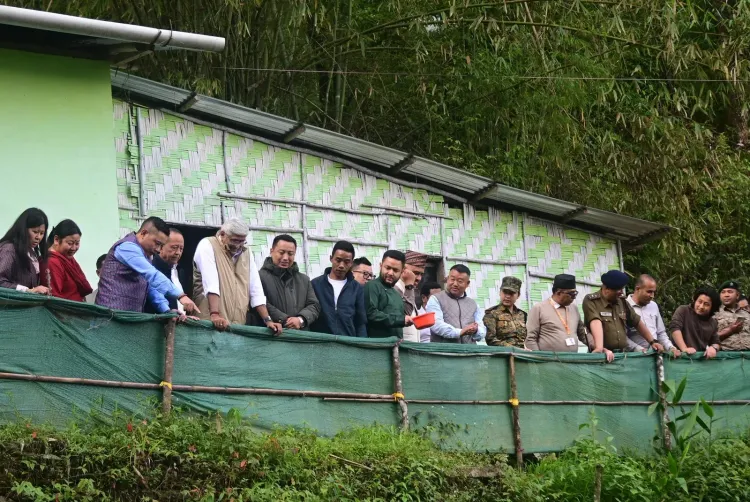
Union Culture and Tourism Minister Gajendra Singh Shekhawat visited Rinchenpong in West Sikkim, describing it as a key cultural centre blending Himalayan scenery with spirituality and eco-tourism, and met local leaders, monks and students to understand the region's development aspirations.
Key Takeaways
Union Culture and Tourism Minister Gajendra Singh Shekhawat visited Rinchenpong , West Sikkim , as part of a regional outreach trip.
He described Rinchenpong as 'an important cultural centre of West Sikkim' offering eco-tourism, trekking, village tourism and spiritual heritage.
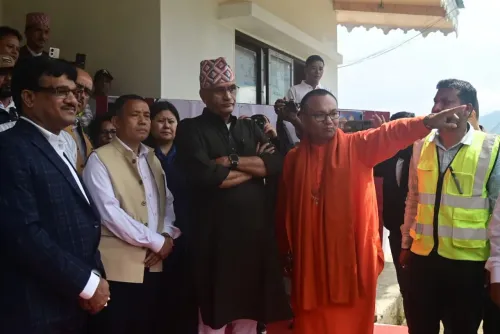
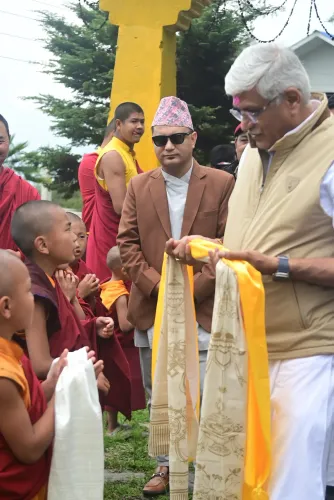
The minister held interactions with local leaders, citizens, monks and students, noting their 'aspirations, energy and strong commitment' to regional development.
The visit aligns with the central government's Swadesh Darshan 2.0 (launched 2022 ) and PRASAD schemes targeting sustainable Himalayan and northeastern tourism.
Sikkim , declared India's first fully organic state in 2016 , is a priority destination under the government's eco and spiritual tourism push.
The post is part two of a three-part thread, suggesting further announcements or observations are forthcoming.
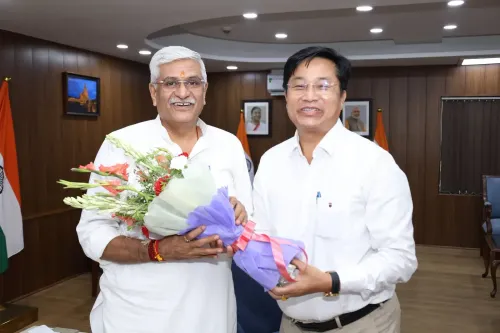
Union Culture and Tourism Minister Gajendra Singh Shekhawat visited Rinchenpong in West Sikkim, engaging with local leaders, citizens, monks and students as part of an outreach to assess the region's cultural and tourism potential. The minister described the town as 'an important cultural centre of West Sikkim' that blends spirituality with nature through mountain landscapes, eco-tourism, trekking routes and village tourism.
Context
Rinchenpong is a small hill town in West Sikkim perched at roughly 1,800 metres above sea level, known for its panoramic Himalayan views, centuries-old Buddhist monasteries and proximity to trekking corridors. The area has drawn increasing attention from tourism planners for its combination of spiritual heritage and ecological richness. Shekhawat noted the region's 'lush green valleys,' 'majestic mountain landscapes' and 'rich local traditions' as assets that define its character.
The minister also described his interactions as 'meaningful,' saying it was 'heartening to witness the aspirations, energy and strong commitment of the people towards the development of the region.' The post is part two of a three-part thread, indicating a broader account of the minister's visit to Sikkim.
Policy Backdrop
The visit fits within the central government's sustained push to develop sustainable tourism in Himalayan and northeastern states. The Ministry of Tourism launched Swadesh Darshan 2.0 in 2022 to fund thematic tourism circuits, with Sikkim among the states earmarked for eco and spiritual tourism development. A companion scheme, PRASAD (Pilgrimage Rejuvenation and Spiritual Augmentation Drive), supports infrastructure at sites of religious significance — relevant to a region dotted with Buddhist monasteries.
Sikkim was declared India's first fully organic state in 2016, a credential that underpins its branding as a clean, sustainable destination. Central ministers have conducted repeated field visits to the state to reinforce the spirituality-nature linkage and position it as a model for responsible mountain tourism under the government's Act East policy framework.
Stakeholders and Impact
Local communities in West Sikkim, Buddhist monasteries, trekking operators and village homestay owners stand to benefit most directly from any follow-up policy action stemming from such ministerial visits. The minister's explicit mention of 'village tourism' and 'eco tourism' signals alignment with community-based models that distribute tourism revenue more broadly rather than concentrating it in urban centres.
Students and monks, whom Shekhawat specifically cited meeting, represent two constituencies with distinct stakes: the younger generation's livelihood prospects and the monastic community's interest in preserving cultural heritage while managing visitor footfall responsibly.
What's Next
The three-part thread suggests Shekhawat may announce specific initiatives or observations in the concluding post. Observers will watch for any follow-up allocation under Swadesh Darshan 2.0 or PRASAD for West Sikkim, as well as parliamentary or budgetary moves to improve connectivity to remote Himalayan tourism corridors. The minister's ground-level engagement with local stakeholders typically precedes formal project announcements or inclusion of new sites in national tourism circuits.
Point of View
Lending political weight to tourism development narratives ahead of potential budgetary cycles. The explicit framing around village tourism, eco-tourism and community aspirations signals an intent to position West Sikkim within the government's broader Act East and sustainable-tourism policy arc. By personally engaging with monks and students — not just officials — the minister projects a grassroots legitimacy that strengthens the case for scheme allocations. Whether the visit translates into concrete project announcements under Swadesh Darshan 2.0 or PRASAD will be the real measure of its policy significance.
NationPress
19 Sept 2026
Frequently Asked Questions
Why did Gajendra Singh Shekhawat visit Rinchenpong in West Sikkim?
Shekhawat visited Rinchenpong as part of a regional outreach to assess its cultural and tourism potential, engaging with local leaders, monks, students and citizens to understand development aspirations.
What is Rinchenpong known for?
Rinchenpong is a hill town in West Sikkim known for panoramic Himalayan views, Buddhist monasteries, trekking routes, village tourism and eco-tourism opportunities.
What is Swadesh Darshan 2.0 and how does it relate to Sikkim?
Swadesh Darshan 2.0 is a Ministry of Tourism scheme launched in 2022 to develop sustainable thematic tourism circuits; Sikkim is among the Himalayan states earmarked for eco and spiritual tourism development under it.
Is Sikkim promoted as an eco-tourism destination by the central government?
Yes. Sikkim was declared India's first fully organic state in 2016 and is actively promoted for sustainable mountain tourism under central schemes including Swadesh Darshan 2.0 and the PRASAD scheme.
What follow-up actions are expected after Shekhawat's West Sikkim visit?
Observers are watching for project announcements under Swadesh Darshan 2.0 or PRASAD for West Sikkim, as well as budgetary or parliamentary moves on Himalayan connectivity and tourism infrastructure.