Shekhawat Reviews Development Projects in Soreng, Sikkim
Synopsis
Union Culture and Tourism Minister Gajendra Singh Shekhawat visited Soreng, Sikkim on 29 May 2026, reviewing development projects, meeting local stakeholders, and inspecting a Khadi manufacturing unit. He highlighted Sikkim's tourism and cultural potential as a model for the wider Northeast under the government's 'Vikas with Virasat' framework.
Key Takeaways
Gajendra Singh Shekhawat completed the second day of his visit to Soreng, Sikkim on 29 May 2026 .
The minister held interactions with local citizens, public representatives, district officials, and MLAs, focusing on developmental progress over the last 12 years .
He visited a Khadi and woollen product manufacturing unit and engaged directly with artisans working to preserve traditional craftsmanship.
Sikkim became India's first fully organic state in 2016 and is presented as a model for sustainable enterprise and eco-tourism.
The visit aligns with the Union government's Act East Policy and schemes such as Swadesh Darshan and PRASAD , which fund tourism infrastructure in the Northeast.
New tourism circuits or Khadi clusters in Sikkim may be announced in the 2026–27 budget cycle following the minister's review.
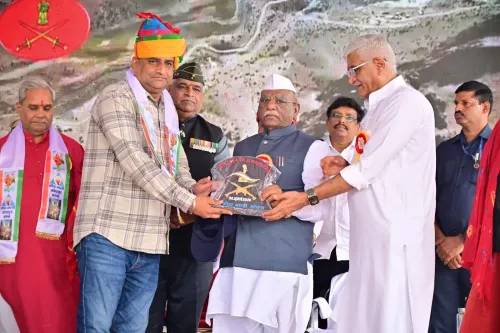
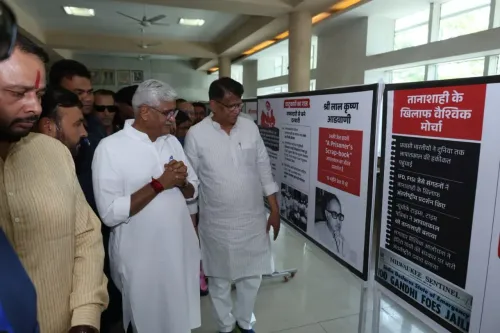
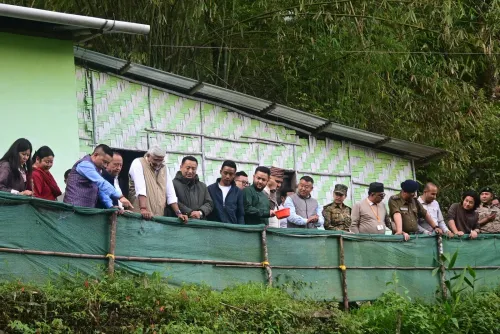
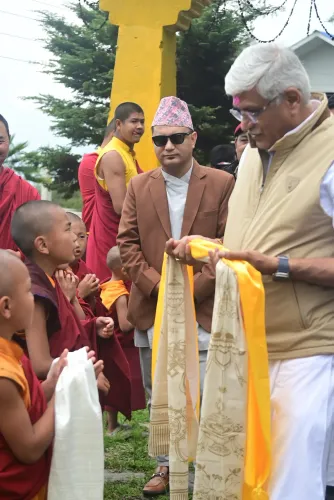
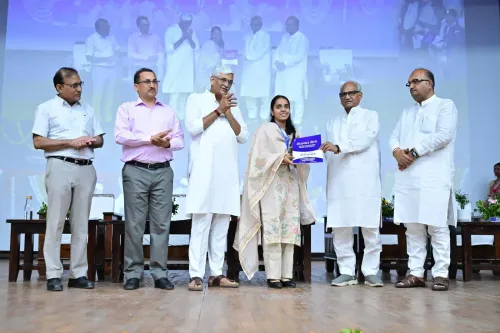
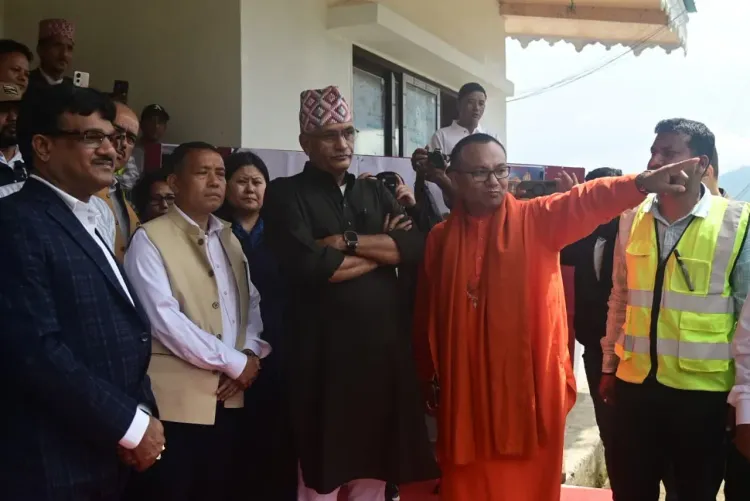
Union Culture and Tourism Minister Gajendra Singh Shekhawat on Friday, 29 May 2026, concluded the second day of his visit to Soreng, Sikkim, holding extensive reviews of developmental projects and engaging with local citizens, public representatives, district officials, and elected MLAs.
Context
The minister's engagements in Soreng — a newly created district in western Sikkim — centred on assessing the progress of ongoing central and state initiatives. Discussions with stakeholders focused on what Shekhawat described as the 'remarkable transformation witnessed across the nation during the last 12 years under the leadership of Prime Minister Narendra Modi, guided by the vision of balancing Vikas with Virasat [Development with Heritage].'
The visit also included an inspection of a Khadi and woollen product manufacturing unit, where the minister interacted directly with artisans and workers. Shekhawat noted that these workers are 'contributing immensely towards strengthening local livelihoods and preserving traditional craftsmanship.'
Policy Backdrop
Khadi, promoted through the Khadi and Village Industries Commission (KVIC), has been a cornerstone of the Union government's rural employment and traditional craft preservation agenda since 2014. Sikkim became India's first fully organic state in 2016, positioning it as a model for sustainable enterprise aligned with national environmental and cultural priorities.
The Union government's Act East Policy, repositioned in 2014, has prioritised connectivity, tourism, and cultural links between India's Northeast and Southeast Asia. Flagship schemes including Swadesh Darshan and PRASAD, launched in 2014–15, have directed tourism infrastructure investment into heritage circuits across northeastern states, including Sikkim.
Stakeholders and Impact
Sikkim's artisan communities, particularly those engaged in Khadi and woollen textile production, stand as direct beneficiaries of increased central attention to the region. The minister's on-ground interaction signals continued policy focus on preserving indigenous crafts while integrating them into the broader tourism and livelihood ecosystem.
Shekhawat highlighted Sikkim's 'immense potential in tourism, culture and sustainable enterprise' as a 'powerful example of the opportunities emerging across the North East.' The framing positions the state's development model as a template replicable across the wider northeastern region, which the minister described as playing 'an increasingly important role in India's development journey.'
What's Next
The visit comes ahead of the 2026–27 budget cycle, during which new tourism circuits or expanded Khadi clusters in Sikkim could be announced through the Ministry of Culture and Tourism. State-central coordination on Northeast tourism infrastructure is expected to intensify following high-level reviews of this nature.
With the Northeast increasingly central to India's cultural diplomacy and domestic tourism push, Soreng's profile as a site of integrated development — combining heritage, enterprise, and eco-tourism — is likely to attract further institutional attention in the months ahead.
Point of View
Designed to reinforce the government's 'Vikas with Virasat' narrative ahead of the 2026–27 budget cycle. By spotlighting Khadi artisans and sustainable enterprise in a newly created district, the visit signals that cultural economy and traditional livelihoods — not just physical infrastructure — are being positioned as pillars of northeastern development. Sikkim's organic and eco-tourism credentials make it a politically convenient showcase for this integrated model. The broader implication is that the Northeast is being groomed as a showcase region for India's cultural diplomacy and domestic tourism ambitions.
NationPress
13 Oct 2026
Frequently Asked Questions
Why did Gajendra Singh Shekhawat visit Soreng in Sikkim?
Shekhawat visited Soreng to review ongoing developmental projects, meet local stakeholders including MLAs and district officials, and inspect a Khadi and woollen product manufacturing unit as part of the Union government's focus on Northeast development.
What is 'Vikas with Virasat' that Shekhawat mentioned?
'Vikas with Virasat' — meaning 'Development with Heritage' — is the guiding framework articulated by the Union government under Prime Minister Narendra Modi, aimed at pursuing economic growth while preserving India's cultural and traditional identity.
What is the significance of Khadi in Sikkim?
Khadi and woollen textile production supports local livelihoods and preserves traditional craftsmanship in Sikkim. The Khadi and Village Industries Commission promotes such units across rural India as part of employment and heritage conservation efforts.
What schemes has the Union government run for tourism in Sikkim?
The Union government's Swadesh Darshan and PRASAD schemes, launched in 2014–15, have funded tourism infrastructure and heritage circuits in Sikkim and other northeastern states under the broader Act East Policy.
What is Soreng district in Sikkim?
Soreng is a newly created district in western Sikkim that has become a focus of central and state developmental initiatives, combining infrastructure investment with cultural and sustainable enterprise programmes.