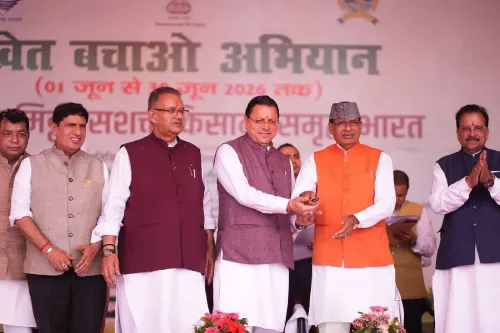
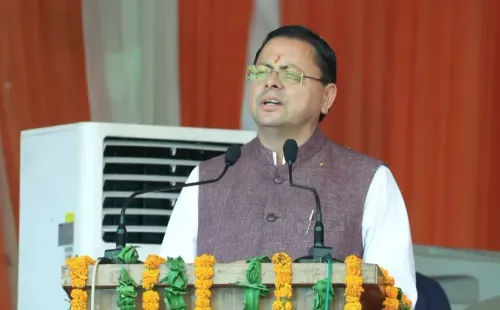
Shekhawat attends natural farming meet in Dharampur, Uttarakhand
Synopsis
Union Minister Gajendra Singh Shekhawat attended a natural and organic farming conference in Dharampur, Uttarakhand, on 13 June 2026, discussing PM Modi-backed sustainable agriculture policies and the BJP's 'double engine' push to make farmers self-reliant.
Key Takeaways
Gajendra Singh Shekhawat addressed a 'Natural and Organic Farming Conference' in Dharampur Vidhan Sabha , Uttarakhand , on 13 June 2026 .
Discussions focused on promoting natural farming, raising farmer incomes, and agriculture reforms under PM Narendra Modi .
The 'double engine government' framework — BJP ruling both at the Centre and in Uttarakhand — was cited as a driver for coordinated farm policy.
The central Paramparagat Krishi Vikas Yojana (PKVY) , launched in 2015 , underpins the organic and natural farming push in states like Uttarakhand.
The event was tagged under #12YearsOfSeva , linking it to the BJP's nationwide outreach campaign marking 12 years in power at the Centre.
Follow-up measures such as new natural farming clusters and state budget allocations for Uttarakhand farmers are being watched.
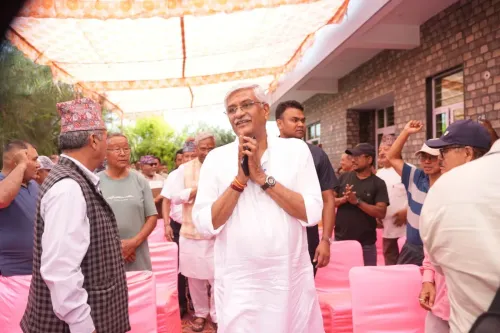
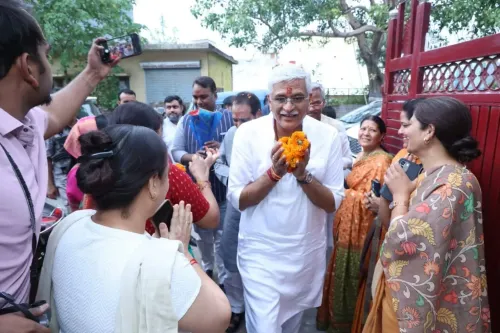
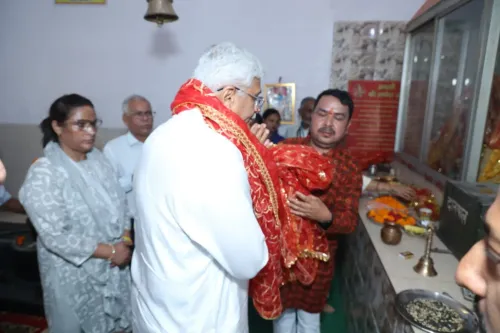
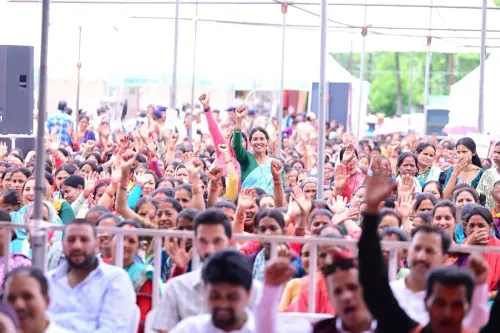
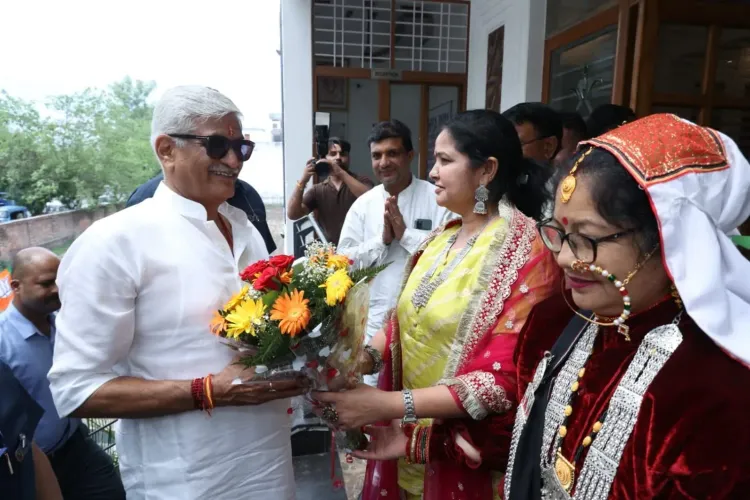
Union Culture and Tourism Minister Gajendra Singh Shekhawat attended a 'Natural and Organic Farming Conference' (Prakritik evam Jaivik Kheti Sammelan) organised in the Dharampur Vidhan Sabha constituency of Uttarakhand on Saturday, 13 June 2026, engaging with farmers, party workers, and community leaders on sustainable agriculture.
Posting about the event on X, Shekhawat wrote that discussions covered promoting natural farming, raising farmers' incomes, and 'the positive changes in the agriculture sector under the leadership of Prime Minister Narendra Modi.' He added that the Uttarakhand 'double engine government' — referring to the alignment of the BJP administration at the Centre and in the state — is committed to making farming 'more prosperous, sustainable, and environment-friendly' so that farmers become self-reliant (aatmanirbhar).
Context
The Dharampur conference brought together farmers and civil-society members to discuss a shift away from input-intensive cultivation toward low-cost, ecology-sensitive methods. Uttarakhand, a Himalayan state with fragile soils and a large proportion of small and marginal farmers, has been identified as a priority region for natural farming outreach by both the state and central governments.
Shekhawat, while primarily responsible for the Culture and Tourism portfolio, is also a senior BJP leader who regularly participates in party and government outreach on rural and agricultural issues, particularly in northern India.
Policy Backdrop
The push for natural farming has a clear policy lineage at the Centre. The Paramparagat Krishi Vikas Yojana (PKVY), launched in 2015 by the Ministry of Agriculture, funds organic clusters and certification support across states. Prime Minister Modi has publicly championed zero-budget natural farming methods — associated with agronomist Subhash Palekar — in multiple addresses since 2019, including at a dedicated National Conclave on Natural Farming.
These initiatives are framed within the government's broader Atmanirbhar Bharat agenda, which links soil-health restoration, reduced dependence on chemical inputs, and climate resilience with the goal of doubling farmers' incomes.
Stakeholders and Impact
Uttarakhand's farming community — predominantly small landholders in hilly terrain — stands to benefit from lower input costs and premium market access that certified organic and natural produce can command. Organic farming groups and Farmer Producer Organisations (FPOs) in the state have been active in building supply chains for natural produce to urban and export markets.
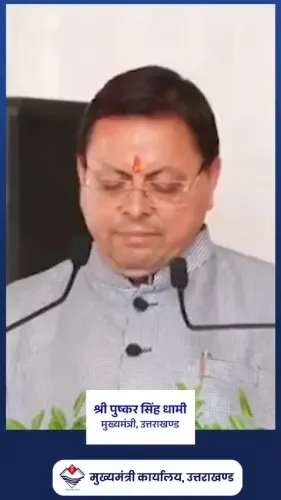
The 'double engine' framing signals that both the state government under Chief Minister Pushkar Singh Dhami and the central government are expected to coordinate on scheme implementation, budget allocations, and extension services for natural farming clusters in the region.
What's Next
Attention will now turn to whether the Dharampur conference translates into concrete follow-up measures — such as the expansion of natural farming clusters under PKVY, dedicated line items in Uttarakhand's agriculture budget, or new central scheme guidelines targeting Himalayan states. The #12YearsOfSeva hashtag used by Shekhawat indicates the event was also part of the BJP's broader outreach campaign marking the party's twelve years in government at the Centre, suggesting similar conferences may be held across other constituencies.
Point of View
Making both accountable to the same voter base. Tagging the event under #12YearsOfSeva signals that natural farming outreach is being consciously woven into the party's anniversary narrative, not just treated as standalone policy communication. For Uttarakhand, a state where ecology and agriculture are deeply intertwined, the sustained emphasis on low-input farming also carries electoral resonance with a rural electorate sensitive to land and water sustainability.
NationPress
13 Sept 2026
Frequently Asked Questions
What is the natural farming conference held in Dharampur Uttarakhand?
The 'Prakritik evam Jaivik Kheti Sammelan' (Natural and Organic Farming Conference) was an event organised in the Dharampur Vidhan Sabha constituency of Uttarakhand on 13 June 2026, where Union Minister Gajendra Singh Shekhawat interacted with farmers, workers, and community leaders on sustainable agriculture.
What is the 'double engine government' in Uttarakhand?
The 'double engine government' is a BJP political phrase referring to the alignment of the party's government at the Centre (led by PM Narendra Modi) and in Uttarakhand (led by CM Pushkar Singh Dhami), implying coordinated policy delivery for the state.
What is Paramparagat Krishi Vikas Yojana?
The Paramparagat Krishi Vikas Yojana (PKVY) is a central government scheme launched in 2015 by the Ministry of Agriculture to promote organic farming clusters, provide certification support, and reduce chemical input dependency among Indian farmers.
Why is Gajendra Singh Shekhawat attending an agriculture event?
Although Shekhawat holds the Culture and Tourism portfolio, he is a senior BJP leader and Lok Sabha MP who regularly participates in party outreach programmes on rural and agricultural issues as part of the BJP's broader political engagement.
What is zero-budget natural farming promoted by PM Modi?
Zero-budget natural farming is an agricultural method associated with agronomist Subhash Palekar that eliminates purchased inputs like chemical fertilisers and pesticides, relying instead on locally available biological inputs. PM Modi publicly endorsed it from 2019 onward at national-level agriculture conclaves.