Shekhawat Visits Acharya Bhikshu Samadhi Sthal in Pali
Synopsis
Union Culture and Tourism Minister Gajendra Singh Shekhawat visited the Acharya Bhikshu Samadhi Sthal Sansthan at Siriyari in Pali, Rajasthan, calling the 18th-century Terapanth Jain founder an inspiration for human welfare. The visit underscores the Ministry's continued engagement with Jain heritage sites in Rajasthan.
Key Takeaways
Gajendra Singh Shekhawat , Union Culture and Tourism Minister, visited the Acharya Bhikshu Samadhi Sthal Sansthan at Siriyari, Pali district, Rajasthan .
Acharya Bhikshu (1726–1803) founded the Terapanth sect of Svetambara Jainism and is venerated for teachings on non-violence and human welfare.
The minister met Abhishek Bhai Dugad , a working committee member of the sansthan, and other institutional associates.
The Ministry of Culture has supported Jain heritage sites in Rajasthan through schemes including HRIDAY and Swadesh Darshan since 2014–15 .
The visit may signal future policy attention toward inclusion of Siriyari in central tourism circuits or heritage conservation funding.
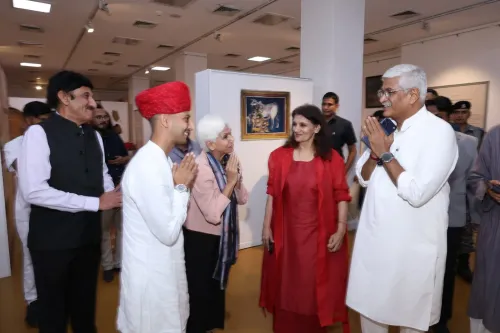
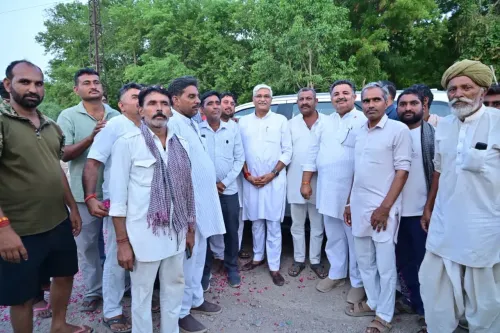
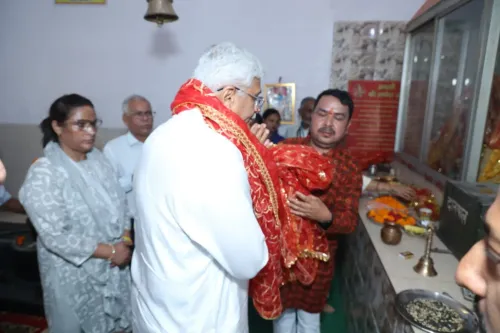
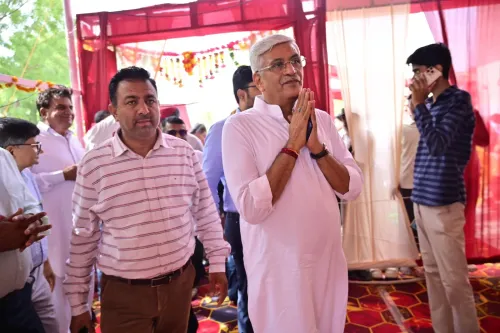
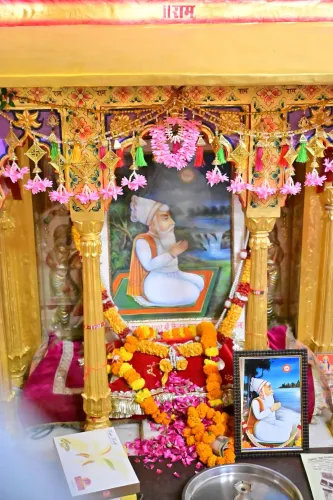
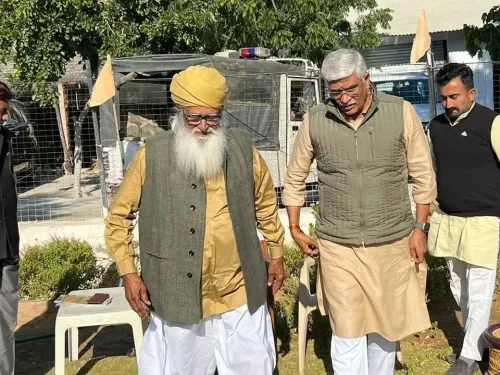
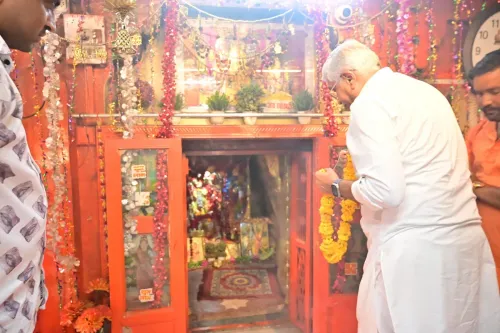
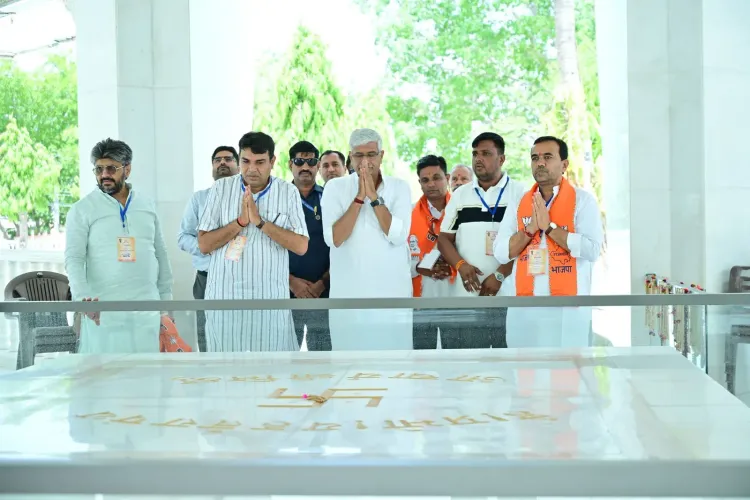
Union Culture and Tourism Minister Gajendra Singh Shekhawat visited the Acharya Bhikshu Samadhi Sthal Sansthan at Siriyari in Pali district, Rajasthan, on Tuesday, 27 May 2026, paying his respects at the samadhi of the revered Jain saint and founder of the Terapanth sect.
Context
Posting on X, Shekhawat described the visit as a moment of spiritual privilege, writing: 'Pali ke Siriyari sthit Acharya Bhikshu Samadhi Sthal Sansthan pahunchkar samadhi darshan ka saubhagya prapt hua' ('I had the good fortune of visiting the Acharya Bhikshu Samadhi Sthal Sansthan at Siriyari in Pali and offering my respects at the samadhi'). He added that Acharya Bhikshu is an inspiration for human welfare and expressed gratitude for the warm welcome extended by members of the institution.
The minister noted a meeting with Abhishek Bhai Dugad, a member of the institution's working committee, along with other associates of the sansthan. He described the reception as deeply heartfelt.
Who Was Acharya Bhikshu
Acharya Bhikshu (1726–1803) was an 18th-century Jain monk who founded the Terapanth sect of Svetambara Jainism. His teachings centred on strict non-violence, self-discipline, and the welfare of all living beings. The Siriyari samadhi sthal in Pali district is the principal site of his final resting place and serves as a major pilgrimage destination for the Terapanth Jain community across India and abroad.
Pali district holds considerable Jain heritage significance, with several ancient temples and monastic sites drawing religious tourists from across the country. The Terapanth sect, headquartered at Ladnun in Nagaur district, maintains close institutional ties with the Siriyari sansthan.
Policy Backdrop
The Ministry of Culture has, since 2014–15, supported preservation and development of religious heritage sites — including Jain locations — through centrally sponsored schemes such as HRIDAY (Heritage City Development and Augmentation Yojana) and Swadesh Darshan. Rajasthan, with its dense concentration of Jain pilgrimage sites, has been a recurring focus of these initiatives.
Shekhawat, himself a Jodhpur MP, has maintained active engagement with cultural and religious institutions in western Rajasthan since assuming charge of the Culture and Tourism portfolio. Such ministerial visits to heritage sites frequently align with the government's broader push to promote domestic pilgrimage tourism and document indigenous religious traditions.
Stakeholders and Impact
The visit carries significance for the Jain community, particularly followers of the Terapanth sect, who regard the Siriyari samadhi sthal as a sacred centre. For the institution's managing committee, a visit by the Union Culture Minister signals potential policy attention toward the site's conservation and tourism infrastructure.
Religious tourism stakeholders in Rajasthan are likely to note the visit as consistent with the Centre's emphasis on integrating pilgrimage circuits into mainstream tourism planning. The Pali district administration and local heritage managers may see it as an opening for dialogue on central funding under existing cultural schemes.
What's Next
Observers will watch for any follow-up announcements from the Ministry of Culture and Tourism regarding the inclusion of Siriyari or similar Pali-based sites in central tourism circuits or heritage conservation projects. Budgetary allocations in forthcoming ministry statements will indicate whether the visit translates into tangible policy support for this and related Jain heritage locations in Rajasthan.
Point of View
A state where the community holds both social and electoral weight. The Culture Ministry's existing toolkit — HRIDAY, Swadesh Darshan — gives such visits a plausible policy follow-through, making them more than ceremonial. For the Terapanth institution at Siriyari, a ministerial visit is a soft signal that central heritage funding conversations may be on the horizon. The broader arc here is the government's sustained effort to weave indigenous religious traditions into the national tourism and cultural identity narrative.
NationPress
10 Oct 2026
Frequently Asked Questions
Who is Acharya Bhikshu and why is Siriyari important?
Acharya Bhikshu (1726–1803) was the founder of the Terapanth sect of Svetambara Jainism, known for his teachings on non-violence and human welfare. Siriyari in Pali district, Rajasthan , is the site of his samadhi and a major pilgrimage destination for Terapanth Jains.
Why did Gajendra Singh Shekhawat visit Siriyari?
Gajendra Singh Shekhawat , Union Culture and Tourism Minister, visited the Acharya Bhikshu Samadhi Sthal Sansthan in Siriyari to pay his respects at the samadhi and meet members of the institution's working committee.
What is the Terapanth sect of Jainism?
The Terapanth sect is a reform movement within Svetambara Jainism, founded by Acharya Bhikshu in the 18th century. It emphasises strict non-violence, monastic discipline, and social welfare, and is headquartered at Ladnun, Nagaur district, Rajasthan .
Does the Union government fund Jain heritage sites in Rajasthan?
Yes, the Ministry of Culture has supported religious heritage sites including Jain locations in Rajasthan through schemes such as HRIDAY and Swadesh Darshan since 2014–15 .
Could Siriyari be included in a central tourism circuit?
It is possible. Ministerial visits to heritage sites often precede policy discussions on their inclusion in central tourism circuits. Observers will watch for future Ministry of Culture and Tourism announcements on Pali district sites.