Mumbai flood preparedness: Shelar orders integrated plan for Railways, BMC, BEST
Synopsis
With Mumbai's monsoon around the corner, Guardian Minister Ashish Shelar has pushed for something the city has long needed but rarely achieved: a single, coordinated emergency plan binding Railways, BMC, BEST, Metro, and District Collectorates together. From pump deployment to CCTV linkage to structural audits of station bridges, the directive is unusually specific — the question is whether execution matches the ambition.
Key Takeaways
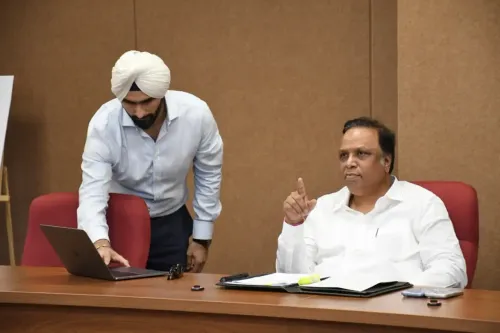
Ashish Shelar , Mumbai Suburban Guardian Minister, chaired a pre-monsoon review meeting on 13 June covering Railways, BMC, BEST, Metro, and District Collectorates.
An integrated emergency plan covering crowd management, passenger evacuation, traffic easing, and food-water supply for stranded commuters has been mandated.
Western Railway has deployed 126 pumps and removed 2,400 wagon-loads of silt; 15 micro-tunnels built between Churchgate and Virar .
Central Railway has deployed 220 pumps and cleaned 160 drains across its 350-km network.
Structural audits ordered for pedestrian and vehicular bridges and hoardings at station precincts.
Rehabilitation report sought for residents of 24 dilapidated buildings near Masjid Bunder within railway jurisdiction.
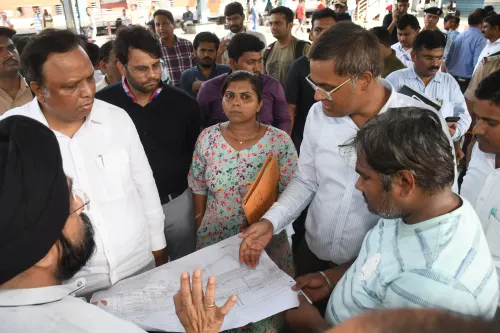
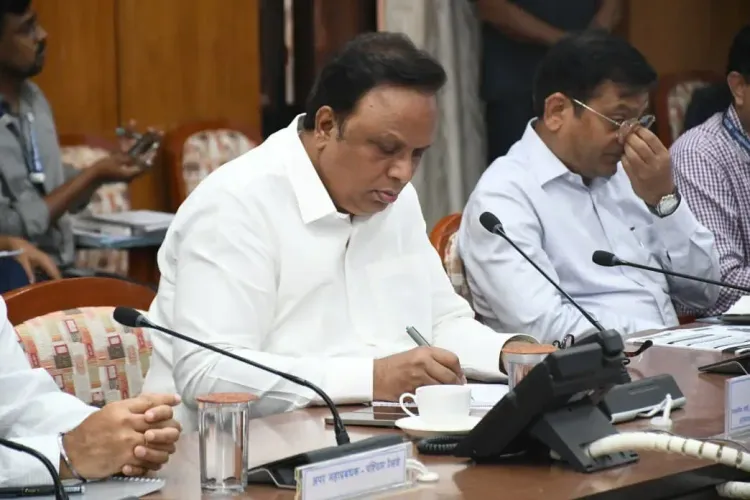
Ashish Shelar, Mumbai Suburban Guardian Minister in the Maharashtra government, on Saturday, 13 June directed the Railways, Brihanmumbai Municipal Corporation (BMC), BEST, District Collectorates, Metro authorities, and all other concerned agencies to prepare a unified emergency response plan and operate in close coordination ahead of the monsoon season. The directive came during a review meeting on desilting works and pre-monsoon preparedness across railway areas in Mumbai.
What the Integrated Plan Must Cover
Shelar instructed that the integrated emergency plan address crowd management at railway stations, evacuation of passengers from overcrowded platforms, easing of traffic congestion on adjoining roads, and provision of food and drinking water to stranded commuters. He further directed that CCTV surveillance systems, public announcement mechanisms, and emergency control rooms of all agencies be linked and coordinated in real time.
The minister also called for structural audits of pedestrian bridges inside and outside railway stations, vehicular bridges, and hoardings located within station precincts. An integrated pump deployment plan — covering equipment belonging to both the Railways and the BMC — was also mandated.
Dilapidated Buildings: A Parallel Concern
Shelar directed officials to prepare a detailed rehabilitation report for residents living in 24 dilapidated and dangerous buildings, as well as certain slum structures located within railway jurisdiction in and around Masjid Bunder. The report is to be submitted to the government for further action — a directive that underscores the dual challenge Mumbai faces: managing flood risk while addressing the vulnerability of those living in structurally unsafe structures near rail corridors.
What Railways Have Done So Far
Western Railway informed the meeting that a total of 15 micro-tunnels have been constructed beneath railway tracks between Churchgate and Virar to facilitate water drainage, of which four have been completed this year. The number of pumps deployed for dewatering has been increased to 126, and approximately 2,400 wagon-loads of silt have been removed, according to a press release from the minister's office.
Central Railway has scaled up its pump deployment to 220 units and completed cleaning of 160 drains and gutters along its 350-kilometre network. CCTV cameras and rain gauges have been installed across both railway corridors.
Key Infrastructure Upgrades Underway
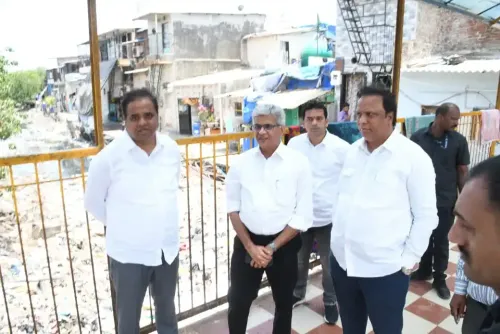
Railway officials highlighted that the deepening and widening of the Usha Nagar drain at Kanjurmarg and the Brahmanwadi drain at Kurla are expected to significantly improve water discharge capacity during heavy rainfall events. Representatives from both the Railways and the BMC acknowledged that inter-agency coordination has improved markedly compared to previous years.
With Mumbai's monsoon season imminent, the onus now falls on these agencies to translate directives into an operational, real-time response framework before the first heavy rains arrive.
Point of View
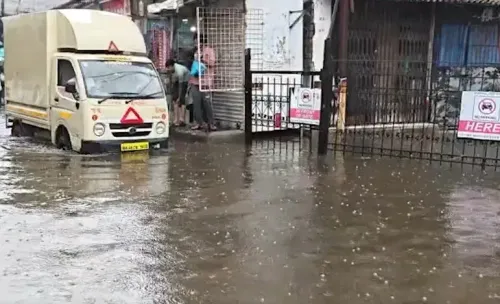
Yet flooding at Hindmata, Kurla, and Andheri recurs with near-clockwork regularity. What is different this time is the specificity of Shelar's directives — CCTV linkage, integrated pump deployment, structural audits — rather than generic calls for 'better coordination.' Whether these translate into a live operational protocol or remain on paper will be the real test. The Brahmanwadi and Usha Nagar drain upgrades, if completed on schedule, could make a measurable difference at two chronic flood points. But the inclusion of the Masjid Bunder building rehabilitation in the same meeting signals that Mumbai's monsoon vulnerability is inseparable from its housing crisis — a problem no pump deployment plan alone can solve.
NationPress
27 Oct 2026
Frequently Asked Questions
What is the integrated flood plan that Minister Ashish Shelar has directed for Mumbai?
It is a unified emergency response framework mandated by Mumbai Suburban Guardian Minister Ashish Shelar on 13 June, requiring Railways, BMC, BEST, Metro, and District Collectorates to coordinate on crowd management, passenger evacuation, traffic easing, and relief supply during flood-like situations. The plan also calls for linked CCTV systems, public announcement networks, and joint pump deployment.
What pre-monsoon work has Western Railway completed in Mumbai?
Western Railway has constructed 15 micro-tunnels beneath tracks between Churchgate and Virar for drainage, completed four of them this year, deployed 126 pumps for dewatering, and removed approximately 2,400 wagon-loads of silt ahead of the monsoon.
How has Central Railway prepared for the Mumbai monsoon?
Central Railway has deployed 220 pumps, cleaned 160 drains and gutters along its 350-kilometre network, and installed CCTV cameras and rain gauges across its railway corridors.
Why are the Usha Nagar and Brahmanwadi drains significant for Mumbai flooding?
The deepening and widening of the Usha Nagar drain at Kanjurmarg and the Brahmanwadi drain at Kurla are expected to significantly improve water discharge capacity during heavy rains, addressing two areas that have historically experienced severe waterlogging.
What is the status of dilapidated buildings near Masjid Bunder?
Minister Shelar has directed officials to prepare a detailed rehabilitation report for residents of 24 dilapidated and dangerous buildings, along with certain slum structures within railway jurisdiction in and around Masjid Bunder, to be submitted to the government for further action.