Drug-free Karnataka by 2028: Shivakumar urges parents to report children's addiction
Synopsis
Karnataka CM D.K. Shivakumar has put a year on it — drug-free Karnataka by 2028. Beyond the pledge, he broke new ground by urging parents to stop hiding children's addiction and announcing a police reward scheme for informants, while flagging drugs being smuggled inside pan masala and gutka as a fast-growing threat.
Key Takeaways
Shivakumar set a drug-free Karnataka by 2028 target at an event in Bengaluru on 30 June 2026 .
Parents were urged not to conceal children's drug addiction; police will keep the identities of affected children confidential .
A new cash reward scheme will be introduced for citizens who provide credible information about drug trafficking.
Narcotic substances worth ₹89 crore were destroyed over the past three years under former Home Minister G.
Police flagged drugs being mixed into pan masala and gutka and distributed via home delivery as emerging threats.
A WHO report cited by Shivakumar puts annual tobacco-related deaths in India at 13–14 lakh .
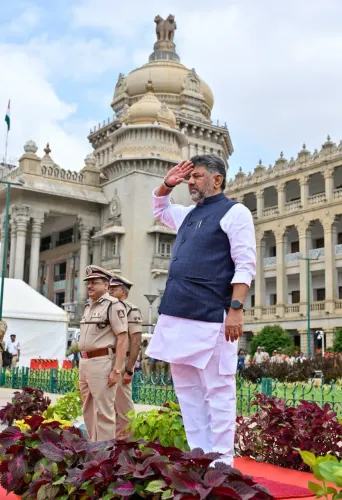
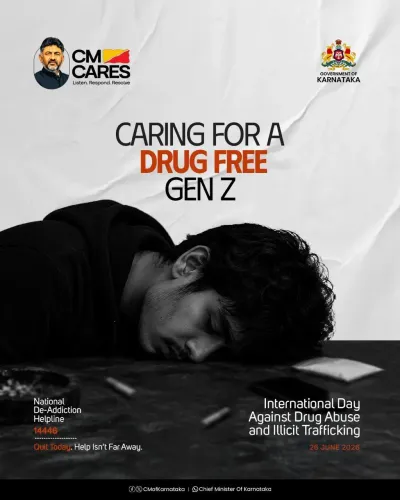
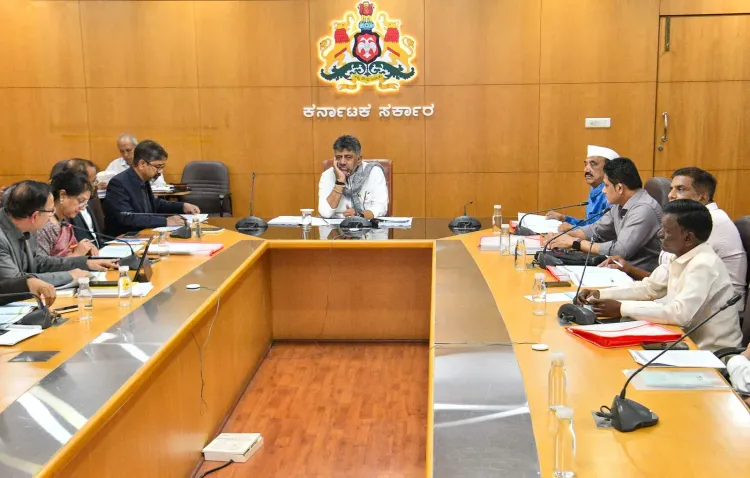
Karnataka Chief Minister D.K. Shivakumar on Tuesday, 30 June 2026, set a firm state target of achieving a drug-free Karnataka by 2028, calling on citizens, students, and youth to partner with the government in dismantling the narcotics trade. Speaking at the Kanteerava Indoor Stadium in Bengaluru, Shivakumar inaugurated the International Day Against Drug Abuse and Illicit Trafficking-2026 programme organised by the Karnataka Police.
Chief Minister's Core Message
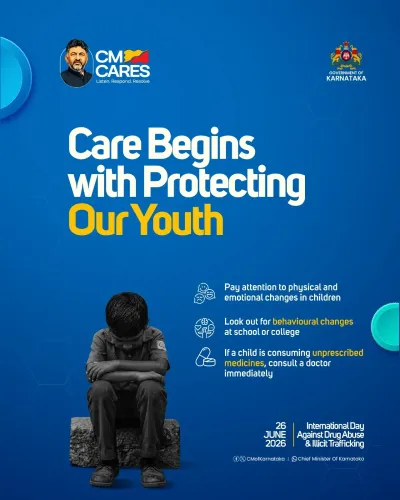
Shivakumar anchored his address on a single, pointed appeal to families: stop hiding children's drug addiction out of fear of social stigma. 'Parents should not hide their children's drug addiction fearing loss of social reputation. The longer such problems are concealed, the greater the damage to the child's future,' he said. He assured that the police department had been instructed to keep the identities of affected children strictly confidential.
The Chief Minister also framed the campaign around a public motto — 'Quit drugs, choose happiness' — urging young people to build resilience against peer pressure and maintain both physical and mental strength.
New Reward Scheme for Informants
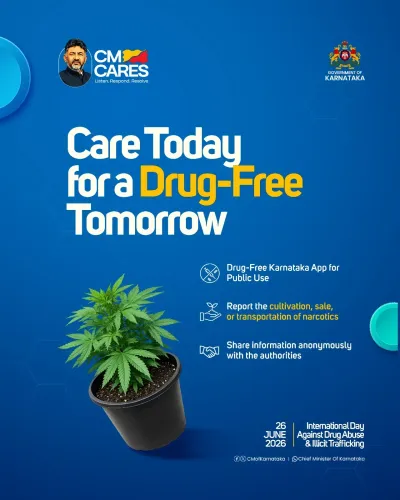
In a significant policy announcement, Shivakumar revealed that the government would introduce a cash reward system for members of the public who provide credible, confidential information about drug consumption or trafficking. The scheme is designed to help authorities dismantle supply networks at the grassroots level. Details of the reward amounts were not disclosed at the event.
Enforcement Record and Emerging Threats
Highlighting the state's enforcement track record, Shivakumar said narcotic substances worth ₹89 crore had been seized and destroyed over the past three years under the leadership of former Home Minister G. Parameshwara. He credited senior police officers, constables, and field personnel for dismantling drug networks across the state.
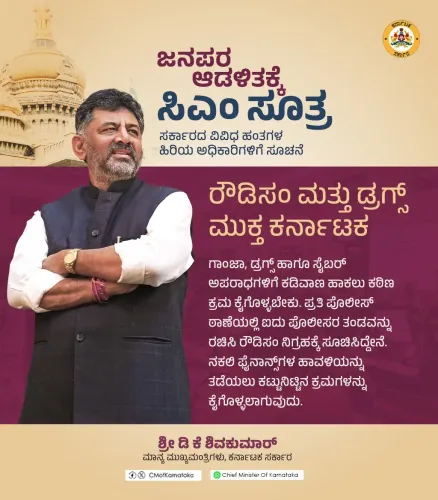
The Chief Minister also flagged two worrying new trends that police had brought to the government's attention: intoxicating substances being mixed into pan masala and gutka products, and drugs being delivered to consumers via phone-arranged home delivery. 'I have made it clear that strict action will be taken against anyone found mixing narcotic substances with pan masala or gutka,' he said, adding that Home Minister Priyank Kharge was leading enforcement efforts firmly.
Scale of the Crisis
Citing a World Health Organization (WHO) report, Shivakumar noted that nearly 13 to 14 lakh people die every year in India due to tobacco consumption alone — underlining the broader public health stakes of substance abuse. He pointed out that Karnataka annually produces nearly 19,940 doctors, over one lakh nurses, and thousands of engineers, making the protection of its youth a matter of national consequence.
Institutional Mechanisms Already in Place
Shivakumar noted that a Student Policing system had already been rolled out in schools and colleges to build awareness among young people. A dedicated task force had also been constituted earlier under the then Home Minister to address drug abuse and related unlawful activity. He urged all elected representatives to actively join the drug-free movement, describing the police as 'an extension of every family' working for societal welfare, not against it.
With the 2028 deadline now publicly committed, the Karnataka government faces the test of translating a high-profile campaign into measurable outcomes — particularly on supply-side enforcement and rehabilitation infrastructure.
Point of View
No measurable intermediate targets, and no independent monitoring body were announced alongside it. The reward scheme for informants is a practical idea, but its credibility depends entirely on witness protection, which the Chief Minister only gestured at with a promise of confidentiality. Most telling is the pan masala and gutka angle: if drugs are entering the mainstream supply chain of legal consumer products, the enforcement challenge is far larger than street-level policing. Karnataka's drug problem is also not uniformly distributed — border districts and coastal belts face different pressures than Bengaluru's urban corridors, and a single statewide campaign risks missing that geography entirely.
NationPress
29 Sept 2026
Frequently Asked Questions
What is Karnataka's drug-free target and when was it announced?
Karnataka Chief Minister D.K. Shivakumar announced on 30 June 2026 that the state government aims to make Karnataka drug-free by 2028. The declaration was made at the International Day Against Drug Abuse and Illicit Trafficking-2026 programme organised by the Karnataka Police at the Kanteerava Indoor Stadium in Bengaluru.
Why is Shivakumar urging parents to report their children's drug addiction?
Shivakumar said parents often conceal their children's substance abuse out of fear of social stigma, which delays intervention and worsens outcomes. He assured that the Karnataka Police has been instructed to keep the identities of affected children strictly confidential, removing a key barrier for families seeking help.
What is the new reward scheme for drug informants in Karnataka?
The Karnataka government has announced that members of the public who provide credible, confidential information about drug consumption or trafficking will be rewarded by the police department. The scheme is aimed at dismantling supply networks, though specific reward amounts were not disclosed at the event.
How much in drugs has Karnataka seized and destroyed in recent years?
Narcotic substances worth ₹89 crore were seized and destroyed over the past three years under the leadership of former Home Minister G. Parameshwara. Shivakumar credited senior police officers and field personnel for their role in dismantling drug networks across the state.
What new drug-supply methods has the Karnataka government flagged?
Karnataka Police has informed the government that intoxicating substances are being mixed into pan masala and gutka products, and that drugs are increasingly being supplied to consumers through phone-arranged home delivery. Shivakumar warned of strict action against those found adulterating consumer products with narcotics.