Shivraj Singh Chouhan pays tribute on Partition Horrors Remembrance Day
Synopsis
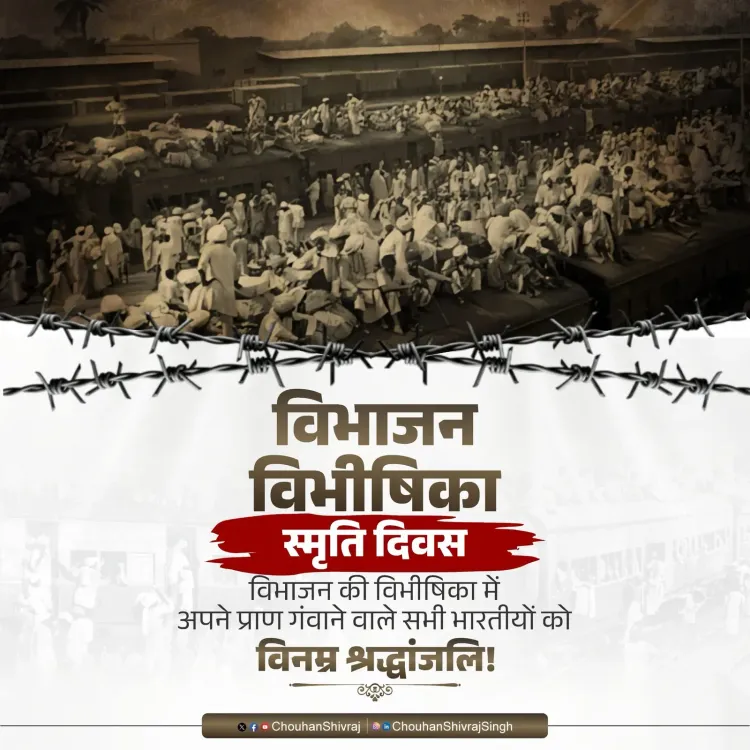
Union Agriculture Minister Shivraj Singh Chouhan marked Partition Horrors Remembrance Day on 14 August 2026, paying tribute to millions killed and displaced in the 1947 Partition and urging Indians to commit to national unity and social harmony.
Key Takeaways
Union Agriculture Minister Shivraj Singh Chouhan posted a solemn tribute on Partition Horrors Remembrance Day, 14 August 2026 .
He described 14 August 1947 as 'a dark chapter of barbarity and horror in world history' caused by political interests rooted in religious division.
The minister paid homage to the countless innocent Indians who lost their lives or were displaced during the 1947 Partition of India .
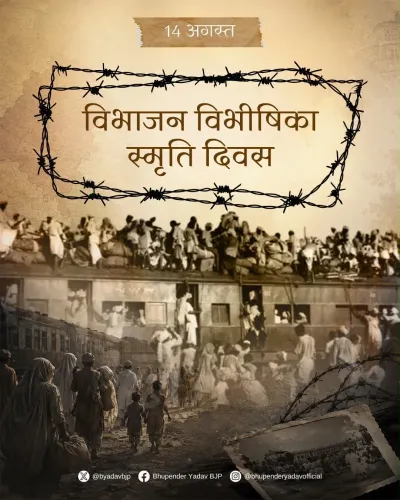
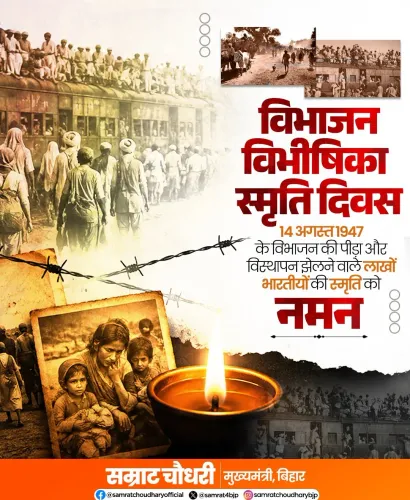
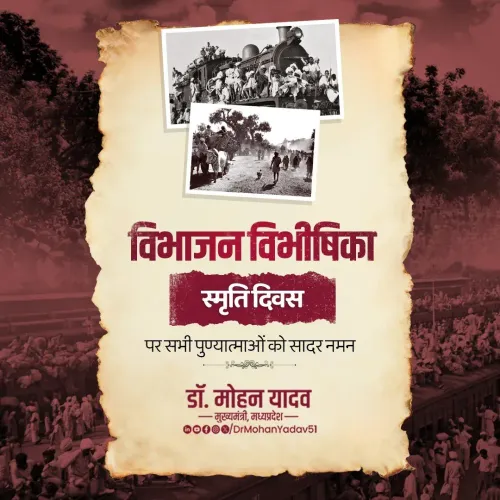
The Government of India formally declared 14 August as Vibhajan Vibhishika Smriti Diwas in 2021 to commemorate Partition victims.
Chouhan called on all citizens to draw lessons from the tragedy and resolve to strengthen national unity and social harmony .
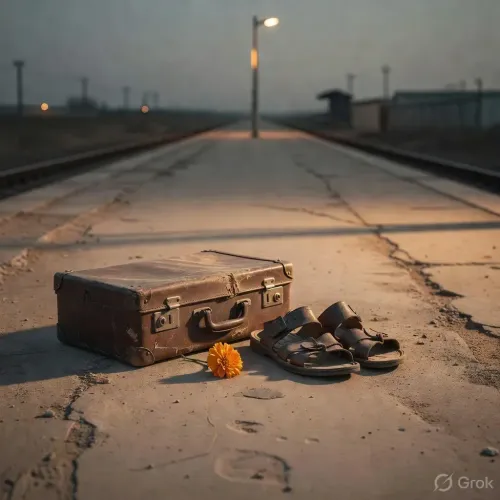
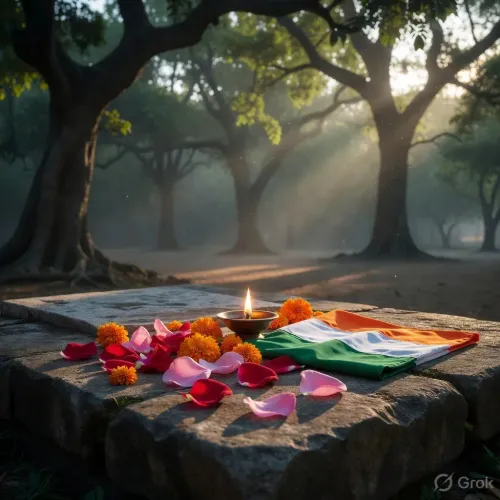
On a day that marks one of modern history's most devastating human catastrophes, Union Agriculture Minister Shivraj Singh Chouhan offered a solemn tribute to the countless lives lost and uprooted in the 1947 Partition of India, observing Partition Horrors Remembrance Day on 14 August 2026.
Writing in Hindi, Chouhan called 14 August 1947 'a dark chapter of barbarity and horror in world history — one that can never be forgotten.' He described how political interests rooted in religious division pushed the nation into the tragedy of Partition, forcing millions of brothers and sisters to be displaced and to lose their lives to hatred and violence.
A grief that spans generations
The scale of the Partition's human cost remains staggering. The 1947 division of British India into India and Pakistan triggered one of the largest forced migrations in recorded history — an estimated ten to twenty million people displaced, and hundreds of thousands killed in communal violence. Families were torn across newly drawn borders overnight, carrying grief that has passed down through generations.
Chouhan's tribute, rendered in the language of vinmra shraddhanjali — humble homage — was addressed to 'the countless innocent Indians who lost their lives in the horrors of Partition and those who endured the pain of displacement.' The register was deliberate: restrained, dignified, and heavy with the weight of remembered loss.
How 14 August became a day of remembrance
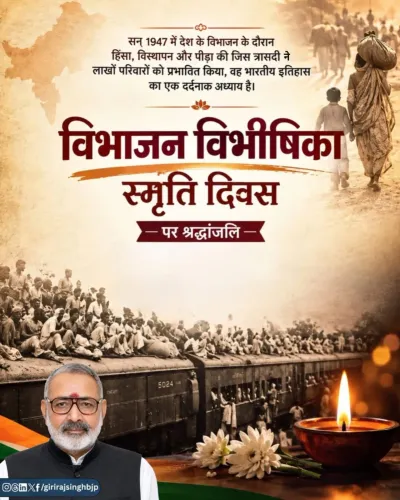
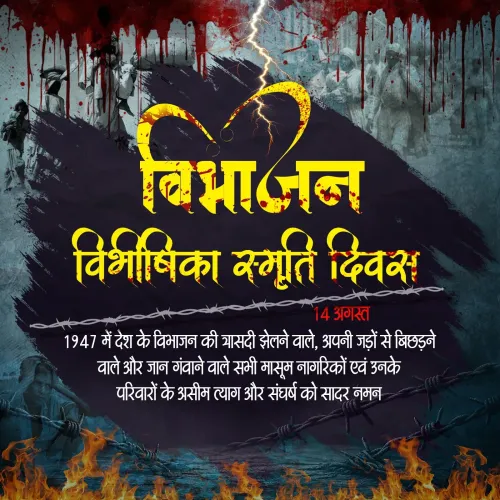
The observance has a formal foundation. In 2021, the Government of India declared 14 August as Vibhajan Vibhishika Smriti Diwas — Partition Horrors Remembrance Day — to institutionalise memory of the Partition's human cost. The date was chosen deliberately: the eve of India's Independence Day, a reminder that freedom and tragedy arrived together.
Senior ministers and leaders across the government mark the day annually with statements, events, and calls for national unity. Chouhan's post fits squarely within that pattern — but its closing appeal carries a sharper edge: 'Let us take a lesson from that terrible tragedy and, placing love of the nation above all else, resolve to strengthen the unity of the country and social harmony.'
The resolve Chouhan asks of every Indian
The minister's message did not stop at mourning. It pivoted to a call for action — a pledge that the nation will never forget, and that the memory of Partition must translate into a living commitment to unity and social cohesion. 'Desh is vibhajan ki vibhishika kabhi nahin bhoolega' — 'The country will never forget the horrors of this Partition' — he wrote, before urging every citizen to make national unity and social harmony their highest priority.
Seventy-nine years on, the wounds of 1947 remain a live nerve in India's political and social memory. The annual remembrance is a reminder that independence and partition are inseparable chapters — and that the lesson of one must always temper the celebration of the other.
Point of View
And senior ministers reinforcing it each year deepens its political and cultural resonance. The consistent emphasis on unity and social harmony in these statements also serves as an implicit counter-narrative to communal polarisation. For a leader of Chouhan's stature and four-term record as Chief Minister of Madhya Pradesh, lending his voice to this observance signals how central the Partition memory framework has become to the party's broader ideological outreach.
NationPress
29 Sept 2026
Frequently Asked Questions
What is Partition Horrors Remembrance Day?
Partition Horrors Remembrance Day, observed every year on 14 August , was formally declared by the Government of India in 2021 to commemorate the millions of people killed or displaced during the 1947 Partition of India . The date was chosen as the eve of Independence Day to link the memory of tragedy with the celebration of freedom.
What did Shivraj Singh Chouhan say on Partition Horrors Remembrance Day 2026?
Chouhan called 14 August 1947 a dark chapter of barbarity in world history, paid tribute to innocent Indians who lost their lives or were displaced in the Partition, and urged all citizens to learn from the tragedy and commit to strengthening national unity and social harmony .
Why is 14 August observed as Partition Horrors Remembrance Day and not another date?
14 August was chosen because it is the date on which Pakistan gained independence in 1947 and the eve of India's own Independence Day on 15 August , making it a historically resonant marker of the moment the subcontinent was divided.
How many people were affected by the 1947 Partition of India?
The 1947 Partition triggered one of the largest forced migrations in history, with an estimated ten to twenty million people displaced and hundreds of thousands killed in widespread communal violence as families were separated across newly drawn borders.
Who is Shivraj Singh Chouhan?
Shivraj Singh Chouhan is the Union Minister of Agriculture and Farmers Welfare and Rural Development in the Government of India. He is a senior BJP leader and served four terms as Chief Minister of Madhya Pradesh , making him one of the party's most prominent regional figures.