Shivraj Singh Chouhan Plants Trees Daily in New Delhi
Synopsis
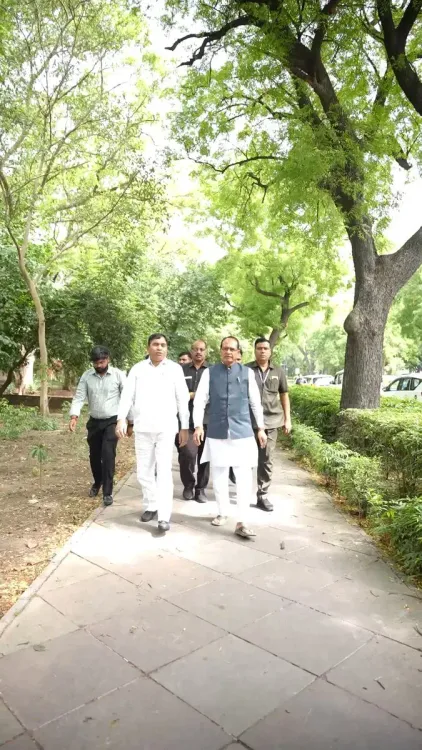
Union Agriculture Minister Shivraj Singh Chouhan planted trees in New Delhi on 24 June 2026 alongside MP Yogender Chandol, linking India's cultural tradition of tree reverence to a reported Canadian city's move granting legal living-being status to a tree, and urging citizens to treat trees as family.
Key Takeaways
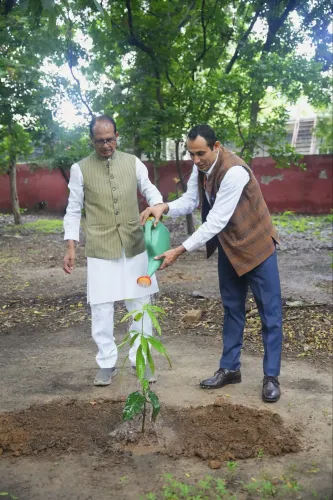
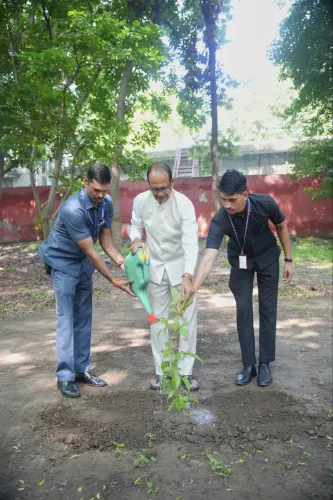
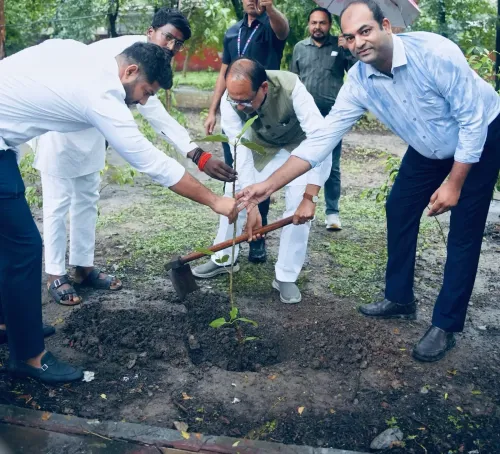
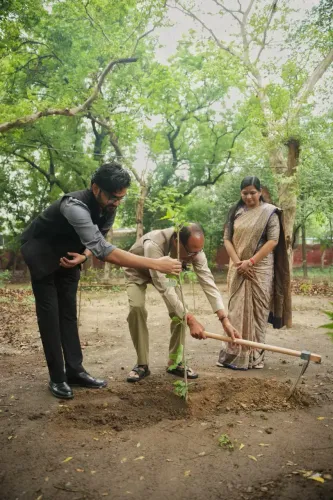
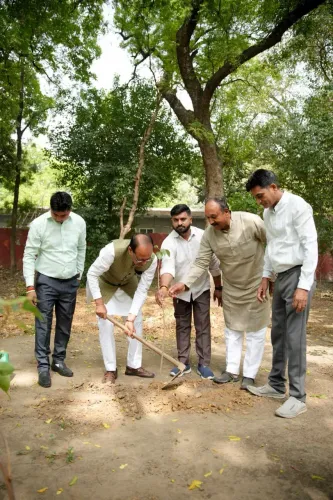
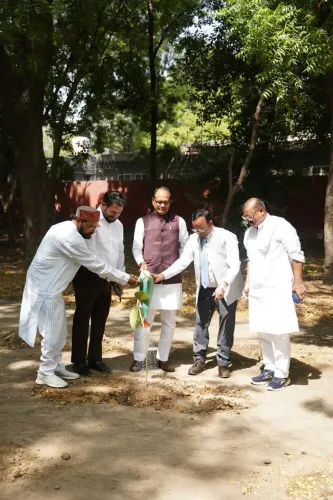
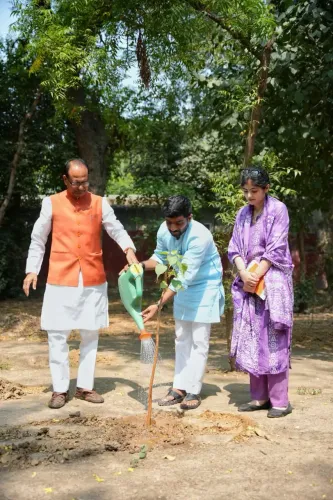
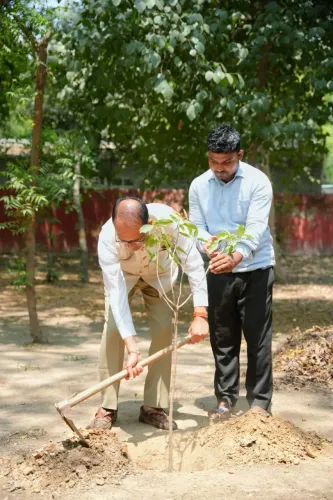
Union Agriculture Minister Shivraj Singh Chouhan conducted a tree-plantation drive in New Delhi on 24 June 2026 as part of his daily #OnePlantADay pledge.
MP Yogender Chandol and other colleagues joined the minister for the plantation activity.
Chouhan cited a newspaper report about a Canadian city reportedly granting a tree the legal status of a living being, drawing a parallel with Indian philosophical and cultural traditions.
He described tree-planting as 'the greatest service one can render to the world,' noting trees sustain all life — humans, birds, and insects alike.
India's afforestation policy lineage includes Van Mahotsav (1950) , the National Mission for a Green India (2014) , and the urban Nagar Van Yojana .
The minister called on citizens to treat trees as family members and commit to planting more trees for nature conservation.
Union Agriculture Minister Shivraj Singh Chouhan on Wednesday, 24 June 2026, carried forward his daily tree-plantation pledge in New Delhi, joining Member of Parliament Yogender Chandol and fellow colleagues for a sapling-planting drive. The minister used the occasion to draw a parallel between a reported Canadian city's move to grant legal living-being status to a tree and India's centuries-old tradition of tree reverence.
Context
Chouhan opened his post by referencing a newspaper report he read that day, noting that a city in Canada had reportedly granted a tree the status of a living being. He connected this development to Indian philosophical tradition: 'Bharatiya sanskriti mein hum pedo mein ek hi chetna maante hain' — 'In Indian culture, we believe that the same consciousness that exists in us also exists in trees; we consider them inseparable from us.' He added that this belief is the root of the ancient tradition of worshipping trees.
The minister framed tree-planting in spiritual terms, saying: 'Planting a tree is planting life itself, because it is trees that give life to us and to the entire world — whether insects, birds, or any living being.' He concluded that daily tree-planting feels to him like 'the greatest service one can render to the world.'
Policy Backdrop
India's institutional commitment to afforestation stretches back to 1950, when Van Mahotsav — an annual tree-planting festival — was launched by K. M. Munshi to promote nationwide greening. The National Mission for a Green India, approved in 2014 under the National Action Plan on Climate Change, further formalised targets to expand forest and tree cover across the country.
Urban afforestation has gained additional momentum through schemes such as the Nagar Van Yojana, which aims to develop urban forests in cities and towns. The Forest Conservation Act, 1980 remains the foundational regulatory instrument protecting existing forests while mandating compensatory afforestation where diversions occur.
Stakeholders and Impact
Chouhan's #OnePlantADay campaign, maintained as a personal daily routine, is aimed at modelling civic behaviour for parliamentarians, urban residents, and the broader public. By conducting the drive alongside MP Yogender Chandol and other colleagues, the initiative carries both symbolic and institutional weight — signalling that elected representatives are expected to participate directly in conservation efforts.
Environmental groups and urban residents in New Delhi stand to benefit from increased green cover, which helps moderate the capital's heat-island effect, improve air quality, and support urban biodiversity including birds and insects — species Chouhan explicitly mentioned in his appeal.
What's Next
Chouhan closed his post with a call to action: 'Let us also consider trees as members of our family and resolve to protect nature by planting as many trees as possible.' Progress on urban forestry targets under the Nagar Van Yojana and any environment-related legislative agenda in the upcoming monsoon session of Parliament will indicate how this personal commitment translates into broader policy action. India's participation in international biodiversity and climate forums later in 2026 may also provide a platform to showcase such grassroots-to-government plantation initiatives.
Point of View
Conducted publicly alongside a sitting MP, is a deliberate effort to embed environmental citizenship within the BJP's governance image — bridging Hindutva's reverence for nature with the government's formal climate commitments. By invoking Indian philosophical traditions alongside a foreign legal development, he positions India's indigenous ecological values as globally ahead of their time, a framing that resonates with the ruling party's 'civilisational pride' narrative. The #OnePlantADay hashtag also functions as a low-cost, high-visibility civic mobilisation tool ahead of what could be a busy monsoon-session legislative calendar on environment. Whether the personal symbolism translates into measurable urban green-cover gains will be the real test of the initiative's policy weight.
NationPress
22 Sept 2026
Frequently Asked Questions
What is Shivraj Singh Chouhan's #OnePlantADay campaign?
#OnePlantADay is a personal daily pledge by Union Agriculture Minister Shivraj Singh Chouhan to plant at least one tree every day, aimed at promoting afforestation and inspiring citizens to do the same.
Where did Shivraj Singh Chouhan plant trees on 24 June 2026?
He planted trees in New Delhi alongside Member of Parliament Yogender Chandol and other colleagues on 24 June 2026.
What did Chouhan say about Canada and trees?
Chouhan mentioned reading a newspaper report that a city in Canada had reportedly granted a tree the legal status of a living being, which he connected to India's ancient cultural tradition of viewing trees as conscious beings equal to humans.
What is India's policy history on tree plantation and afforestation?
India's afforestation efforts date to the Van Mahotsav festival launched in 1950. The National Mission for a Green India was approved in 2014 under the National Action Plan on Climate Change, and the Nagar Van Yojana promotes urban forest development.
Why do Indians traditionally worship trees?
Indian philosophical and cultural traditions hold that the same consciousness present in humans also exists in trees, making them inseparable from life itself. This belief, rooted in ancient texts and practices, has led to centuries-old traditions of tree worship across the country.