Shivraj Singh Chouhan backs poor families in old land occupation row
Synopsis
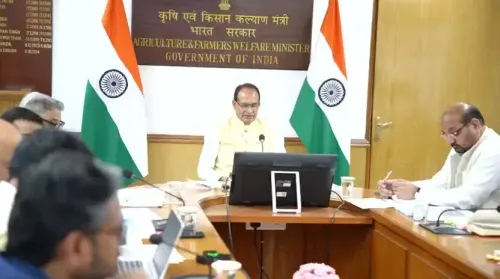
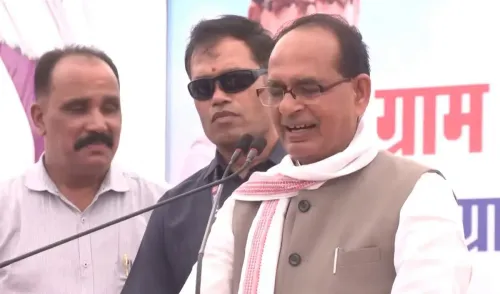
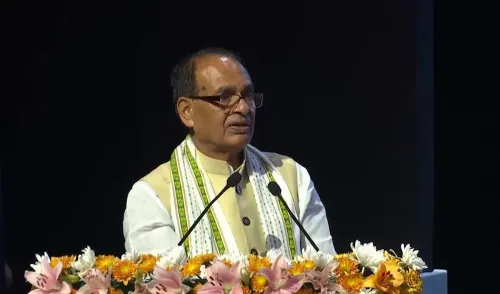
Union Minister Shivraj Singh Chouhan publicly intervened on behalf of poor families who filed applications over long-standing land occupations, asserting that those earning their livelihoods on land they have occupied for years must not face injustice.
Key Takeaways
Union Agriculture and Rural Development Minister Shivraj Singh Chouhan posted on September 27, 2026 backing poor long-term land occupants.
He stated that families living and earning livelihoods on occupied land for years must not be treated unjustly.
The post was prompted by applications filed by individuals seeking protection of old occupations ( purane kabze ).
Chouhan, a four-term former CM of Madhya Pradesh , has a long record of rural and welfare-focused governance.
India's rural land administration has struggled to balance anti-encroachment drives with protections for economically vulnerable occupants.
Ministry-level circulars or state-government directives on regularisation of old occupations are a key follow-up to watch.
The poor should not face injustice — that was the unambiguous message Union Agriculture and Rural Development Minister Shivraj Singh Chouhan sent on Sunday, September 27, 2026, after families occupying land for years filed applications seeking protection of their long-standing claims.
In his post on X, Chouhan stated: 'Jo garib log barson se rah rahe hain, wahan apni rozi-roti chala rahe hain, unke saath anyay nahin hona chahiye' — ('Those poor people who have been living there for years, earning their livelihood there, should not face injustice'). He noted that several individuals had submitted applications regarding old occupations, signalling that the matter had reached his attention at the ministerial level.
Years of informal occupation, now a formal demand
The phrase 'purane kabzon' — old occupations — sits at the heart of one of rural India's most persistent administrative headaches. Across the country, millions of poor families have built homes, run small trades, or farmed plots they do not formally own, in many cases for decades. Anti-encroachment drives, often legally justified, can leave these households without a roof or a livelihood overnight.
Chouhan's intervention signals that he sees these applicants not as encroachers but as vulnerable people whose economic survival is tied to the land they occupy. The framing — 'rozi-roti' (livelihood) — is deliberate: it shifts the discourse from property law to subsistence rights.
Chouhan's track record on rural vulnerability
As a four-term Chief Minister of Madhya Pradesh, Chouhan built a political identity around rural welfare — from Ladli Laxmi Yojana to farm-loan interventions. Now, as a Union Minister overseeing Agriculture, Farmers Welfare, and Rural Development, his constituency remains the same: the rural poor. A minister of his seniority weighing in publicly on a land-application dispute is not routine; it suggests either that a significant number of families are affected, or that the cases carry political and humanitarian urgency.
India's broader rural land administration framework has long tried to balance anti-encroachment enforcement with protections for economically marginal occupants. Successive governments have issued guidelines on regularisation of old possessions — but implementation has been uneven, and the gap between policy intent and ground reality is where families like those Chouhan referenced tend to fall through.
What happens next to these applications
Chouhan's public statement effectively puts the administrative machinery on notice. Whether the Ministry of Rural Development issues formal guidance on processing such applications, or whether he directs state governments to examine regularisation provisions, will determine whether this post translates into relief on the ground.
The families who filed those applications now have something more than paperwork — they have the public attention of the minister in charge. Whether that attention becomes policy is the question that answers itself only in the weeks ahead.
Point of View
Livelihood-linked possession carries moral weight. It fits a broader pattern under the current government of framing rural welfare as a rights issue, not merely a charity exercise. For a minister of his seniority to weigh in so openly, the political calculus likely includes both genuine humanitarian concern and the enduring electoral arithmetic of rural Madhya Pradesh and similar states. The real test is whether the statement triggers a formal policy directive or remains a sympathetic social-media intervention.
NationPress
27 Sept 2026
Frequently Asked Questions
What did Shivraj Singh Chouhan say about old land occupations?
Chouhan said that poor people who have lived and earned their livelihoods on land for years should not face injustice, after several individuals submitted applications seeking protection of their long-standing occupations.
What are 'purane kabze' or old occupations in India?
'Purane kabze' refers to long-standing informal possession of land — typically by poor families who have lived or worked on a plot for years or decades without formal title, a common situation across rural India.
Can poor families occupying land for years get regularisation in India?
Several state and central government frameworks allow for regularisation of old occupations, particularly for economically vulnerable families, though implementation varies widely across states.
What ministry does Shivraj Singh Chouhan head?
Shivraj Singh Chouhan is the Union Minister of Agriculture and Farmers Welfare and Rural Development, and is a senior BJP leader and former four-term Chief Minister of Madhya Pradesh.
What could happen next after Chouhan's statement on land applications?
Possible follow-up steps include ministry circulars directing how old occupation applications should be processed, state-level orders on regularisation, or formal policy guidelines protecting vulnerable occupants from displacement.