Shivraj Singh Chouhan Hails Hydrogen Train Era for Green Growth
Synopsis
Union Agriculture Minister Shivraj Singh Chouhan on 17 July 2026 celebrated India's entry into the hydrogen train era, saying the country will now race on a 'green track' of development. The statement aligns with the National Green Hydrogen Mission's Rs 19,744 crore push to decarbonise heavy transport and India's 2070 net-zero target.
Key Takeaways
Shivraj Singh Chouhan on 17 July 2026 hailed India's hydrogen train era as a milestone for green development.
He declared that India would now run 'superfast on the green track of development' — signalling strong political backing for hydrogen rail.
The National Green Hydrogen Mission , launched in January 2023 , carries an outlay of Rs 19,744 crore to support green-mobility pilots including rail.
Indian Railways first received budgetary support for hydrogen fuel-cell train pilots in the 2023-24 Union Budget .
India's broader climate goal of achieving net-zero emissions by 2070 underpins the push to decarbonise heavy transport through hydrogen.
Prototype trials on heritage or branch lines and future budget allocations will be key indicators of real-world progress.
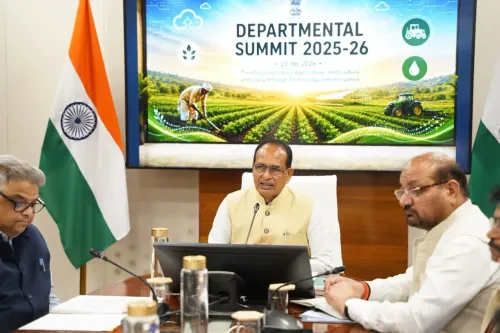
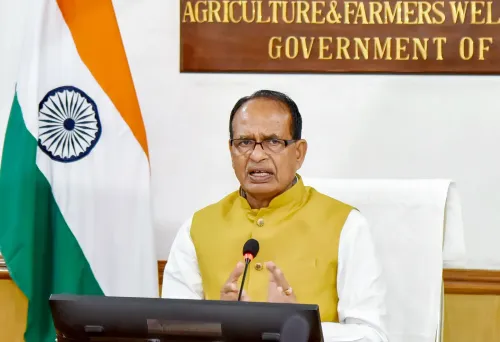
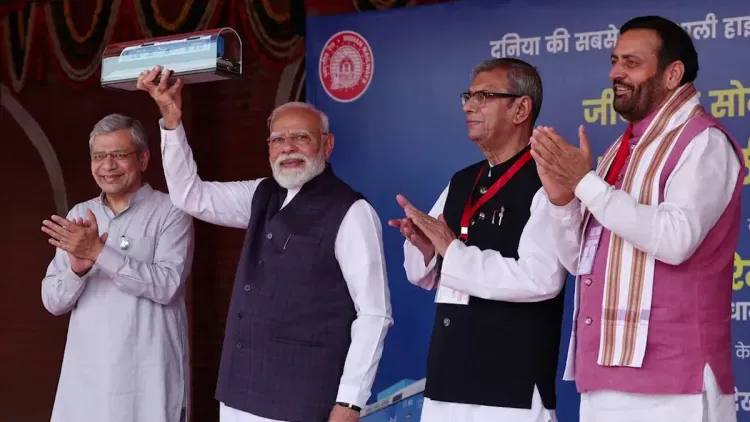
Union Agriculture Minister Shivraj Singh Chouhan on Friday, 17 July 2026 welcomed India's entry into the hydrogen train era, declaring that the country would now race ahead on a 'green track' of development. The senior BJP leader shared a video on X, framing hydrogen-powered rail as a defining moment in India's sustainable infrastructure journey.
In his post, Chouhan wrote: 'Hydrogen train ke is naye yug mein ab desh vikas ke green track par superfast daudega' — 'In this new era of the hydrogen train, the country will now run superfast on the green track of development.' The message, though brief, carries significant policy weight, signalling the ruling establishment's enthusiasm for green mobility as a national growth driver.
Context
Indian Railways has been advancing decarbonisation through alternative propulsion technologies, with hydrogen fuel-cell trains forming a key pillar of that strategy. The government announced pilot projects for hydrogen fuel-cell trains in the 2023-24 Union Budget, marking the first formal budgetary commitment to hydrogen-powered rail in India. Chouhan's post reflects the broader political endorsement that such technology milestones receive from senior Cabinet members across ministries.
India's push for hydrogen trains is part of its wider commitment to achieve net-zero emissions by 2070. Transport — particularly heavy rail and road freight — has been identified as a sector where green hydrogen can deliver the deepest emissions cuts while also reducing dependence on imported fossil fuels.
Policy Backdrop
The National Green Hydrogen Mission, launched in January 2023 with an outlay of Rs 19,744 crore, provides the financial and institutional scaffolding for green-hydrogen adoption across industry and transport. Railways is among the priority sectors targeted under the mission, with hydrogen seen as viable for routes where full electrification remains technically or economically challenging.
Multiple ministries — including Railways, New and Renewable Energy, and Heavy Industries — have coordinated on green-hydrogen pilots in heavy transport. The consistent messaging from leaders like Chouhan underscores that hydrogen mobility is positioned not merely as an environmental measure but as a signal of India's industrial ambition and energy sovereignty.
Stakeholders and Impact
The most immediate stakeholders are railway passengers on branch and heritage lines where hydrogen train prototypes are expected to be trialled first. A successful rollout would mean quieter, zero-emission journeys and reduced local air pollution at stations and in surrounding communities. For the renewable energy sector, expanded hydrogen-train deployment represents a substantial new demand source for green hydrogen produced from solar and wind power.
Domestic manufacturers and engineering firms stand to benefit from localisation of fuel-cell technology, aligning with the government's broader Make in India push. Reduced diesel consumption on rail networks would also contribute to lower crude-oil import bills, a persistent pressure point on India's current account.
What's Next
Observers will watch closely for prototype hydrogen-train trials on specific heritage or branch lines, and for any dedicated budgetary allocation in the forthcoming Union Budget or Railway Budget cycle. The pace at which Indian Railways scales from pilot to commercial deployment will determine whether the political enthusiasm expressed by leaders like Chouhan translates into measurable emissions reductions on the ground.
If India succeeds in operationalising hydrogen trains at scale, it would position the country as one of the few emerging economies to deploy the technology commercially — reinforcing its credentials as a serious player in the global green-energy transition.
Point of View
Particularly as India faces international scrutiny over its energy transition pace. The hydrogen-train push also serves a dual domestic purpose: energy sovereignty through reduced oil imports and industrial policy through potential localisation of fuel-cell manufacturing. Whether the enthusiasm translates into accelerated timelines and ring-fenced budgets will be the real test of this political commitment.
NationPress
17 Jul 2026
Frequently Asked Questions
What is India's hydrogen train project?
Indian Railways is developing hydrogen fuel-cell trains as part of its decarbonisation drive, with pilot projects first receiving budgetary support in the 2023-24 Union Budget. These trains emit only water vapour and are being considered for routes where full electrification is not yet feasible.
What did Shivraj Singh Chouhan say about hydrogen trains?
On 17 July 2026, Chouhan posted on X that in the new era of hydrogen trains, India would now run superfast on the green track of development, expressing strong support for the technology as a national growth driver.
What is the National Green Hydrogen Mission?
The National Green Hydrogen Mission is a central government scheme launched in January 2023 with an outlay of Rs 19,744 crore to scale up production and use of green hydrogen across industry and transport sectors, including railways.
How does the hydrogen train fit India's climate goals?
India has committed to achieving net-zero emissions by 2070, and decarbonising heavy transport is a key part of that plan. Hydrogen trains, powered by fuel cells that run on green hydrogen, produce zero direct emissions and can replace diesel locomotives on certain routes.
When will hydrogen trains run commercially in India?
No confirmed commercial rollout date has been announced. The government is expected to conduct prototype trials on heritage or branch lines first, with future Union Budget allocations likely to signal the pace of wider deployment.