Shivraj Singh Chouhan Plants Sapling in Delhi, Launches 'Vriksh Mitra' Drive
Synopsis
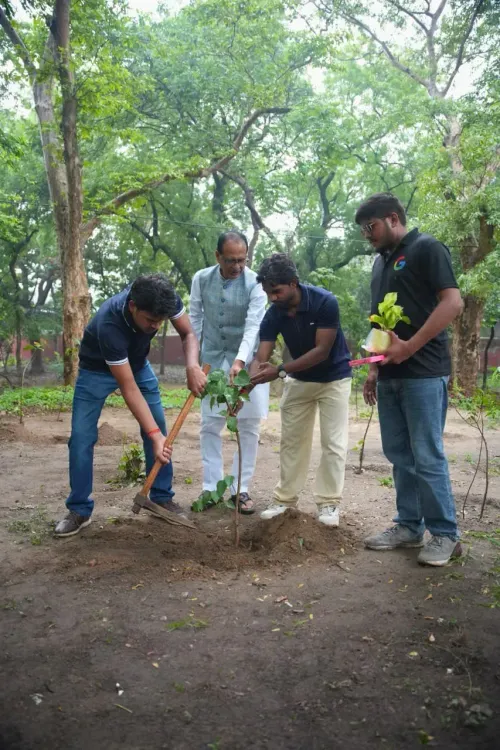
Union Agriculture Minister Shivraj Singh Chouhan planted a sapling in New Delhi on 20 July 2026 with environment enthusiasts and launched the 'Vriksh Mitra' missed-call campaign at 8929629475, urging citizens to join the #OnePlantADay pledge to serve nature and build a greener India.
Key Takeaways
Shivraj Singh Chouhan participated in a tree-plantation event in New Delhi on 20 July 2026 during the monsoon season.
He described daily tree-planting as a 'maha sankalp' — a supreme resolve — in service of nature, which he likened to a mother.
A 'Vriksh Mitra' (Friend of Trees) campaign was announced, with citizens invited to register via a missed call to 8929629475 .
The initiative is linked to the #OnePlantADay hashtag, aiming to build a sustained citizen-led afforestation movement.
India's tree-cover target of 33 per cent and its Bonn Challenge restoration commitments form the broader policy backdrop for such drives.
The campaign intersects with rural livelihood programmes, including MGNREGA , where plantation works generate wage employment.
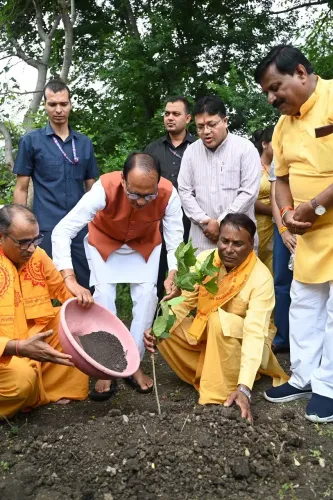
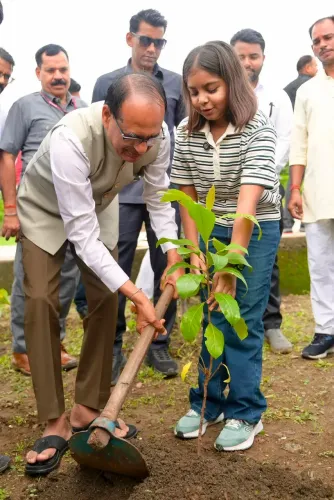
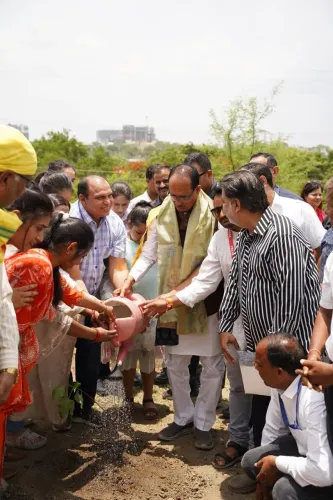
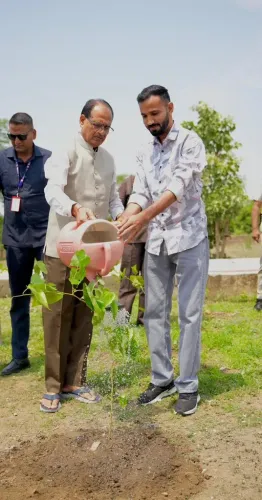
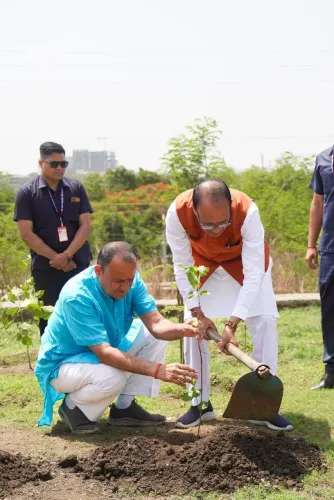
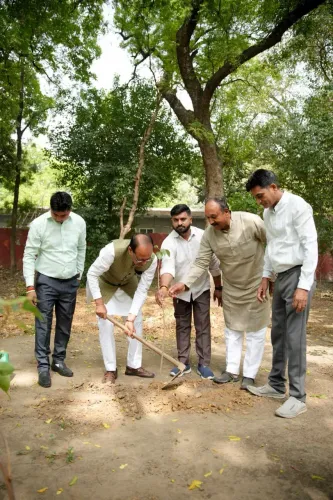
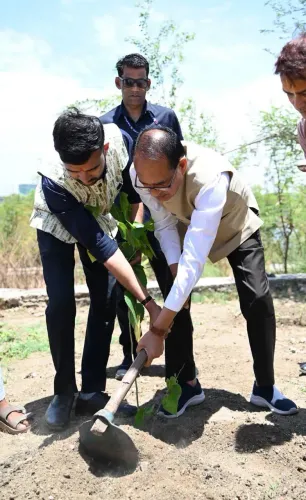
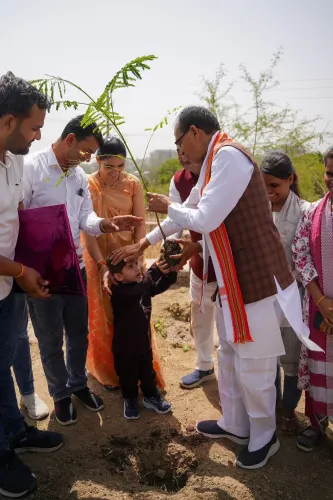
Union Agriculture Minister Shivraj Singh Chouhan on Monday, 20 July 2026, participated in a tree-plantation event in New Delhi alongside environment enthusiasts, calling daily tree-planting a 'maha sankalp' — a supreme resolve — in service of nature. The minister also announced a missed-call campaign under the banner 'Vriksh Mitra' (Friend of Trees), inviting citizens to join the movement by dialling 8929629475.
Posting on X with the hashtag #OnePlantADay, Chouhan wrote: 'Pratidin paudharopan maa saman prakriti ki seva ka maha sankalp hai' — 'Daily tree-planting is a supreme resolve to serve nature, which is like a mother.' He urged every citizen to plant a sapling and contribute to building a better world.
Context
The event took place during the peak of India's southwest monsoon season, the period traditionally favoured for large-scale plantation drives across the country. Chouhan, a senior BJP leader and four-term former Chief Minister of Madhya Pradesh, has consistently used public platforms to champion environmental causes alongside his agricultural portfolio. The dual role gives him a natural constituency among both farmers and rural communities who depend on healthy ecosystems.
India's tradition of organised public tree-planting stretches back to the Van Mahotsav festival, launched in 1950, which encouraged mass citizen participation in afforestation. The current drive follows that lineage while adding a digital mobilisation layer through the missed-call mechanism.
Policy Backdrop
India has committed to achieving 33 per cent forest and tree cover under its national forest policy, a target that successive governments have pursued through statutory and voluntary programmes. The National Mission for a Green India, approved in 2014 under the National Action Plan on Climate Change, set concrete goals for increasing forest cover and improving ecosystem services across degraded landscapes.
Internationally, India is a signatory to the Bonn Challenge, a global restoration commitment made in 2015 to bring 150 million hectares of degraded and deforested land into restoration by 2020 and 350 million hectares by 2030. Monsoon-season plantation events by ministers and state administrations are a recurring feature of India's strategy to meet these pledges through decentralised citizen action.
Stakeholders and Impact
The 'Vriksh Mitra' missed-call campaign is designed to lower the barrier to participation, allowing citizens without smartphones or internet access to register their intent to plant trees through a simple phone call. Environmental volunteers and civil-society groups who joined the New Delhi event represent the grassroots network through which such drives typically achieve scale.
For rural communities, tree-plantation programmes intersect with livelihood schemes including works under MGNREGA, where plantation activities can generate wage employment. Chouhan's Agriculture and Rural Development portfolio makes him a key figure in aligning green-cover targets with rural employment outcomes.
What's Next
State forest departments are expected to report monsoon-season plantation figures in the weeks ahead, providing a measure of how campaigns like #OnePlantADay translate into verifiable ground-level action. Observers will also watch whether the 'Vriksh Mitra' initiative is formally integrated into rural development or MGNREGA guidelines, which could give it institutional backing and broader reach beyond social-media mobilisation. If scaled, such citizen-facing campaigns could become a model for bridging India's gap between its international restoration commitments and on-ground tree-cover outcomes.
Point of View
Extending the campaign's reach to feature-phone users in rural India, the very constituency Chouhan oversees through his Agriculture and Rural Development portfolio. Coming during the monsoon, when plantation survival rates are highest, the timing is both ecologically sound and politically visible. The initiative's real test will be whether it acquires institutional teeth — through MGNREGA linkages or state forest department targets — or remains a recurring seasonal gesture.
NationPress
21 Jul 2026
Frequently Asked Questions
What is the 'Vriksh Mitra' campaign launched by Shivraj Singh Chouhan?
'Vriksh Mitra,' meaning Friend of Trees, is a citizen mobilisation initiative announced by Union Agriculture Minister Shivraj Singh Chouhan, through which people can register their pledge to plant trees by giving a missed call to 8929629475.
What did Shivraj Singh Chouhan do on 20 July 2026?
On 20 July 2026, Shivraj Singh Chouhan planted a sapling in New Delhi alongside environment enthusiasts and promoted the #OnePlantADay campaign on social media, urging citizens to contribute to afforestation.
What is the #OnePlantADay campaign in India?
#OnePlantADay is a social-media-driven afforestation movement encouraging individuals to plant at least one tree every day, framed by Chouhan as a supreme resolve in service of nature.
What is India's forest cover target under national policy?
India's national forest policy sets a target of 33 per cent forest and tree cover across the country's geographical area, supported by programmes like the National Mission for a Green India approved in 2014.
How does tree plantation connect to MGNREGA in India?
Tree-plantation works are among the permissible activities under MGNREGA, India's rural employment guarantee scheme, allowing afforestation drives to simultaneously generate wage employment for rural households.