White House Urges Congress to Pass the Save America Act
Synopsis
The White House on 20 July 2026 publicly called on the U.S. Congress to pass the Save America Act, framing it as a defence of American election integrity. The push comes ahead of the 2026 midterm elections, echoing a pattern of executive pressure on federal election legislation seen after contested national votes.
Key Takeaways
The White House posted a direct call on 20 July 2026 urging Congress to pass the Save America Act .
The administration framed the bill as essential to defending the integrity of American elections .
Federal election law history includes the Help America Vote Act of 2002 and the bipartisan Electoral Count Reform Act of 2022 .
Republican-led election legislation since 2020 has typically focused on voter ID, audits, and fraud deterrence.
The bill's specific provisions and current congressional status have not been independently verified.
The 2026 midterm elections create a compressed legislative window for any such bill to advance.
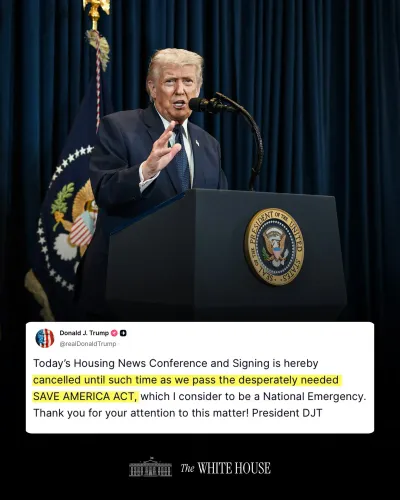
The White House, the official communications account of the Executive Office of the President of the United States, on Monday, 20 July 2026, called on the U.S. Congress to pass legislation it is calling the Save America Act, framing the bill as essential to defending the integrity of American elections.
Context
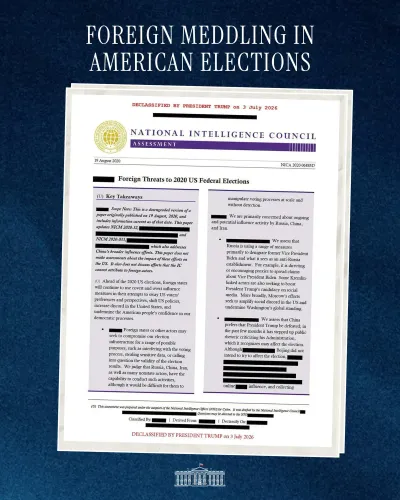
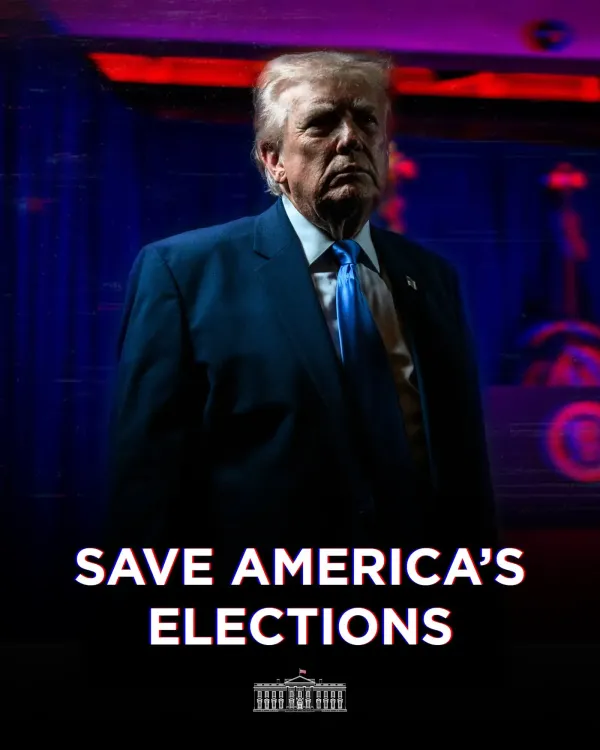
The post, published at 8:43 PM UTC, carried a single image and directed followers to an external link. The White House stated plainly: 'Defend the integrity of America's elections and PASS THE SAVE AMERICA ACT.' The call-to-action language and capitalisation signal a deliberate, urgent push aimed at lawmakers and the public ahead of the 2026 midterm elections.
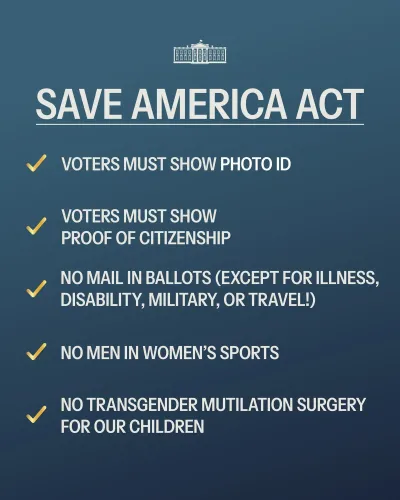
The Save America Act has not yet been independently detailed in public legislative records available for verification. However, the framing aligns with a recurring pattern in which the executive branch uses social media to pressure Congress on contested legislative priorities.
Policy Backdrop
Federal election law has evolved significantly over recent decades. The Help America Vote Act of 2002 established minimum federal standards for voting systems and created the Election Assistance Commission in the aftermath of the disputed 2000 presidential election. More recently, the Electoral Count Reform Act of 2022 — a bipartisan measure — updated the 1887 Electoral Count Act to clarify congressional roles in certifying presidential votes and raised the threshold required to formally object to a state's electoral results.
Republican-led proposals since the 2020 election have broadly focused on voter identification requirements, expanded audits, and fraud deterrence mechanisms. These federal efforts have run parallel to a wave of state-level changes to election administration laws, keeping the question of uniform federal standards versus local control at the centre of political debate.
Stakeholders and Impact
The primary stakeholders in any federal election legislation are American voters and state election officials, who administer elections under a patchwork of state and federal rules. Changes at the federal level can affect everything from voter registration procedures and identification requirements to how ballots are counted and certified.
Civil liberties groups and voting-rights advocates have historically scrutinised legislation framed around 'election integrity,' arguing that certain measures can restrict ballot access for minority, elderly, and low-income voters. Proponents counter that stronger safeguards are necessary to maintain public confidence in electoral outcomes.
What's Next
The immediate question is whether the U.S. Congress will take up the Save America Act in committee or bring it to a floor vote. With the 2026 midterm elections approaching, the legislative calendar is compressed, and election-related bills often become flashpoints for broader partisan battles over appropriations and oversight. Congressional committee activity and any related hearings will be the clearest indicators of the bill's prospects.
The White House's public pressure campaign suggests the administration views this legislation as a political priority — and its fate in Congress will likely become a defining marker of how election policy is contested in the lead-up to November.
Point of View
And a high-visibility demand ahead of the 2026 midterms signals the administration wants the issue front and centre regardless of whether the bill advances. The framing — 'defend the integrity' — pre-emptively casts any congressional inaction or opposition as a failure to protect democracy, a rhetorical posture that shapes public debate even before a committee hearing is scheduled. How Congress responds will reveal the degree of alignment — or tension — between the executive and legislative wings of the governing coalition.
NationPress
22 Jul 2026
Frequently Asked Questions
What is the Save America Act?
The Save America Act is a piece of federal legislation promoted by the White House as a measure to defend the integrity of American elections. Its specific provisions and sponsors have not been independently detailed in publicly available records as of the date of this report.
Why is the White House calling for the Save America Act to be passed?
The White House framed the bill as essential to defending American election integrity, a priority that has driven Republican-led federal legislation since the disputed 2020 presidential election and ahead of the 2026 midterms.
What is the history of US federal election integrity legislation?
Key milestones include the Help America Vote Act of 2002, which set federal voting-system standards after the 2000 election dispute, and the bipartisan Electoral Count Reform Act of 2022, which updated presidential vote certification procedures.
How does the Save America Act relate to the 2026 midterm elections?
The White House's push comes with the 2026 midterm elections approaching, compressing the legislative calendar and raising the political stakes of any congressional vote on election administration.
Who are the main stakeholders affected by US election integrity legislation?
American voters and state election officials are the primary stakeholders, as federal election laws directly shape registration rules, voting procedures, ballot-counting processes, and certification requirements across all states.