FASTag annual passes cross 77 lakh, log 63 crore highway toll transactions
Synopsis
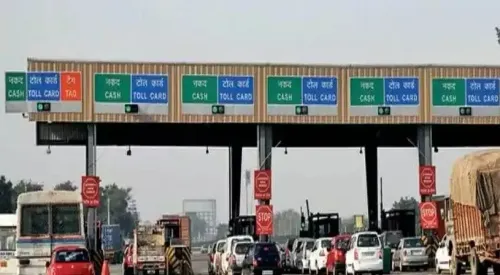
India's FASTag ecosystem has quietly crossed a landmark: 77 lakh annual passes issued, 63 crore highway toll transactions recorded, and 98% of all National Highway fee collection now digital. With barrier-free MLFF tolling combining ANPR and AI next in line, the era of stopping at a toll booth may be drawing to a close.
Key Takeaways
More than 77 lakh annual FASTag passes have been issued as of June 2025 , recording 63 crore transactions at National Highway Fee Plazas.
Annual FASTag passes account for 33 per cent of all ETC transactions by cars, jeeps, and vans.
Over 98 per cent of total user fee collection on National Highways now occurs through FASTag under the NETC programme.
NPCI serves as the Central Clearing House, with every transaction requiring participation of the Acquirer Bank, NPCI, and Issuer Bank simultaneously.
The government plans to roll out Multi-Lane Free Flow (MLFF) tolling using ANPR, AI analytics, and RFID-based FASTag for fully barrier-less toll deduction.
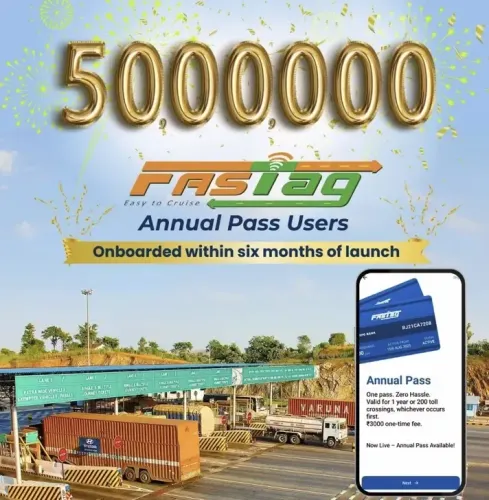
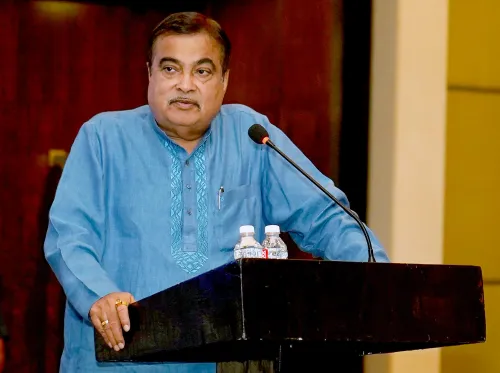
More than 77 lakh annual FASTag passes have been issued as of June 2025, collectively recording 63 crore transactions at National Highway Fee Plazas, Union Minister of Road Transport and Highways Nitin Gadkari informed the Rajya Sabha in a written reply on Wednesday, 22 July. The figures underscore the rapid mainstreaming of electronic toll collection on India's expanding highway network.
Scale of Adoption
Annual FASTag passes now account for approximately 33 per cent of all Electronic Toll Collection (ETC) transactions made by cars, jeeps, and vans. Minister Gadkari stated that the scheme has improved operational efficiency and significantly enhanced the convenience of road users. Across the broader National Electronic Toll Collection (NETC) programme, more than 98 per cent of all user fee collection on National Highways now takes place through FASTag.
How the System Works
Every FASTag transaction is processed within a secure, multi-stakeholder ecosystem. The chain involves the Toll Management System Software, the Acquirer Bank at the fee plaza, the National Payments Corporation of India (NPCI) acting as the Central Clearing House (CCH), and the FASTag Issuer Bank. According to the government, no transaction can be completed without the simultaneous participation of all three institutional stakeholders — a design intended to prevent leakage and ensure transparency. The deducted toll amount is communicated to the vehicle user in real time and logged in a central repository.
Grievance Redressal and Oversight
The National Highways Authority of India (NHAI) has established multiple grievance redressal mechanisms for addressing user fee-related disputes on National Highways. The government has also implemented audit trails within the FASTag ecosystem to maintain operational integrity in toll collection.
What Comes Next: Barrier-Free Tolling
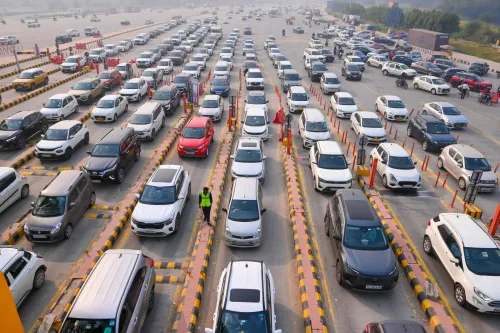
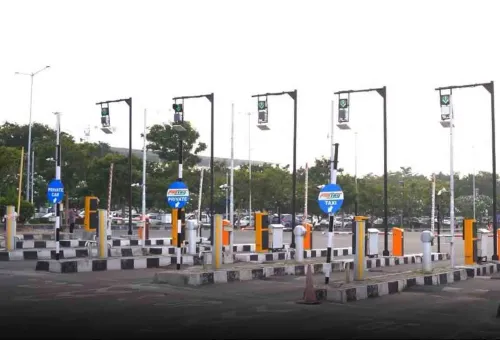
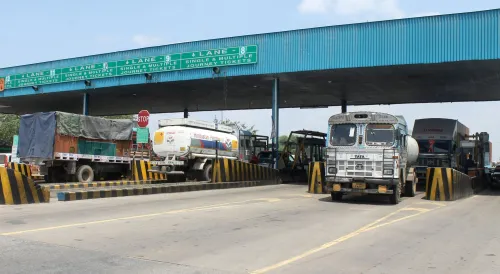
The government has announced plans to implement Multi-Lane Free Flow (MLFF) tolling, which will combine Automatic Number Plate Recognition (ANPR) with AI analytics and RFID-based FASTag technology. Under this system, user fees will be deducted automatically without vehicles needing to stop, slow down, or stay in a designated lane — effectively making toll plazas invisible to the driver. This comes amid broader efforts to reduce congestion at highway entry points and cut logistics costs, a longstanding priority for the Ministry of Road Transport and Highways.
With MLFF deployment on the horizon, India's toll infrastructure is moving toward a fully frictionless model — one that could reshape travel times and freight economics on National Highways.
Point of View
But the more consequential number is the 33% share held by annual passes — a product that effectively converts a per-trip cost into a fixed charge and, in doing so, changes driver behaviour on highways. The real policy test now is MLFF: India has announced barrier-free tolling before, and execution has lagged ambition. ANPR accuracy in Indian traffic conditions — mixed vehicle types, damaged plates, dust — remains an unresolved technical challenge that the government has yet to publicly address. Until that is answered, MLFF risks being another headline that outruns delivery.
NationPress
22 Jul 2026
Frequently Asked Questions
What is the FASTag annual pass and how many have been issued?
The FASTag annual pass allows vehicle owners to pay a fixed annual fee instead of per-trip toll charges on National Highways. More than 77 lakh such passes have been issued as of June 2025, collectively logging 63 crore transactions at highway fee plazas.
What share of highway toll collection is now digital?
More than 98 per cent of all user fee collection on National Highways now takes place through FASTag under the National Electronic Toll Collection (NETC) programme, according to Union Minister Nitin Gadkari's written reply to the Rajya Sabha on 22 July.
How does the FASTag transaction system ensure transparency?
Every FASTag transaction requires the simultaneous participation of three stakeholders — the Acquirer Bank at the fee plaza, NPCI as the Central Clearing House, and the FASTag Issuer Bank. The deducted toll is communicated to the user in real time and recorded in a central repository, making it auditable end to end.
What is Multi-Lane Free Flow tolling and when will it arrive?
Multi-Lane Free Flow (MLFF) is a barrier-less tolling system that uses Automatic Number Plate Recognition (ANPR) with AI analytics and RFID-based FASTag to deduct tolls without vehicles needing to stop or slow down. The government has announced its implementation, though a specific rollout timeline was not stated in the parliamentary reply.
Who oversees grievance redressal for FASTag-related issues?
The National Highways Authority of India (NHAI) has established multiple grievance redressal mechanisms for user fee-related disputes on National Highways, as part of the broader effort to maintain operational integrity in toll collection.