White House Backs Denaturalization of Citizenship Fraudsters

Synopsis
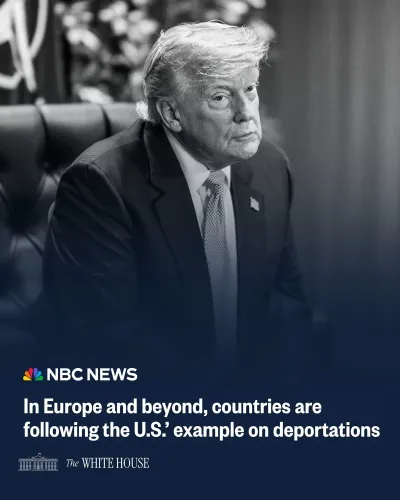
The White House on July 21, 2026 stated that naturalization fraud forfeits U.S. citizenship rights, backing what the Trump administration has described as a major denaturalization enforcement push targeting fraudsters and others who misrepresented facts during the citizenship process.
Key Takeaways
The White House posted on July 21, 2026 that committing fraud during naturalization forfeits the right to U.S. citizenship.
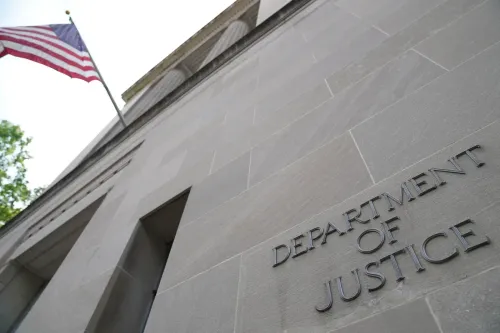
The Department of Justice files civil denaturalization suits in federal courts against individuals who obtained citizenship through fraud or misrepresentation.
The first Trump administration established a dedicated DOJ denaturalization task force in 2018 , reviewing hundreds of thousands of immigration files.
USCIS refers suspected fraud cases to the DOJ, forming the institutional backbone of denaturalization campaigns.
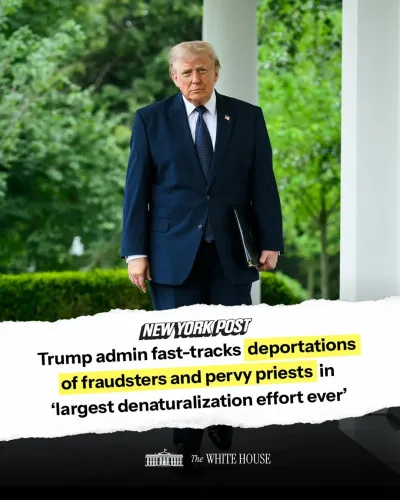
The current push reportedly targets 'fraudsters' and 'abusive priests,' suggesting a broad, multi-category enforcement approach.
Future DOJ court filings and DHS guidance on expedited removal will indicate the scale and legal direction of the effort.
The White House, the official communications account of the Executive Office of the President of the United States, on Monday, July 21, 2026, amplified a statement asserting that individuals who commit fraud during the naturalization process forfeit their right to U.S. citizenship, framing it as a core principle of the Trump administration's immigration enforcement posture.
Context
The post quoted directly: 'When you commit fraud during the naturalization process, you forfeit the right to keep your U.S. citizenship.' The statement was shared in the context of what has been described as a significant escalation in denaturalization efforts by federal authorities targeting individuals who allegedly obtained citizenship through misrepresentation or concealment of material facts.
Denaturalization — the legal revocation of citizenship granted through naturalization — is a power rooted in U.S. law dating back to the early 20th century. It is pursued through civil suits filed in federal district courts, most often by the Department of Justice (DOJ), when evidence of fraud or willful misrepresentation during the naturalization process is established.
Policy Backdrop
The Trump administration has a documented history of treating citizenship integrity as an enforcement priority. During President Donald Trump's first term, the DOJ established a dedicated denaturalization task force in 2018 to systematically pursue cases where citizenship was obtained fraudulently. That unit reviewed hundreds of thousands of immigration files to identify individuals who had concealed disqualifying criminal histories or used false identities.
The U.S. Citizenship and Immigration Services (USCIS) plays a parallel role, adjudicating naturalization applications and referring suspected fraud cases to the DOJ for revocation proceedings. Together, these agencies form the institutional backbone of any large-scale denaturalization campaign. The current administration appears to be building on that 2018 infrastructure, with indications of expanded investigations and expedited procedures.
Stakeholders and Impact
The primary population affected by denaturalization proceedings comprises naturalized citizens — foreign-born individuals who underwent the formal legal process of acquiring U.S. citizenship. Any revocation of citizenship would render such individuals vulnerable to deportation, stripping them of the full bundle of rights that naturalization confers.
Immigration enforcement agencies, including the DOJ and USCIS, are key institutional stakeholders, as expanded denaturalization mandates require significant investigative and legal resources. Civil liberties organisations and immigration advocacy groups have historically raised due-process concerns about the evidentiary standards and procedural safeguards in such proceedings, particularly when cases are fast-tracked.
The White House post specifically referenced the targeting of individuals described as 'fraudsters' and 'abusive priests,' suggesting the administration is framing the effort as one that cuts across categories of misconduct — not solely immigration violations but also those who may have concealed criminal conduct of a serious nature during their naturalization process.
What's Next
Observers will be watching for formal DOJ filings of new denaturalization complaints in federal courts, as well as any Department of Homeland Security (DHS) guidance that expands the categories of fraud subject to investigation or introduces expedited removal procedures for individuals who have had citizenship revoked. Congressional scrutiny of the legal standards and due-process protections in these proceedings is also likely to intensify as the administration moves forward with what it has characterised as a historically significant enforcement action.
The trajectory of this policy will test the boundaries of executive authority over citizenship and may generate significant constitutional litigation, given that the Supreme Court has historically treated denaturalization as a remedy requiring a high evidentiary bar.
Point of View
Not merely an administrative function. By framing fraud as an automatic forfeiture — rather than a case-by-case judicial determination — the administration is staking out a maximalist rhetorical position that may outpace the legal standards courts have historically required. This fits a broader pattern of using immigration enforcement as a demonstration of sovereign will, with each escalation serving both a policy and a political audience. The constitutional and due-process battles this approach invites will likely define the legal legacy of this enforcement cycle.
NationPress
21 Jul 2026
Frequently Asked Questions
What is denaturalization and how does it work in the US?
Denaturalization is the legal revocation of citizenship that was granted through naturalization. In the United States, the Department of Justice files civil suits in federal district courts to revoke citizenship when evidence shows it was obtained through fraud, willful misrepresentation, or concealment of material facts during the naturalization process.
Can the US government deport someone after revoking their citizenship?
Yes. Once citizenship is revoked through denaturalization, the individual loses the legal protections that citizenship confers and becomes subject to deportation proceedings under U.S. immigration law, depending on their remaining immigration status.
What did the Trump administration do on denaturalization in 2018?
In 2018, the first Trump administration established a dedicated denaturalization task force within the Department of Justice. The unit systematically reviewed hundreds of thousands of immigration files to identify individuals who had concealed criminal histories or used false identities to obtain citizenship.
What is the role of USCIS in denaturalization cases?
U.S. Citizenship and Immigration Services adjudicates naturalization applications and, when it identifies suspected fraud, refers those cases to the Department of Justice for formal denaturalization proceedings in federal court.
Who is targeted in the latest US denaturalization push?
According to the White House post and associated reporting, the current enforcement action targets individuals who committed fraud during naturalization, with specific reference to 'fraudsters' and 'abusive priests' — suggesting a broad, multi-category approach to citizenship revocation.