What Are the Shocking Revelations in the NEET Aspirant's Death Case?
Synopsis
The NEET aspirant's death case in Patna takes a dramatic turn as police unveil shocking details. With the investigation now in the hands of the CBI, revelations about the victim's last days and potential foul play emerge. The case raises serious questions about safety and justice for students in Bihar, sparking widespread concern.
Key Takeaways
Investigation transferred to CBI due to serious implications.
Initial family attempts to suppress the incident revealed.
CCTV footage confirmed authenticity, detailing the victim's last night.
Presence of semen suggests potential sexual assault.
Police officials suspended for negligence in duty.
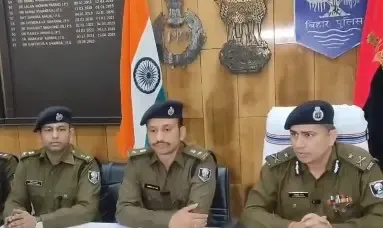
Patna, Feb 4 (NationPress) In the investigation surrounding the suspicious demise of a student who was preparing for the NEET examination in Patna, the police have disclosed several crucial details that have taken this high-profile case in a new direction.
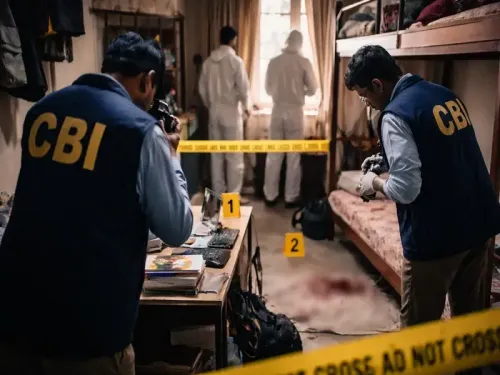
Given the seriousness of the situation, the Bihar government has transferred the case to the Central Bureau of Investigation (CBI).
Initial findings by the Patna Police suggest that the victim's family initially sought to downplay the incident and refrain from filing a First Information Report (FIR).
However, the police acted on their own accord after receiving information from the hospital.
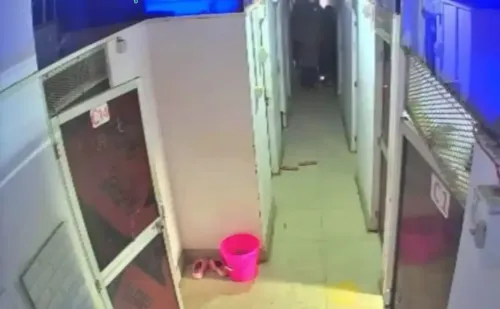
Patna’s Senior Superintendent of Police (SSP) Kartikeya Sharma stated that CCTV footage from the hostel was analyzed by a specialized forensic lab, which confirmed the footage's authenticity.
The footage indicated that the student returned to the hostel on January 5 accompanied by a friend. That night, she left her room only twice for a duration of two minutes each time and remained inside for the rest of the night. The next morning, after the room was locked for an extended period, the guard broke down the door in the presence of the warden and other students, according to the SSP.
The police's technical investigation determined that the student had been at her home in Jehanabad from December 27 to January 5.
On her way back to Patna, she purchased a medication named ‘Amitone Plus’ from a pharmacy at Arwal Mod in Jehanabad.
This transaction was substantiated through UPI records, the shopkeeper's testimony, and initial statements from family members, as stated by the police.
The student was admitted to Prabhat Memorial Hospital from January 6 to January 10, where her condition was reported as critical. The hospital's preliminary report pointed to a drug overdose as the cause of death.
However, a later report from the Forensic Science Laboratory (FSL) found traces of semen on the student's undergarments, suggesting that sexual assault cannot be excluded as a possibility.
In light of these findings, both the SIT and CBI have commenced DNA profiling of potential suspects.
Investigators retrieved a personal diary and a mobile device from the student’s hostel room.
The forensic analysis of the mobile phone indicated that the student had searched online for cyanide and sleeping pills on December 24.
Police sources noted that the diary entries offered valuable insights into the student’s mental health and personal challenges, which are now considered vital for the CBI investigation.
In a significant administrative move, the Patna Police suspended the Additional Station House Officer (ASHO) of Kadamkuan and the Station House Officer (SHO) of Chitragupta Nagar effective immediately.
SSP Sharma explained that this action was prompted by delays in information sharing and negligence, asserting that timely reporting could have preserved essential evidence.
Patna IG Jitendra Rana and the SSP cautioned media outlets and social media platforms that as this case involves a minor, no information—including images, names, or details of family members—should be disclosed that could compromise the victim's identity.
The police warned that strict legal measures under the POCSO Act would be enforced against any offenders.
During a press briefing, journalists persistently inquired about the specific location of the incident.
The IG seemed to sidestep these questions and abruptly ended the press conference, further igniting speculation surrounding the case.
Point of View
I recognize the gravity of the revelations surrounding the NEET aspirant's death case. This incident highlights significant societal issues, particularly regarding the safety and mental well-being of students. As we follow this investigation closely, our commitment remains steadfast in providing accurate, unbiased updates to our audience.
NationPress
11 Oct 2026
Frequently Asked Questions
What led to the transfer of the investigation to the CBI?
The investigation was transferred to the CBI due to the serious implications and complexity surrounding the NEET aspirant's death.
What were the key findings from the police investigation?
Key findings included the victim's last recorded activities, potential evidence of drug overdose, and traces of semen indicating possible sexual assault.
What actions have been taken against police officials involved?
The Patna Police suspended the Additional Station House Officer and Station House Officer for negligence and failure to share crucial information promptly.
How is the media being cautioned in this case?
Media outlets are warned against disclosing any identifying information about the victim, as this case involves a minor, with strict legal actions under the POCSO Act being threatened against violators.
What role does the victim's diary play in the investigation?
The victim's diary is crucial as it may provide insights into her mental state and personal struggles, informing the investigation's direction.