Shravani Mela 2025: Massive crowds at Baba Baidyanath Temple Deoghar
Synopsis
Queues stretching three kilometres outside Baba Baidyanath Temple in Deoghar tell the story of Shravani Mela's scale — authorities are bracing for up to 55 lakh pilgrims by 28 August, making this one of the largest annual Shiva pilgrimages in India. Parallel observances in Haridwar, where a revered spiritual leader spends 23–24 hours a day in worship, underline how deeply the Shravan season animates religious life across the country.
Key Takeaways
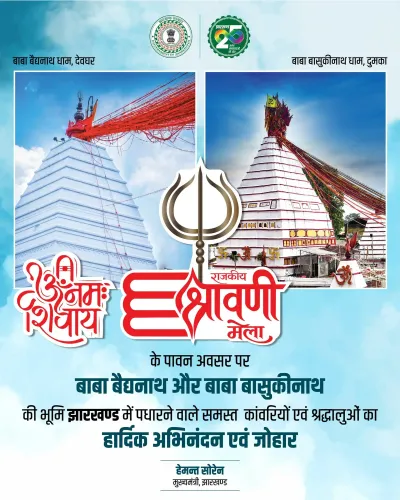
Shravani Mela at Baba Baidyanath Temple, Deoghar is in its third day, having begun on 30 July 2025 .
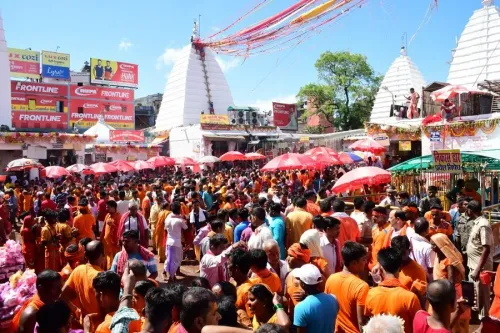
Queues of devotees stretched up to three kilometres outside the temple on Saturday .
Authorities expect a total footfall of 35 to 55 lakh pilgrims before the mela ends on 28 August .
Crowd-control measures, medical camps, drinking water, and sanitation facilities have been deployed across the site.
Devotees reported improved waiting times and praised the administration's arrangements compared to previous years.
At Siddhpeeth Dakshin Kali Temple, Haridwar , Acharya Mahamandaleshwar Swami Kailashanand Giri Maharaj performs nightly Rudrabhishek after a midnight dip in the Ganga throughout the Sawan month.
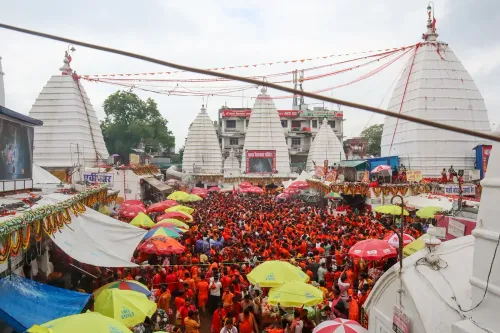
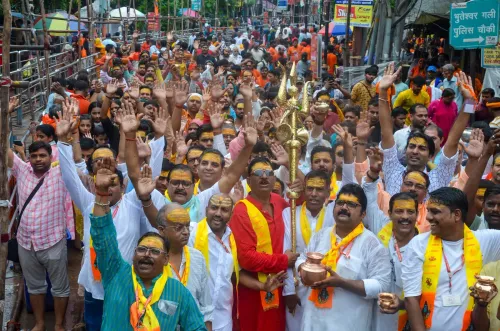
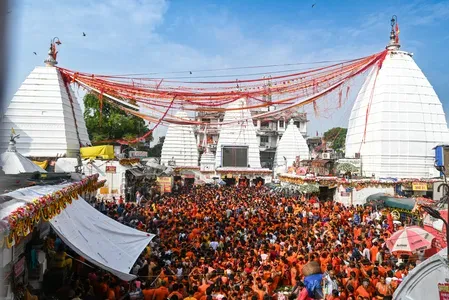
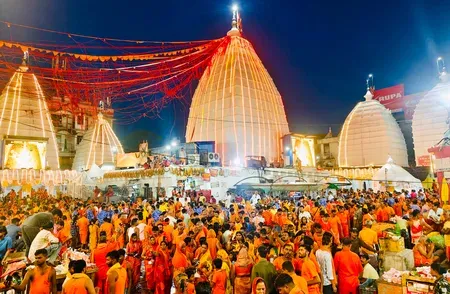
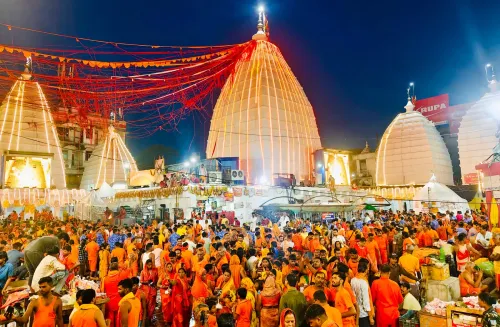
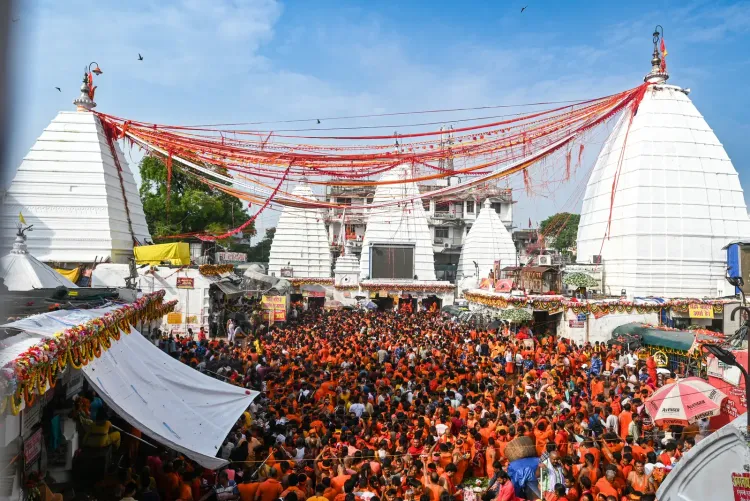
The Shravani Mela at Baba Baidyanath Temple in Deoghar, Jharkhand, drew tens of thousands of devotees on its third day on Saturday, with saffron-clad Kanwariyas and Lord Shiva worshippers forming queues stretching up to three kilometres outside the shrine to perform Jalabhishek. The month-long pilgrimage, which commenced on 30 July, is expected to draw between 35 and 55 lakh devotees before it concludes on 28 August.
Scale of the Gathering
The temple town of Deoghar has been transformed into a vast centre of devotion, with pilgrims converging from every corner of the country. Despite the enormous crowds, the queues moved steadily, with authorities deploying crowd-control measures, medical teams, drinking water stations, and sanitation services across the pilgrimage route.
Devotees expressed satisfaction with the on-ground arrangements. One pilgrim said, 'The arrangements are very good. There are excellent facilities for everything. We did not face any inconvenience.' Several worshippers also noted improved waiting times compared to previous editions of the mela.
What Authorities Have Put in Place
Local administration has rolled out extensive logistics to manage the surge. Facilities include dedicated medical camps, sanitation infrastructure, and real-time crowd monitoring. Pilgrims reported a smoother experience this year, with the administration drawing praise for enabling devotees to perform Jalabhishek without significant disruption despite the scale of footfall.
Sawan Devotion Extends to Haridwar
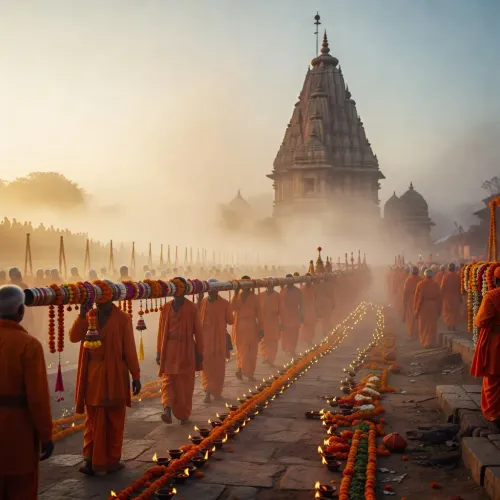
The spirit of the holy month is equally palpable at Siddhpeeth Dakshin Kali Temple in Haridwar, Uttarakhand, where Acharya Mahamandaleshwar Swami Kailashanand Giri Maharaj conducts special Shiva worship and Rudrabhishek daily after taking a midnight holy dip in the Ganga.
Temple sevadar Vinod Kumar described the rigour of the observance: 'Guruji begins this spiritual observance on the full moon of the holy month of Sawan and continues it until Raksha Bandhan. Throughout Sawan, Guruji observes silence and remains immersed in the worship of Lord Shiva for nearly 23–24 hours a day. Every night, between midnight and 4 am, Guruji takes a holy dip in the Ganga before continuing his prayers.'
Significance of the Shravan Season
The month of Shravan is regarded as one of the most sacred periods in the Hindu calendar, with millions undertaking pilgrimages to Shiva temples across India. Deoghar and Haridwar rank among the most prominent destinations during this season, drawing devotees who believe that offerings of holy water during Shravan carry exceptional spiritual merit. As the pilgrimage season gathers pace, both sites continue to see a steady influx, supported by coordinated arrangements from local authorities aimed at ensuring a safe and seamless experience for all pilgrims.
Point of View
Yet it rarely receives the infrastructure scrutiny those events do. The administration's praise from pilgrims this year is encouraging, but the real stress test comes in the final fortnight when crowds typically peak. The parallel observances at Haridwar are a reminder that the Shravan pilgrimage economy spans multiple states — a coordination challenge that deserves a more formalised inter-state framework than the ad hoc arrangements currently in place.
NationPress
15 Sept 2026
Frequently Asked Questions
What is the Shravani Mela at Baba Baidyanath Temple?
The Shravani Mela is an annual month-long pilgrimage held at Baba Baidyanath Temple in Deoghar, Jharkhand, during the Hindu holy month of Shravan. Devotees, particularly Kanwariyas, travel to the temple to perform Jalabhishek — the ritual offering of holy water — to Lord Shiva. The 2025 edition runs from 30 July to 28 August.
How many pilgrims are expected at Shravani Mela 2025?
Authorities expect between 35 and 55 lakh devotees to visit Baba Baidyanath Temple in Deoghar over the course of the month-long mela, which concludes on 28 August 2025.
What arrangements have been made for pilgrims at Deoghar?
The local administration has put in place crowd-control measures, medical camps, drinking water stations, and sanitation services. Devotees on the ground reported improved waiting times and a smoother pilgrimage experience compared to previous years.
What is happening at Haridwar during Sawan 2025?
At Siddhpeeth Dakshin Kali Temple in Haridwar, Uttarakhand, Acharya Mahamandaleshwar Swami Kailashanand Giri Maharaj is conducting special Shiva worship and Rudrabhishek every day during the Sawan month. According to temple sevadar Vinod Kumar, he observes silence and spends 23–24 hours a day in worship, taking a holy dip in the Ganga between midnight and 4 am each night.
Why is the month of Shravan significant for Shiva devotees?
Shravan is considered one of the most sacred months in the Hindu calendar and is especially associated with the worship of Lord Shiva. Devotees believe that performing Jalabhishek and other rituals during this period carries exceptional spiritual merit, which is why pilgrimage sites like Deoghar and Haridwar see their highest annual footfall during these weeks.