Kapil Sibal demands Amit Shah break silence on pellet gun use against students
Synopsis
Rajya Sabha MP Kapil Sibal has put Home Minister Amit Shah on the spot — arguing that pellet gun deployment against protesting students cannot happen without authorisation from the highest levels, and that Shah’s parliamentary silence is itself an admission. With Rahul Gandhi demanding Shah’s removal and a Supreme Court-monitored probe, the student protest crackdown is fast becoming one of the session’s defining political battles.
Key Takeaways
Kapil Sibal on 30 July questioned why Home Minister Amit Shah has not issued any statement on the alleged use of pellet guns against students.
Sibal argued that pellet gun authorisation must come from the ‘highest authorities’ and cannot rest solely with a District or Sub-Divisional Magistrate.
Rahul Gandhi alleged during a Lok Sabha debate that Shah ordered police to fire on protesters during the 20 July march to Parliament.
Gandhi called on PM Modi to remove Shah and order a Supreme Court -monitored independent investigation into the incident.
The NDA rejected Gandhi’s allegations as false and demanded an apology; the Home Minister has not addressed Parliament on the matter.
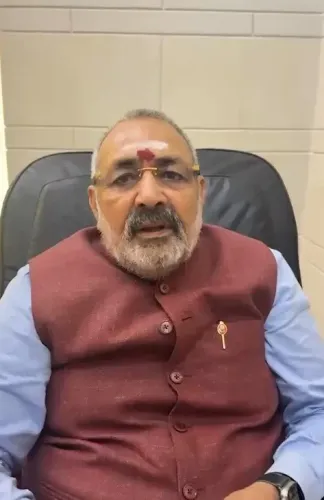
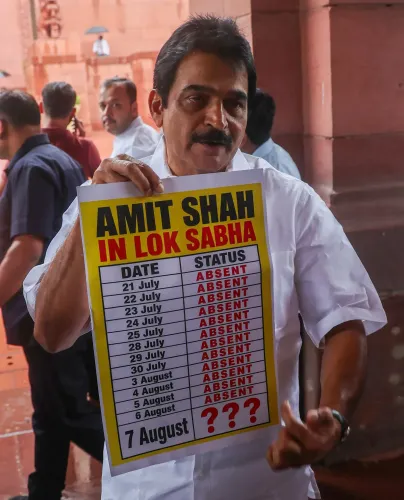
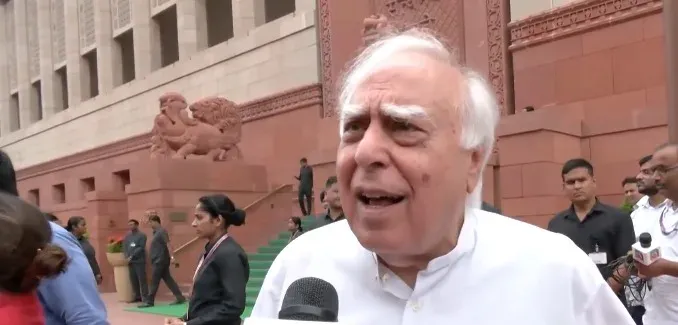
Rajya Sabha MP Kapil Sibal on Thursday, 30 July sharply questioned Union Home Minister Amit Shah's continued silence over the alleged use of pellet guns against protesting students in New Delhi, arguing that regardless of which local official had accepted responsibility, the Home Minister was obligated to address Parliament on the matter.
What Sibal Said
Speaking on the Parliament premises, Sibal argued that authorisation for pellet gun deployment could not have come from lower-ranking officials alone. “Even if the District Magistrate or Sub-Divisional Magistrate takes responsibility, the Home Minister should still issue a statement. Why isn’t the Home Minister speaking? Because he has no answer. No one can use pellet guns without permission. Such powers are granted by the highest authorities,” Sibal said.
He further contended that pellet guns are permissible only under exceptional circumstances, and that Shah’s absence from any parliamentary statement on the issue was itself telling. “Some in the ruling dispensation initially rejected claims that pellet guns were used, but when it became known that they were used, the Home Minister has stayed silent. Therefore, whatever Rahul Gandhi said is true,” Sibal added.
The Political Row in Parliament
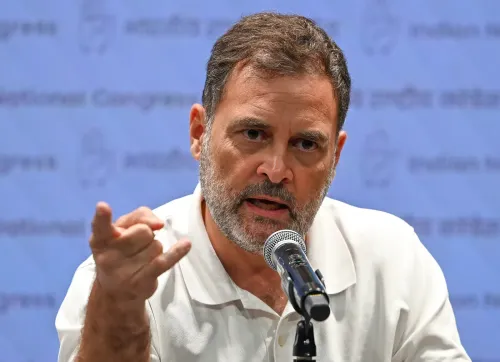
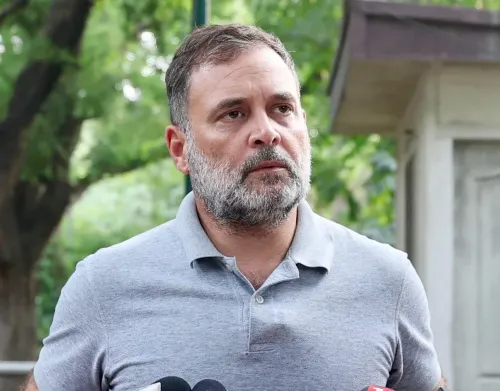
The controversy erupted on Wednesday when Leader of Opposition Rahul Gandhi made remarks during a Lok Sabha debate on the anti-paper leak bill, alleging that Home Minister Shah had ordered police to open fire on the protesters. His remarks drew immediate and strong objections from the National Democratic Alliance (NDA), which demanded an apology and called his allegations ‘false’.
Later the same day, Gandhi intensified his attack at a press conference, calling on Prime Minister Narendra Modi to remove Shah from office and order a Supreme Court-monitored independent investigation into the incident.
Gandhi’s Allegations Against the Home Ministry
Gandhi alleged that the Delhi Police and the Rapid Action Force (RAF) — both functioning under the Union Home Ministry — deployed excessive force against protesters during the 20 July march to Parliament, including pellet guns and lathis. He framed the Home Minister’s culpability in stark terms: “If he ordered it, he is culpable. If he did not know, then he is incompetent. In either case, he has to go.”
Gandhi presented what he described as only two possible conclusions: either Shah directed the crackdown, or he was unaware of it — both of which, he argued, warranted the minister’s removal.
Background and Context
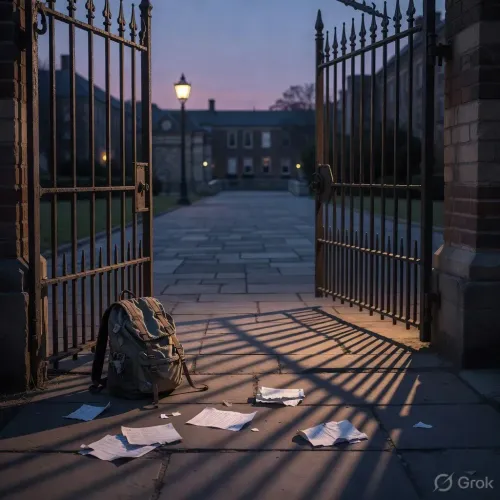
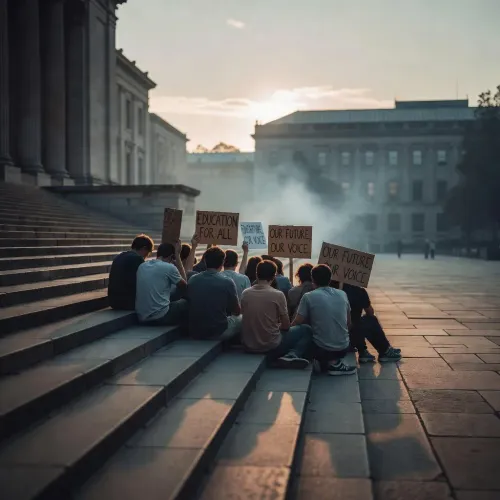
The 20 July student protest march to Parliament was part of a broader agitation over the paper leak controversy. The alleged use of pellet guns against demonstrators — a tactic more commonly associated with crowd control in conflict zones — has drawn significant criticism from opposition parties. This is not the first time pellet gun use by security forces has triggered a political flashpoint in India; similar controversies have previously surfaced in Jammu and Kashmir. The opposition’s demand for a Supreme Court-monitored inquiry signals an escalation beyond the usual parliamentary point-scoring.
What Comes Next
With Parliament in session, pressure is mounting on the government to respond formally. The opposition is expected to continue pressing for a statement from Home Minister Shah, while the ruling dispensation has so far maintained that Gandhi’s allegations are baseless. Whether Shah addresses Parliament on the matter — or the government orders any independent inquiry — will be closely watched in the coming days.
Point of View
Who authorises non-lethal but injurious crowd-control weapons against civilian protesters? The government’s initial denial, followed by silence once use was confirmed, is a pattern that tends to harden opposition narratives rather than defuse them. Rahul Gandhi’s binary — culpable or incompetent — is rhetorically effective precisely because the Home Ministry has not offered a third explanation. A Supreme Court-monitored inquiry, if it materialises, would set a significant precedent for executive accountability over police action in the capital.
NationPress
13 Sept 2026
Frequently Asked Questions
What did Kapil Sibal say about Amit Shah and the pellet gun controversy?
Sibal argued that Home Minister Amit Shah must issue a parliamentary statement on the alleged use of pellet guns against protesting students, regardless of which local official accepted responsibility. He contended that authorisation for such weapons can only come from the highest levels of authority.
When and where did the student protest that sparked this controversy take place?
The protest in question was a student march to Parliament on 20 July in New Delhi, held as part of a broader agitation over the paper leak controversy. Allegations of excessive force, including pellet guns and lathis, emerged after that demonstration.
What did Rahul Gandhi allege against Home Minister Amit Shah?
Gandhi alleged during a Lok Sabha debate that Shah ordered Delhi Police and the Rapid Action Force to use force against protesters. At a subsequent press conference, he called on PM Modi to remove Shah and demanded a Supreme Court-monitored independent inquiry into the incident.
How has the government responded to these allegations?
The NDA rejected Gandhi’s allegations as false and demanded an apology. Home Minister Amit Shah has not issued a formal statement in Parliament on the matter, which is itself the central point of the opposition’s criticism.
Why is the use of pellet guns significant in this context?
Pellet guns are a form of non-lethal but potentially injurious crowd-control weapon. Critics argue their use against student protesters in the national capital is disproportionate, and opposition leaders contend that deployment of such weapons requires authorisation from senior government officials, making the Home Ministry directly accountable.