Rahul Gandhi Slams Pellet Gun Use on Delhi Student Protesters
Synopsis
Congress leader Rahul Gandhi on July 26, 2026, accused Delhi police of using pellet guns, lathis, and tear gas on students protesting paper leaks, citing the case of 19-year-old Sahil Lochab who may lose an eye, and directly questioned Home Minister Amit Shah over the crackdown.
Key Takeaways
Congress leader Rahul Gandhi accused Delhi police of deploying pellet guns, lathis, and tear gas against students peacefully protesting paper leaks on July 26, 2026 .
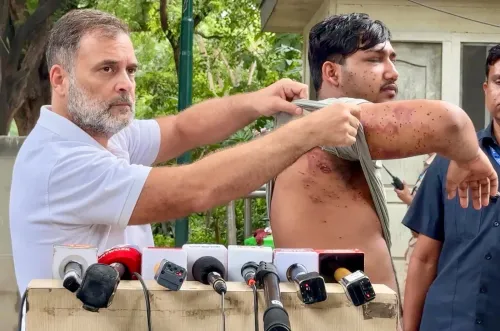
Sahil Lochab , aged 19 , was allegedly shot with pellets during the protest and risks losing an eye, according to Gandhi.
Gandhi directly addressed Union Home Minister Amit Shah in his post, signalling parliamentary and political escalation.
The protest is linked to recurring student agitations over paper leaks in national competitive examinations such as NEET and JEE .
The opposition is expected to raise the issue during the monsoon session of Parliament , pressing for accountability on both police conduct and examination reform.
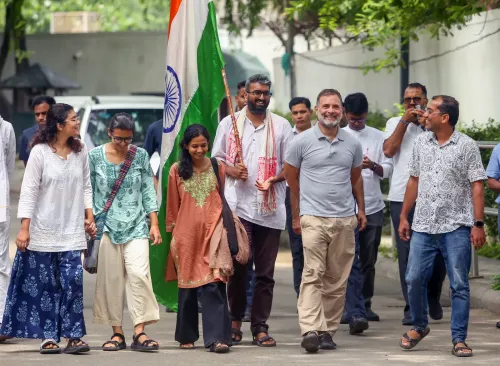
Congress leader Rahul Gandhi on Sunday, July 26, 2026, accused Delhi police of using pellet guns, lathis, and tear gas against students who were peacefully protesting against paper leaks in competitive examinations, and directly addressed Union Home Minister Amit Shah over the crackdown.
Context
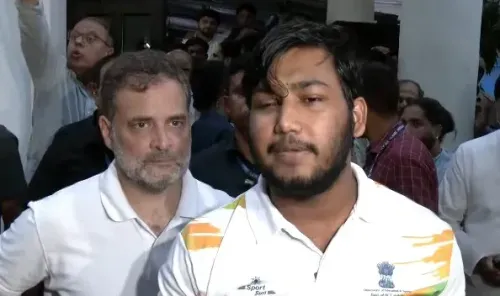
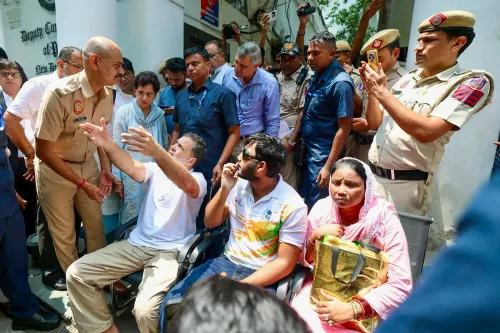
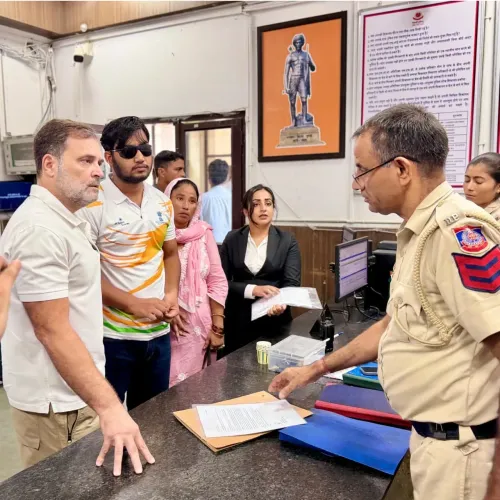
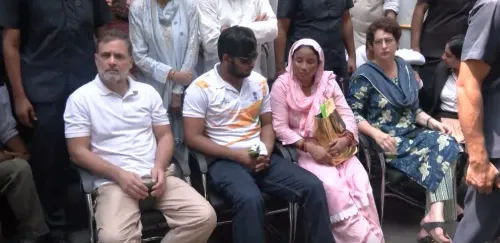
Gandhi said he personally met 19-year-old Sahil Lochab, a student he described as having been shot with pellets during the protest, with doctors warning that Lochab may lose an eye. The Leader of the Opposition framed Lochab's sole 'crime' as demanding an end to paper leaks and a fair future for students, and directed pointed questions at Home Minister Amit Shah in his post.
The post, which appears to be cut off mid-sentence, ends with Gandhi stating he has 'two' — leaving the remainder of his message unpublished or truncated in the original.
Policy Backdrop
Student protests over examination integrity have been a recurring flashpoint in India since the 2024 NEET paper leak scandal, which exposed systemic vulnerabilities in how national competitive examinations are conducted and secured. The controversy led to widespread public anger and demands for structural reform in bodies overseeing exams such as NEET and JEE.
Opposition parties, including the Indian National Congress, have consistently used the paper leak issue to press the ruling government on accountability, arguing that aspirants from economically weaker backgrounds bear the heaviest cost when examinations are compromised.
Stakeholders and Impact
At the centre of Gandhi's post is the human cost borne by individual students. The case of Sahil Lochab — a teenager allegedly blinded in one eye by a pellet — has become a focal point for opposition criticism of the police response's proportionality.
Lakhs of students preparing for national-level competitive examinations are directly affected by paper leak incidents, which invalidate months or years of preparation and delay career prospects. Student unions and civil society groups have repeatedly called for independent oversight of examination bodies and stricter anti-leak legislation.
The Ministry of Home Affairs, headed by Amit Shah, oversees central policing agencies and, in the context of Delhi — a union territory — holds significant influence over law-and-order decisions. Gandhi's direct address to Shah signals that the opposition intends to hold the Home Ministry accountable for the alleged use of force.
What's Next
Any formal response from the Ministry of Home Affairs or Delhi police authorities regarding the use of crowd-control measures against the student protesters will be closely watched. The monsoon session of Parliament provides an immediate legislative arena where opposition members are likely to raise the issue, potentially through adjournment motions or zero-hour notices focused on examination reform and police conduct.
With Gandhi's post reaching a wide audience and the image of an injured teenager at its core, pressure is likely to mount on the government to clarify the sequence of events and the orders under which force was deployed.
Point of View
Injured teenager, and simultaneously places accountability squarely on the Home Minister, making it difficult for the government to treat the incident as a routine law-and-order matter. The direct address to Amit Shah, rather than the Delhi administration, suggests the opposition sees this as a central government failure, not a local one. Set against the unresolved political fallout of the 2024 NEET paper leak, this incident risks reigniting a broader narrative about the state's treatment of aspirational youth. The truncated post — ending mid-sentence — may also be a deliberate rhetorical device, building anticipation for a follow-up that sustains media attention.
NationPress
26 Oct 2026
Frequently Asked Questions
Why are students protesting in Delhi in July 2026?
Students were protesting in Delhi demanding an end to paper leaks in national competitive examinations and accountability for those responsible, continuing a wave of agitation that began after the 2024 NEET paper leak scandal.
Who is Sahil Lochab?
Sahil Lochab is a 19-year-old student whom Rahul Gandhi says was shot with pellets by Delhi police during a protest against paper leaks, and who risks losing an eye as a result.
What did Rahul Gandhi say about the Delhi student protest?
Rahul Gandhi said pellet guns, lathis, and tear gas were used against peacefully protesting students in Delhi, cited the injury of Sahil Lochab as evidence of disproportionate force, and directly questioned Home Minister Amit Shah.
What is Amit Shah's role in the Delhi protest crackdown?
As Union Home Minister, Amit Shah oversees internal security and law enforcement. Since Delhi is a union territory, the Home Ministry holds significant influence over policing decisions, which is why Gandhi addressed him directly.
What is the NEET paper leak and how does it relate to student protests?
The NEET paper leak of 2024 exposed serious lapses in the security of India's national medical entrance examination, triggering widespread student protests demanding systemic reform, stricter anti-leak laws, and accountability — protests that have continued into 2026.