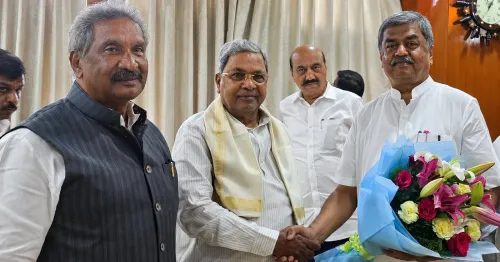
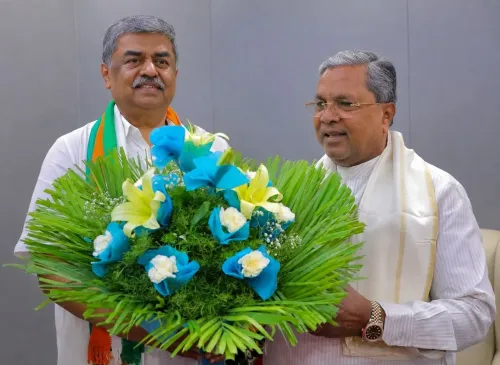
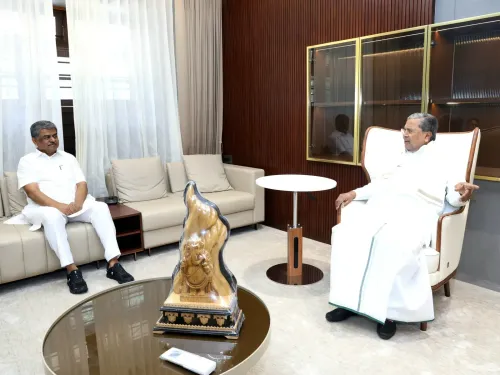
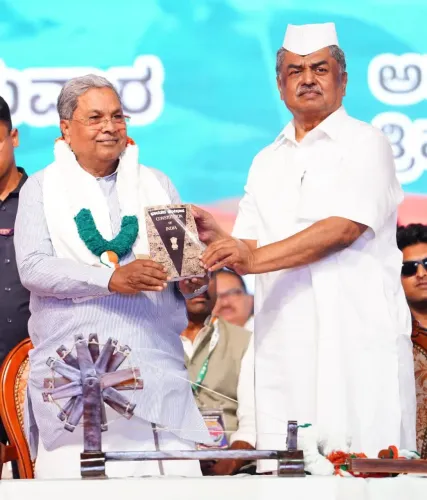
CM Siddaramaiah congratulates B.K. Hariprasad as new KPCC chief
Synopsis
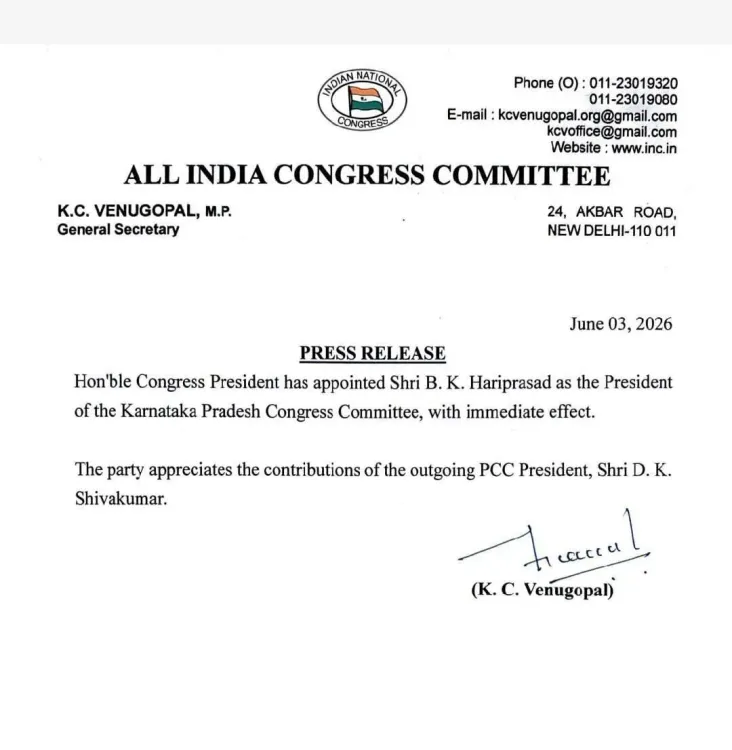
Karnataka Chief Minister Siddaramaiah congratulated veteran leader B.K. Hariprasad on his appointment as the new Karnataka Pradesh Congress Committee president, expressing confidence in his ideological commitment and political experience. He also praised outgoing KPCC chief and Deputy Chief Minister D.K. Shivakumar for ably leading the state unit through the 2023 assembly election victory and beyond.
Key Takeaways
CM Siddaramaiah publicly welcomed B.K.
Hariprasad as the new KPCC president on 3 June 2026.
He cited Hariprasad's ideological commitment, long political experience and party loyalty.
Outgoing KPCC chief D.K.
Shivakumar, currently Deputy CM, was praised for his stewardship.
Shivakumar led the state unit through the Congress's 2023 Karnataka assembly election victory.
The post signals public unity between the CM, Deputy CM and incoming state party chief.
AICC confirmation and a new KPCC team are the immediate next steps to watch.
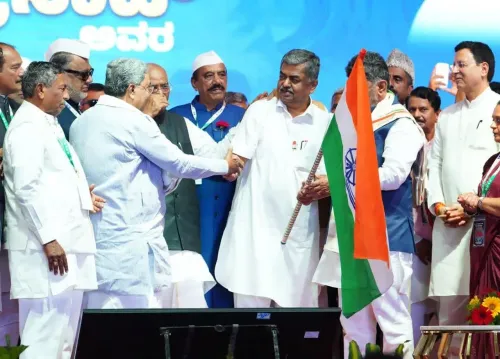
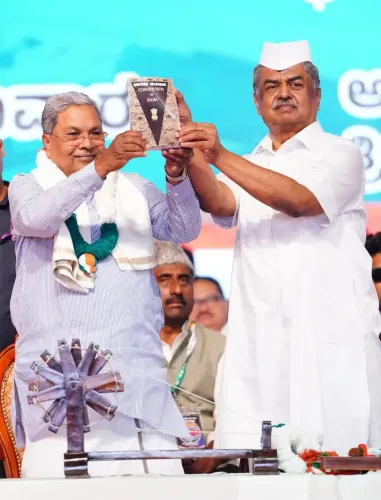
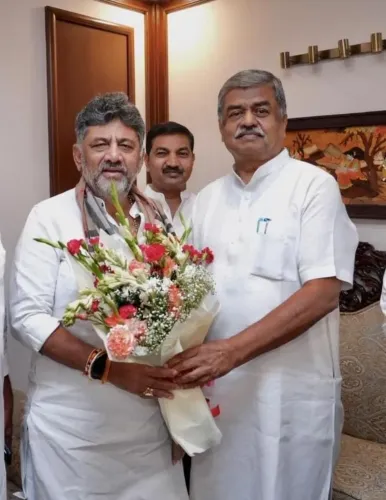
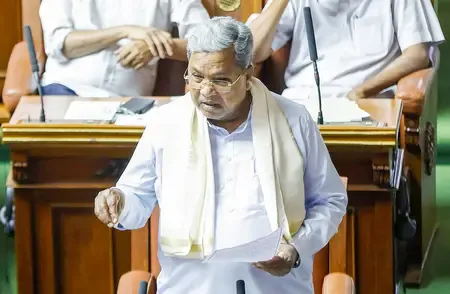
Karnataka Chief Minister Siddaramaiah on Wednesday, 3 June 2026 publicly congratulated veteran Congress leader B.K. Hariprasad on his appointment as the new president of the Karnataka Pradesh Congress Committee (KPCC). In the same post on X, the Chief Minister also commended outgoing state unit chief and Deputy Chief Minister D.K. Shivakumar for his stewardship of the organisation.
Writing in Kannada, Siddaramaiah described Hariprasad as a close colleague and said his elevation marked an important moment for the state unit. 'Heartfelt congratulations to dear B.K. Hariprasad on being appointed the new president of the Karnataka Pradesh Congress Committee,' the Chief Minister wrote, adding that Hariprasad's saiddhantika baddhate (ideological commitment), long political experience, loyalty to the party and life of struggle would steer the state Congress 'in a new direction'.
Siddaramaiah also extended his wishes for success in Hariprasad's efforts to 'strengthen the Congress party and awaken the people of the state against those opposed to democracy'. He closed the message with a separate note of appreciation for Shivakumar, calling his work leading the state unit 'praiseworthy' and tagging Hariprasad's handle, @HariprasadBK2.
Context
B.K. Hariprasad is a senior figure in Karnataka's Congress establishment with a long innings in national politics, including earlier terms in the Rajya Sabha. His elevation places a veteran organisation man at the helm of the state unit at a time when the ruling party is balancing governance responsibilities with preparations for upcoming electoral cycles.
His predecessor, D.K. Shivakumar, led the KPCC through the high-stakes 2023 Karnataka Assembly elections, which returned the Congress to power in the state with a decisive majority. Shivakumar has since served as Deputy Chief Minister in the Siddaramaiah-led cabinet while continuing to hold the state party post.
Policy backdrop
The change at the top of the KPCC fits a familiar pattern in Indian state units, where ruling parties periodically refresh organisational roles to separate government and party functions. After forming the government in 2023, the Karnataka Congress has been managing the dual demands of delivering on flagship guarantee schemes and maintaining electoral readiness across Lok Sabha, panchayat and assembly contests.
Handing the organisational reins to a leader without a heavy government portfolio is generally seen as a way to free up bandwidth for booth-level mobilisation, outreach to social coalitions and coordination with the All India Congress Committee (AICC) in New Delhi. Siddaramaiah's framing of Hariprasad's mandate, particularly the reference to countering forces 'opposed to democracy', signals a sharper political-campaign posture for the state unit.
Stakeholders and impact
For Congress workers across Karnataka's 31 districts, the appointment resets reporting lines and committee structures that flow from the KPCC president's office. District and block-level office-bearers are typically reconstituted in the months following such a change, with implications for ticket distribution and campaign committees.
For the state's political opposition, including the Bharatiya Janata Party and the Janata Dal (Secular), a more aggressive KPCC under a known parliamentarian could mean sharper messaging on national issues alongside the state government's welfare pitch. Siddaramaiah's public endorsement also serves an internal signalling function, projecting unity between the Chief Minister, his Deputy and the incoming party chief at a moment when factional speculation routinely surrounds the Karnataka Congress.
What's next
Attention will now turn to formal communications from the AICC confirming the appointment, the swearing-in or charge-taking ceremony in Bengaluru, and the first round of organisational meetings convened by Hariprasad. The composition of the new KPCC team, including working presidents and general secretaries, will indicate how the state unit intends to balance caste, regional and generational considerations.
The broader test will come in the next set of electoral and local-body contests, where the new president's ability to translate Siddaramaiah's public confidence into ground-level results will define the early arc of his tenure.
Point of View
On-the-record endorsement is as much an internal management move as a courtesy. By praising both Hariprasad and Shivakumar in the same breath, Siddaramaiah is publicly defusing any suggestion that the transition reflects a demotion for his Deputy. The choice of a Rajya Sabha veteran for the organisational post fits a national Congress pattern of separating government leadership from party machinery as elections approach. The real signal will lie in the composition of the new KPCC team and how aggressively it pivots to campaign mode.
NationPress
24 Oct 2026
Frequently Asked Questions
Who is the new Karnataka Pradesh Congress Committee president?
B.K. Hariprasad has been appointed the new president of the Karnataka Pradesh Congress Committee. He is a senior Congress leader and former Rajya Sabha member with long experience in the party's national organisation.
Why did D.K. Shivakumar step down as KPCC chief?
D.K. Shivakumar's exit reflects a routine separation of government and party roles, as he continues to serve as Karnataka's Deputy Chief Minister. He had led the KPCC through the Congress's 2023 assembly election win and the early phase of the current government.
What did CM Siddaramaiah say about B.K. Hariprasad?
Siddaramaiah congratulated Hariprasad and said his ideological commitment, long political experience, party loyalty and life of struggle would steer the Karnataka Congress in a new direction. He also wished him success in strengthening the party and mobilising voters.
When did Siddaramaiah make the announcement?
The Chief Minister posted his congratulatory message on X on 3 June 2026. The post was written in Kannada and tagged B.K. Hariprasad's official handle.
What does the KPCC change mean for Karnataka politics?
The change places a veteran organisation man in charge of the state party while the Chief Minister and Deputy Chief Minister focus on governance. It is widely seen as preparation for upcoming electoral and local-body contests in Karnataka.