Siddaramaiah joins KPCC protest demanding CEC Gyanesh Kumar's arrest
Synopsis
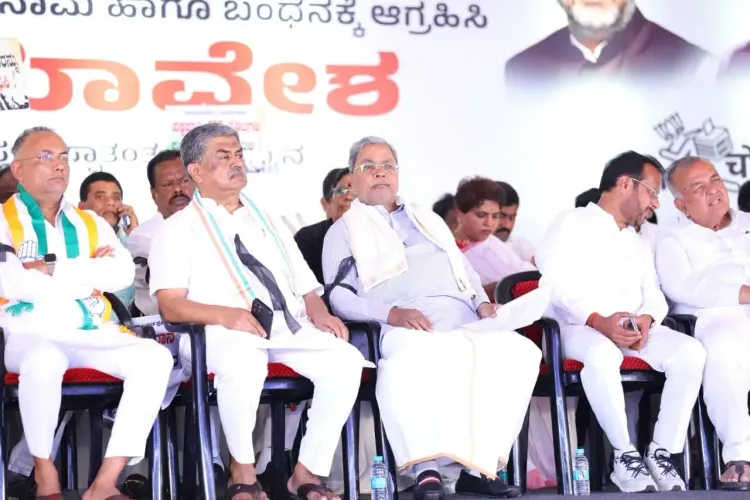
Karnataka Chief Minister Siddaramaiah joined a KPCC-organised protest in Bengaluru on September 26, 2026, demanding the dismissal and arrest of Chief Election Commissioner Gyanesh Kumar, condemning his conduct as authoritarian. KPCC President B.K. Hariprasad and Chief Minister D.K. Shivakumar also participated.
Key Takeaways
Karnataka CM Siddaramaiah personally joined a Congress protest in Bengaluru on September 26, 2026 .
The protest was organised by the Karnataka Pradesh Congress Committee (KPCC) and demanded the dismissal and arrest of Chief Election Commissioner Gyanesh Kumar .
Siddaramaiah described Kumar's conduct as 'authoritarian' ( sarvadikari ).
Hariprasad and Chief Minister D.K.
Shivakumar were also present at the protest.
The protest is part of Congress's sustained campaign criticising the Election Commission following the 2024 Lok Sabha elections .
No formal response from the Election Commission has been issued as of the time of the post.
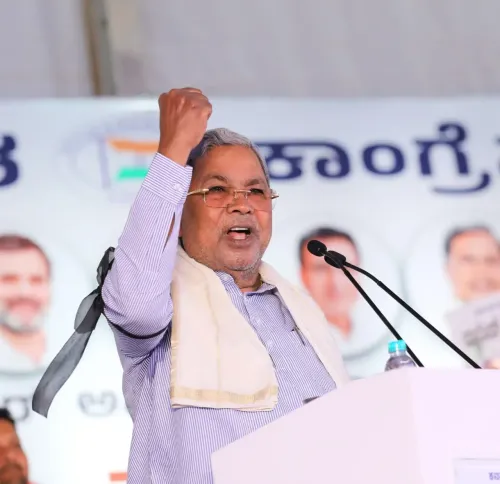
A sharp political salvo landed in Bengaluru on Saturday, September 26, 2026, as Karnataka Chief Minister Siddaramaiah took to the streets alongside senior Congress leaders to demand the dismissal and arrest of Chief Election Commissioner Gyanesh Kumar — a rare moment of a sitting chief minister joining a street protest against a constitutional authority.
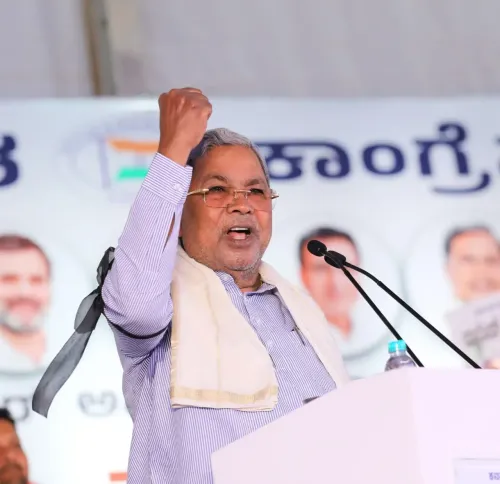
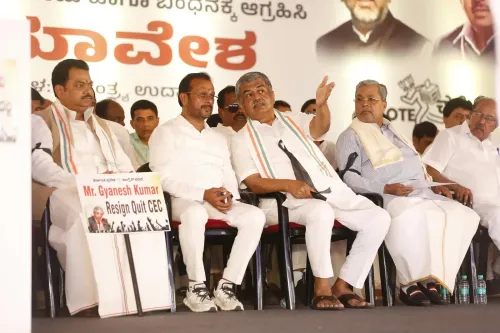
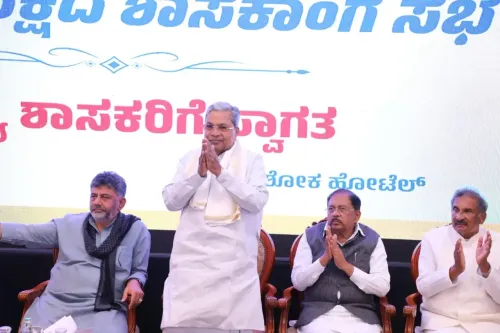
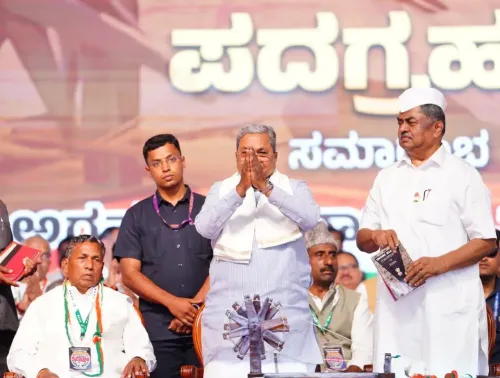
Siddaramaiah posted on X that he participated in the protest organised by the Karnataka Pradesh Congress Committee (KPCC) in Bengaluru, condemning what he called Gyanesh Kumar's 'authoritarian conduct.' Joining him were KPCC President B.K. Hariprasad and Chief Minister D.K. Shivakumar, along with several other senior party leaders.
What the Congress is demanding — and why
The protest crystallised two blunt demands: the removal of the Chief Election Commissioner from office and his arrest. Siddaramaiah's post framed the CEC's actions as 'sarvadikarinade' — authoritarian conduct — language that signals Congress views this not as a procedural dispute but as a fundamental challenge to democratic norms.
The Indian National Congress has sustained a campaign of institutional criticism against the Election Commission since the 2024 Lok Sabha elections, alleging procedural irregularities and what the party describes as overreach by the poll body. The Bengaluru demonstration is the latest — and among the most senior-level — escalations in that campaign.
Three of Karnataka's heaviest political hitters on one stage
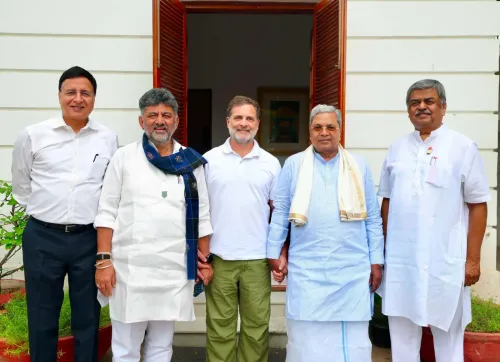
The presence of Siddaramaiah, Hariprasad, and Shivakumar at the same protest is itself a headline. These are the three most powerful figures in Karnataka's Congress hierarchy, and their joint appearance signals the party is treating the Election Commission controversy as a priority mobilisation issue, not a peripheral grievance.
It also reflects a broader national pattern: opposition parties have consistently used post-election periods to publicly confront the Election Commission, staging protests that serve both as formal statements of dissent and as organisational exercises for state party units. The KPCC's decision to stage this demonstration gives those national-level grievances a visible Karnataka address.
What happens next
The Election Commission has not yet issued a formal response to the protest or the demands raised. Formal follow-up could come through parliamentary channels, legal petitions, or further mass protests — all of which the Congress has used in previous confrontations with the poll body. For now, the Bengaluru streets have delivered the loudest signal yet that Karnataka's Congress leadership intends to keep this pressure on.
When a chief minister personally joins a protest demanding the arrest of a constitutional officer, the political temperature is not merely rising — it is being deliberately stoked.
Point of View
Moving the Congress's critique from parliamentary statements to visible, leadership-led mass action. The joint presence of three of Karnataka's most senior Congress figures signals this is a coordinated strategic move, not a spontaneous reaction. Historically, such public confrontations with the Election Commission serve dual purposes: they keep electoral grievances alive in public discourse and galvanise state-level party cadres. The key question now is whether the demands will be channelled into formal legal or parliamentary action, which would substantially raise the institutional stakes.
NationPress
26 Sept 2026
Frequently Asked Questions
Why did Siddaramaiah protest against Chief Election Commissioner Gyanesh Kumar?
Siddaramaiah participated in a KPCC-organised protest in Bengaluru on September 26, 2026, condemning what he called the 'authoritarian conduct' of Chief Election Commissioner Gyanesh Kumar and demanding his dismissal and arrest. The Congress party has been critical of the Election Commission since the 2024 Lok Sabha elections.
What did the KPCC protest in Bengaluru demand?
The Karnataka Pradesh Congress Committee protest on September 26, 2026, demanded that Chief Election Commissioner Gyanesh Kumar be dismissed from office and arrested.
Who else participated in the Bengaluru protest against the CEC?
KPCC President B.K. Hariprasad and Karnataka Chief Minister D.K. Shivakumar, along with several other senior Congress leaders, participated alongside Siddaramaiah.
What has Congress said about the Election Commission's conduct?
Congress has consistently alleged procedural irregularities and institutional overreach by the Election Commission, particularly since the 2024 Lok Sabha elections, framing its actions as partisan and authoritarian.
Has the Election Commission responded to the Congress protest demands?
As of the time of Siddaramaiah's post on September 26, 2026, no formal response from the Election Commission had been issued regarding the KPCC protest or its demands.