CM Pema Khandu Meets ANSU on Arunachal School Gaps
Synopsis
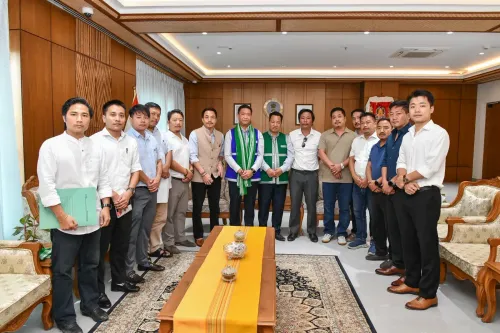
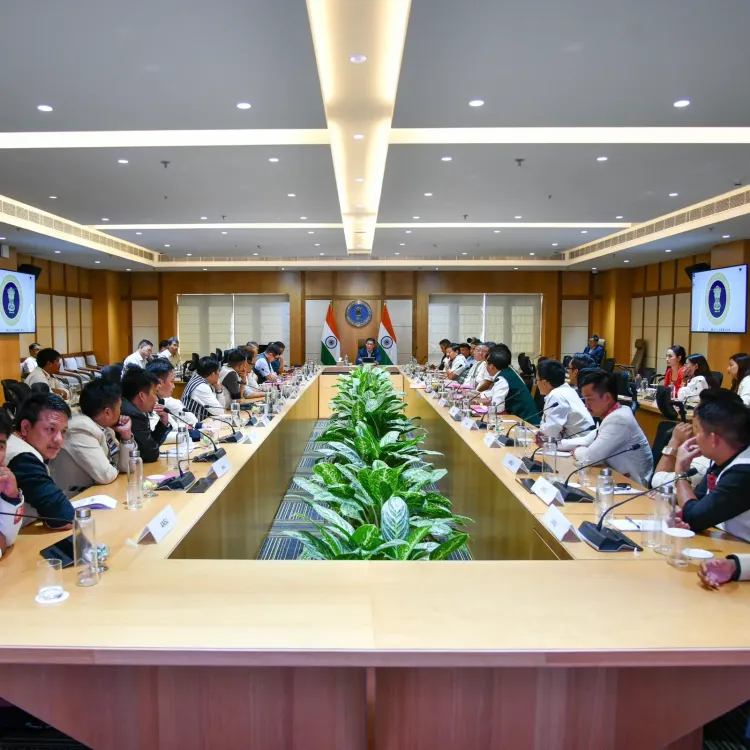
Arunachal Pradesh CM Pema Khandu met ANSU, the Nyishi Elite Society, and community legislators on September 26, 2026, to review ground-documented conditions of government schools in Nyishi areas, pledging a shared resolve to strengthen education statewide.
Key Takeaways
CM Pema Khandu held a structured dialogue with ANSU , the Nyishi Elite Society , and Nyishi community legislators on September 26, 2026 .
ANSU presented field documentation of conditions in government schools serving Nyishi-inhabited areas of Arunachal Pradesh.
Legislators from the Nyishi community were present, giving the meeting both civic and electoral standing.
The meeting concluded with a stated shared resolve to improve schools — no specific schemes or timelines were publicly announced.
The engagement follows a broader pattern of community-led documentation preceding state interventions in Arunachal Pradesh's tribal belt.
The key next step is the state education department converting ANSU's findings into concrete action plans or infrastructure projects.
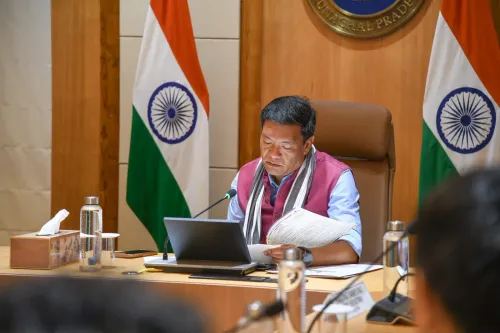
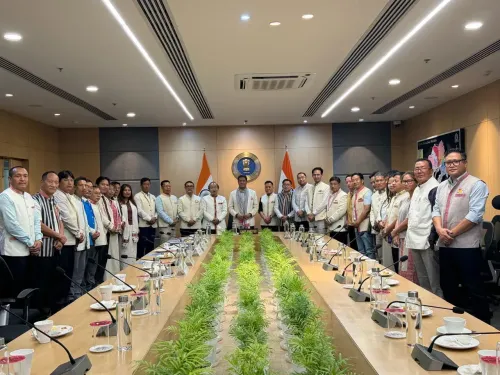
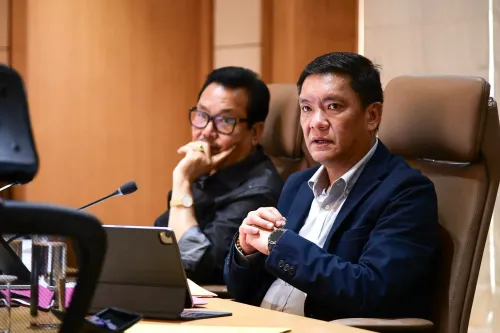
When a student union walks government corridors carrying field-documented evidence of failing schools, something rare is happening — civic accountability in action. Arunachal Pradesh Chief Minister Pema Khandu met with the All Nyishi Students' Union (ANSU) on Saturday, September 26, 2026, alongside legislators from the Nyishi community and members of the Nyishi Elite Society (NES), to examine the ground reality of government schools serving Nyishi-inhabited areas and the broader state.
What ANSU brought to the table
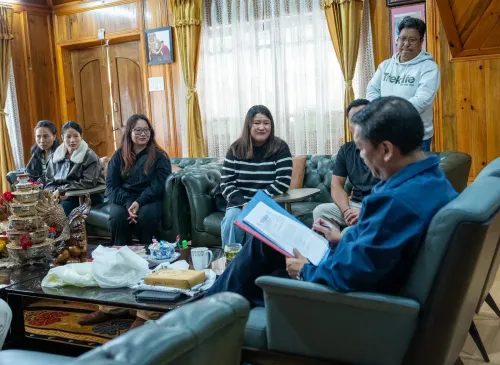
The meeting was notably driven by documentation: ANSU had gone into communities, mapped conditions in government schools, and compiled those findings before approaching the state government. Khandu called this out directly, writing on X: 'Appreciate ANSU for going to the ground, documenting the situation and bringing it before the government.' That kind of primary survey by a student body — rather than a departmental self-assessment — puts independent data in front of decision-makers.
The presence of Nyishi community legislators and the NES alongside ANSU broadened the conversation beyond student advocacy into a multi-stakeholder dialogue. Together, they represent a cross-section of Nyishi civil society, giving the discussion both electoral and cultural weight.
Government schools in Arunachal's tribal belt — a persistent challenge
Arunachal Pradesh is among India's most topographically challenging states, with dispersed tribal populations spread across high-altitude valleys and dense forest terrain. Delivering functional schooling — trained teachers, serviceable infrastructure, connectivity — to remote Nyishi areas has remained a recurring pressure point for successive state administrations.
The state is bound by the Right to Education Act, 2009, mandating free and compulsory elementary schooling, and has been aligning its programmes with the National Education Policy 2020, which emphasises infrastructure upgrades and tribal-area access. Community-led documentation exercises, like the one ANSU undertook, have historically preceded targeted state interventions in such geographies.
A shared resolve — and what follows
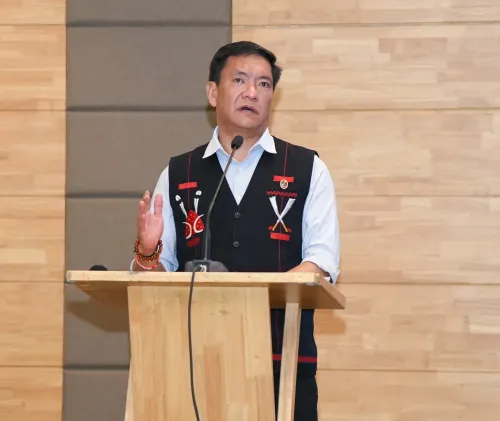
Khandu framed the outcome in terms of collective ownership: 'Education is our shared responsibility, and we resolve to work together to give our children better schools and better opportunities.' The meeting concluded, in his words, with 'a shared resolve to work together to strengthen education across Arunachal Pradesh.' No specific schemes or timelines were announced publicly from this engagement.
The immediate watch-point is the Arunachal education department's follow-through — whether ANSU's ground documentation translates into targeted infrastructure projects, teacher deployment, or a formal joint action plan. Structured community dialogue is most meaningful when it generates traceable government action, not just a communiqué.
A student union brought receipts. Now the state needs to deliver the schools.
Point of View
In the presence of Nyishi legislators and the NES, reflects a deliberate community-governance model that the BJP-led state government has deployed across social sectors. In a state where difficult terrain makes top-down school audits unreliable, crowdsourcing accountability to student unions is both politically shrewd and administratively practical. The broader arc here is Arunachal Pradesh's effort to align dispersed tribal communities with NEP 2020 implementation — a process that requires exactly this kind of structured civil-society input. The real test, however, is institutional follow-through: dialogue is currency; school buildings and teachers are the payoff.
NationPress
26 Sept 2026
Frequently Asked Questions
Why did ANSU meet CM Pema Khandu?
The All Nyishi Students' Union met Chief Minister Pema Khandu on September 26, 2026, to present field documentation of conditions in government schools serving Nyishi-inhabited areas and to seek state intervention to improve educational infrastructure.
What is ANSU and what does it do?
ANSU, the All Nyishi Students' Union, is the student organisation of the Nyishi tribe in Arunachal Pradesh. It conducts ground-level surveys of issues affecting the community — including school infrastructure — and advocates with the state government for redress.
What is the Nyishi Elite Society (NES)?
The Nyishi Elite Society is the apex community body of the Nyishi people in Arunachal Pradesh. It participates in discussions with the government on tribal welfare issues, including education, alongside elected legislators.
What education policies apply to government schools in Arunachal Pradesh?
Arunachal Pradesh implements the Right to Education Act, 2009, mandating free and compulsory elementary education, and is rolling out the National Education Policy 2020, which emphasises infrastructure upgrades and improved access for tribal and remote-area communities.
What outcomes came from the Khandu-ANSU meeting on September 26, 2026?
The meeting concluded with a stated shared resolve to work together to strengthen education across Arunachal Pradesh. No specific schemes, budgets, or timelines were announced publicly; follow-up action from the state education department is the key thing to watch.