Dr. Jitendra Singh Holds Public Darbar in Tikri, Udhampur
Synopsis
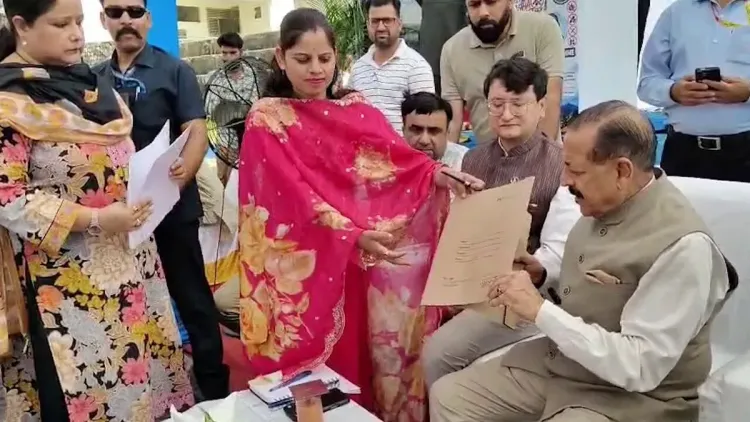
Union Minister Dr. Jitendra Singh conducted a Public Darbar in Tikri, Udhampur under the Seva Sankalp Abhiyan on 29 September 2026, resolving multiple constituent grievances on the spot and directing senior officials to act immediately on remaining issues.
Key Takeaways
Jitendra Singh held a Public Darbar in Tikri, Udhampur on 29 September 2026 under the Seva Sankalp Abhiyan programme.
Several constituent grievances were resolved on the spot during the event.
Senior district administration officials were present, enabling immediate directives to relevant officers for unresolved cases.
The darbar format compresses the petition-to-resolution cycle by placing the minister and decision-making officials in the same room as residents.
Further events under the same abhiyan are expected across other parts of the Udhampur constituency.
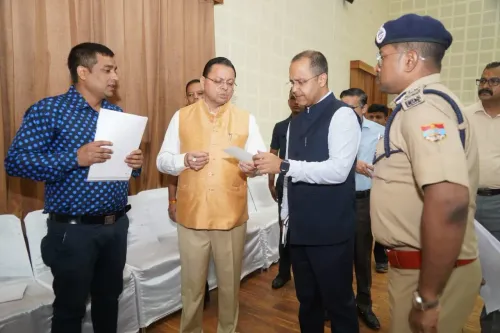
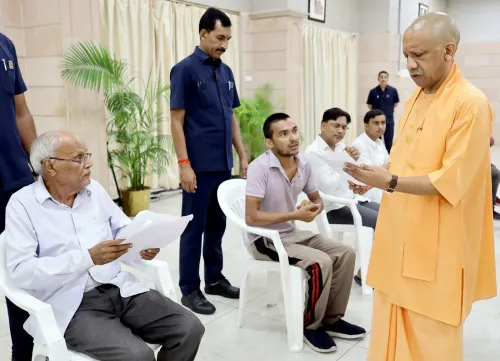
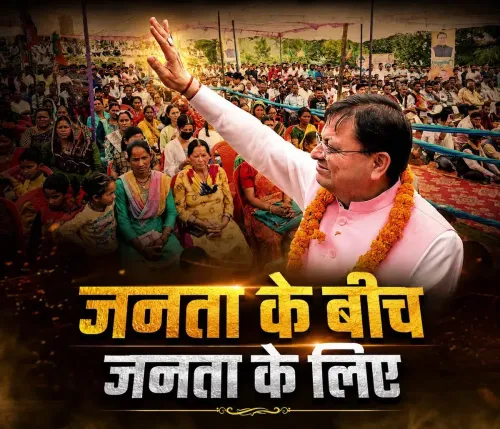
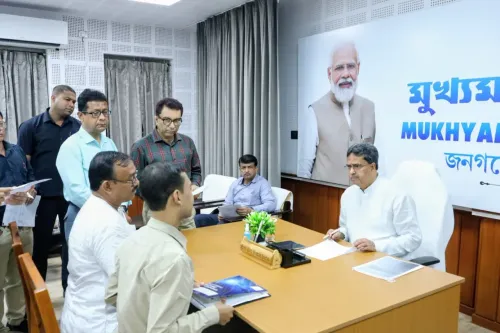
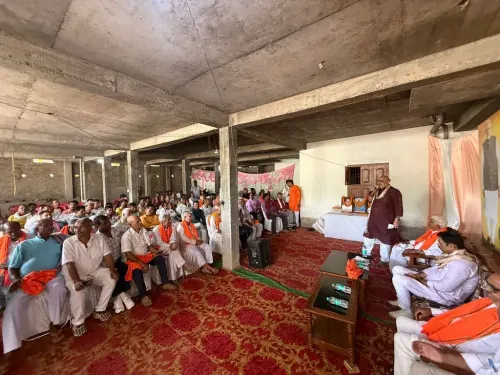
Residents of Tikri, Udhampur got a rare direct line to power on Tuesday, 29 September 2026 — and several walked away with on-the-spot answers. Union Science and Technology Minister Dr. Jitendra Singh convened a Jan Darbar (public grievance court) under the #SevaSankalpAbhiyan programme, sitting face-to-face with local constituents, hearing their concerns, and directing senior district officials to act — some cases resolved before the gathering even dispersed.
What Happened Inside the Tikri Jan Darbar
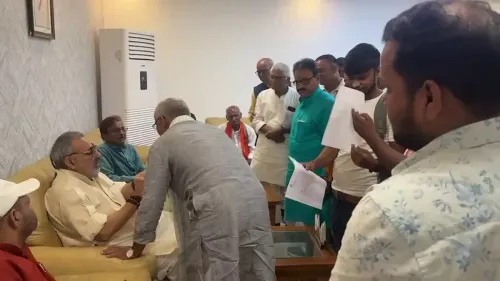
The minister engaged in what he described as 'aatmeeya samvaad' — an intimate, candid dialogue — with residents across a range of civic and welfare issues. Several grievances were addressed on the spot, a deliberate design feature of the darbar format that bypasses the usual bureaucratic lag. For issues requiring more time, Dr. Singh issued immediate instructions to the relevant administrative officers present at the venue.
The presence of senior district administration officials alongside the minister was central to the exercise. Having decision-makers in the same room compressed what can otherwise be a weeks-long cycle of petition, referral, and response into a single sitting.
The Seva Sankalp Abhiyan and J&K's Darbar Tradition
Public darbars have deep roots in Jammu and Kashmir's governance culture — a format through which rulers and, later, elected representatives have historically made themselves accessible to ordinary citizens. The Seva Sankalp Abhiyan frames this tradition within a structured outreach programme, giving it a campaign identity and a schedule across the constituency.
For Udhampur — a Lok Sabha constituency that Dr. Singh represents — these events serve a dual function: they are simultaneously a constituent-service mechanism and a visible signal that the administration is responsive and present. The minister has conducted similar outreach exercises across the constituency in the past.
What Residents and Officials Can Expect Next
The abhiyan's format implies a rolling calendar — further darbars in other parts of the Udhampur constituency are the logical next step. Officers who received on-the-spot directives at Tikri will now be on the clock. The test of any public darbar is not the day itself but the follow-through: whether the instructions issued in that room translate into resolved files and completed works on the ground.
For a region where the gap between citizen and administration can feel wide, a minister who shows up, listens, and gives orders in public sets a measurable accountability benchmark — one that local residents will be watching.
Point of View
High-visibility governance tool that elected representatives in Jammu and Kashmir have long used to demonstrate administrative responsiveness — particularly valuable in a region where institutional trust has historically been contested. By embedding senior officials in the same space as the minister, the Seva Sankalp Abhiyan attempts to convert political symbolism into operational accountability. The real measure will be post-darbar follow-through: whether on-the-spot directives translate into completed actions, or remain aspirational gestures. For Dr. Singh, these constituency events also reinforce his electoral presence in Udhampur ahead of any future political cycle.
NationPress
29 Sept 2026
Frequently Asked Questions
What is the Seva Sankalp Abhiyan?
The Seva Sankalp Abhiyan is an outreach programme under which Union Minister Dr. Jitendra Singh conducts structured public darbars across his Udhampur constituency to hear and resolve constituent grievances directly.
What is a Public Darbar and how does it work?
A Public Darbar is a direct grievance redressal event where an elected representative or official meets citizens face-to-face, hears their problems, and issues instructions to administrative officers — often resolving issues on the spot.
Where was the 29 September 2026 darbar held?
The darbar was held in Tikri , a locality in the Udhampur district of Jammu and Kashmir.
What issues were raised at the Tikri Public Darbar?
The post indicates a range of civic and public welfare issues were discussed. Several were resolved on the spot; for others, Dr. Singh directed relevant district officials to take immediate action.
Will Dr. Jitendra Singh hold more such darbars in Udhampur?
The Seva Sankalp Abhiyan is a structured programme, and further public darbars across other parts of the Udhampur constituency are expected as part of the same campaign.