CM Dhami's Vision Drives Sipti Waterfall Makeover in Champawat
Synopsis
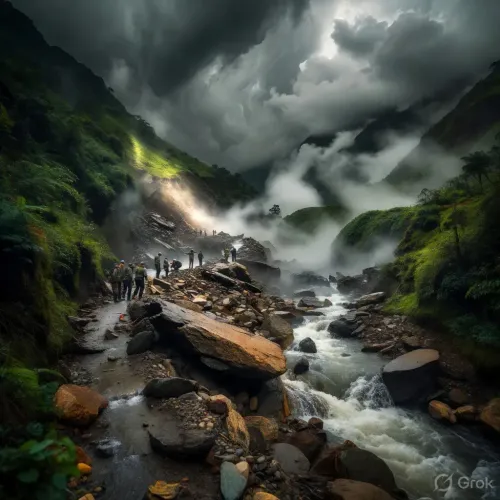
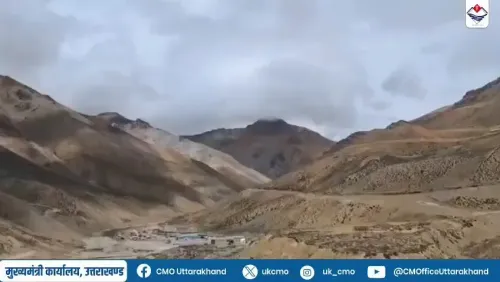
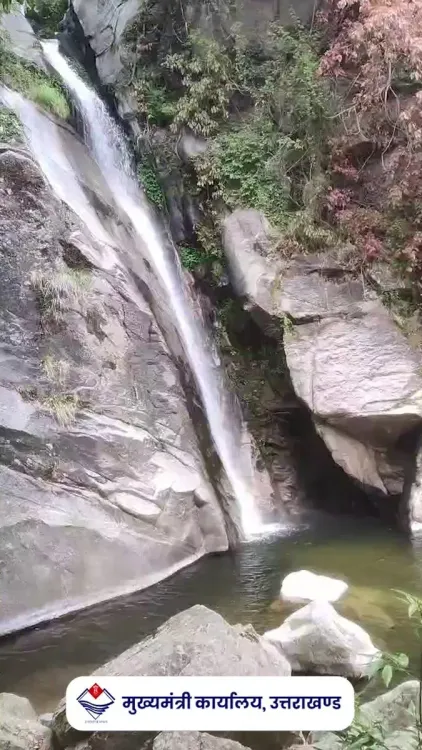
The Uttarakhand CMO announced the rejuvenation of the Sipti Waterfall area in the border district of Champawat, in line with CM Pushkar Singh Dhami's vision for frontier-district tourism development. Tourists can now access the natural waterfall with ease, marking a step in the state's strategy to expand its tourism footprint into remote hill districts.
Key Takeaways
The Sipti Waterfall area in Champawat district has been revamped, per an announcement by the Uttarakhand Chief Minister's Office on 29 May 2026 .
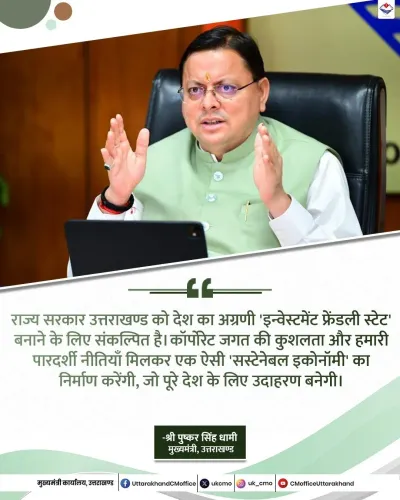
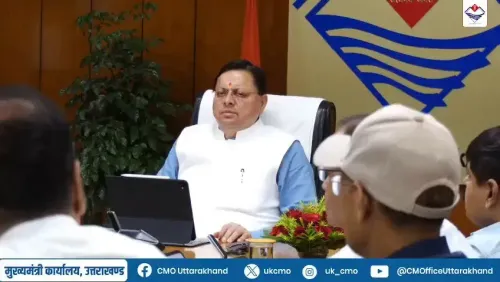
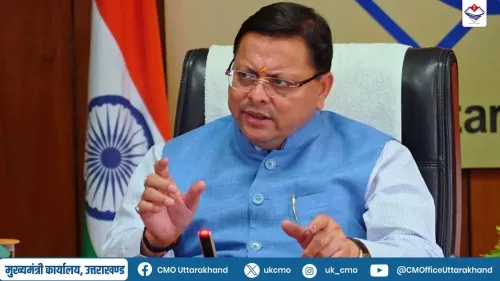
The development is attributed to the vision of Chief Minister Pushkar Singh Dhami , who has prioritised border-district development since taking office in 2021 .
The CMO noted that tourists are now reaching the natural waterfall 'with ease', indicating improved last-mile access.
Champawat is a border district in the Kumaon region of Uttarakhand, adjacent to Nepal , and has historically seen limited tourist traffic.
The project aligns with Uttarakhand's broader strategy to stimulate local economies in migration-prone hill districts through tourism revenue.
The Chief Minister's Office of Uttarakhand announced on Friday, 29 May 2026, that the Sipti Waterfall area in the border district of Champawat has undergone a comprehensive transformation, in line with the vision of Chief Minister Pushkar Singh Dhami to develop frontier districts as tourism destinations.
The official post stated: 'सीमांत जनपद चम्पावत में स्थित सिप्टी वॉटरफॉल क्षेत्र का हुआ कायाकल्प' — ('The Sipti Waterfall area located in the border district of Champawat has been rejuvenated') — and noted that tourists are now able to reach the natural waterfall with ease.
Context
Champawat is a remote district in Uttarakhand's Kumaon region, sharing a border with Nepal. Historically, such frontier districts have received limited tourist footfall due to poor access infrastructure, despite harbouring significant natural assets. The Sipti Waterfall is one such site — a natural cascade that had remained largely inaccessible to the average visitor. The announcement signals that site-level improvements — including, in all likelihood, access trails, approach roads, or basic visitor amenities — have been completed at the location. The CMO's framing around 'ease of access' points specifically to last-mile connectivity as the central intervention.Policy Backdrop
Chief Minister Dhami, who has held office since 2021, has repeatedly flagged border-district development as a strategic priority, arguing that economic activity in migration-prone areas like Champawat can be stimulated through tourism revenue rather than large-scale industrial investment. The state government has pursued incremental improvements across hill and border districts — road widening, trail development, and tourist-site upgrades — as part of a wider effort to extend Uttarakhand's tourism circuit beyond the well-worn routes of Haridwar, Rishikesh, and the Char Dham. This approach treats existing natural assets as economic anchors, requiring relatively modest capital investment to generate visitor traffic and associated local livelihoods. The Sipti Waterfall project fits squarely within that template.Stakeholders and Impact
The most direct beneficiaries of improved access at Sipti Waterfall are local residents of Champawat district — homestay operators, small eateries, local guides, and transport providers who stand to gain from increased visitor numbers. For tourists, the upgrade lowers the barrier to experiencing a natural site that was previously difficult to reach. Broader state-level stakeholders include the Uttarakhand Tourism Development Board and district administration, who can use the site as a showcase for border-area development. For a district like Champawat — which, like many Kumaon hill districts, has experienced significant out-migration — even modest tourism revenue can have an outsized effect on local economic sentiment.What's Next
The practical test of the Sipti Waterfall upgrade will come in the upcoming tourist season, when district-level arrival data will indicate whether the infrastructure improvements have translated into measurable footfall. Analysts watching Uttarakhand's border-district tourism strategy will also track whether the state budget allocates further resources to similar natural sites in Champawat and adjoining frontier districts. If the Sipti model demonstrates a replicable pattern — low-cost access improvements unlocking natural attractions — it could accelerate the state's push to diversify its tourism geography and reduce the pressure on over-visited pilgrimage circuits.Point of View
' the CMO is clearly building a political narrative around border-area development ahead of future electoral cycles. The strategy of leveraging low-cost natural assets to generate economic activity in out-migration zones is sound in principle, but its success will hinge on whether access improvements alone are sufficient to generate sustained footfall without complementary investment in hospitality and connectivity. The real measure of this initiative will come when district-level tourism data from Champawat is made public.
NationPress
13 Oct 2026
Frequently Asked Questions
Where is Sipti Waterfall located?
Sipti Waterfall is located in Champawat district, a border district in the Kumaon region of Uttarakhand, near the Nepal border.
What work was done at Sipti Waterfall Champawat?
The Uttarakhand CMO announced a 'rejuvenation' of the Sipti Waterfall area, with improvements aimed at making the site easily accessible to tourists. The exact scope of the works has not been detailed in the official announcement.
Who ordered the development of Sipti Waterfall?
The development is attributed to the vision of Chief Minister Pushkar Singh Dhami, who has prioritised tourism infrastructure in Uttarakhand's border districts since taking office in 2021.
Why is Champawat being developed for tourism?
Champawat is a remote, migration-prone border district with significant natural assets but historically poor tourist access. The Uttarakhand government is developing such districts to generate local economic activity through visitor revenue.
How does Sipti Waterfall fit into Uttarakhand's tourism strategy?
Sipti Waterfall is part of Uttarakhand's strategy to extend its tourism circuit beyond established pilgrimage routes like Char Dham, by improving access to natural sites in frontier and hill districts to diversify revenue and support local livelihoods.