SIR is legitimate, Opposition free to protest within rules: BJP leaders
Synopsis
Bihar's BJP ranks closed ranks on Thursday to defend the Special Intensive Revision of electoral rolls, acknowledging the Opposition's right to protest while dismissing their presidential petition as without merit. With Opposition parties alleging targeted disenfranchisement and BJP leaders accusing them of power-hunger, the SIR has become the latest arena for a high-stakes battle over electoral credibility ahead of state polls.
Key Takeaways
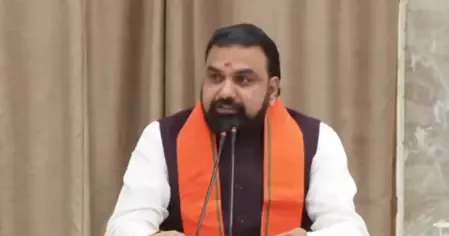
BJP Bihar President Sanjay Saraogi defended the Special Intensive Revision (SIR) as a legitimate electoral roll cleanup on 8 October 2026 .
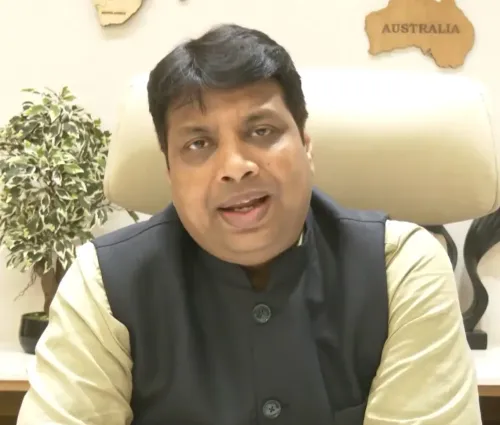
Bihar Minister Dilip Jaiswal outlined the three grounds for voter deletion: death, duplicate entries, and untraceable addresses.
Jaiswal also personally attacked Congress leader Rahul Gandhi , accusing the Opposition of 'restlessness for power.' Bihar Minister Ram Kripal Yadav backed Chief Election Commissioner Gyanesh Kumar , saying he conducted elections free from outside influence.
BJP MP Ashok Mittal urged the Leader of the Opposition to protest within democratic rules.
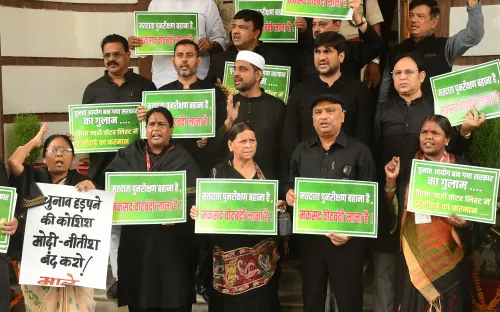
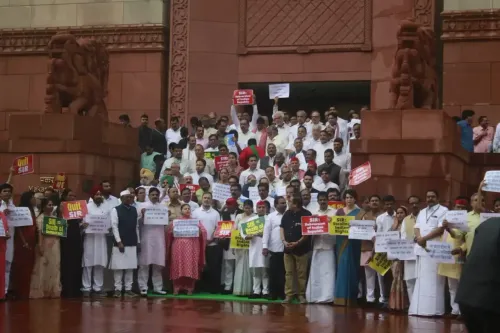
The Opposition had sought a meeting with President Droupadi Murmu over the SIR; BJP leaders said they are free to do so but called the grievance invalid.
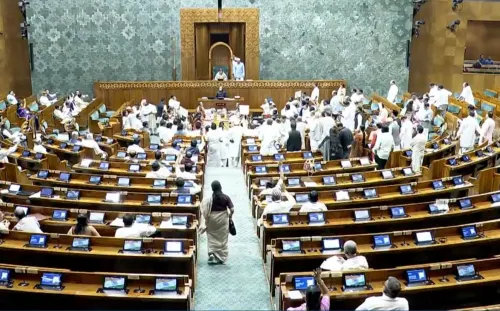
Bharatiya Janata Party (BJP) leaders in Bihar on Thursday, 8 October 2026, defended the Special Intensive Revision (SIR) of electoral rolls as a constitutionally valid exercise, even as they acknowledged the Opposition's right to protest and seek a presidential audience — provided established procedures are followed. The remarks came amid a growing political controversy over the Election Commission's ongoing SIR drive.
BJP's Defence of the SIR Process
BJP Bihar President Sanjay Saraogi stated that the SIR is fully within the rights of the Election Commission and serves a necessary housekeeping function for the electoral rolls. 'They should meet anyone they want to. It is their constitutional right. Anyone can meet the President as per the procedure and rules if the President grants permission. But the issue on which they want to meet is not an issue at all,' Saraogi said. He added that the revision is aimed at removing the names of deceased persons, those with duplicate entries, people who have permanently relocated, and — as he alleged — 'Bangladeshis and Rohingyas.'
Bihar Minister Dilip Jaiswal put it in simpler terms: 'If a voter has died, should their name not be removed? There are only three things. The name of a deceased voter should be removed. If a voter's name appears in two places, it should be removed from one place. And if a voter has given an address saying they live in a particular locality, but when officials go there, they are told that no person by that name has lived there for 20 years, their name should be removed. That is what SIR is.'
Sharp Words for Rahul Gandhi
Jaiswal did not limit his remarks to the SIR's mechanics. Targeting Congress leader Rahul Gandhi by name, he said, 'Rahul Gandhi understands neither Hindi nor English. This is the restlessness for power. In the desperation for power, a person becomes ready to do anything.' The remarks signal that the BJP intends to frame Opposition objections as politically motivated rather than procedurally grounded.
Election Commission Backed, Opposition Urged to Follow Rules
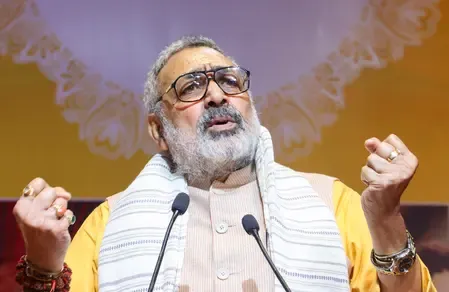
Bihar Minister Ram Kripal Yadav vouched for Chief Election Commissioner Gyanesh Kumar, saying he 'discharged his responsibilities and conducted the elections… establishing democracy without coming under anyone's influence.' The comment appeared to be a pointed rebuttal of Opposition suggestions that the SIR process could be used to selectively disenfranchise voters.
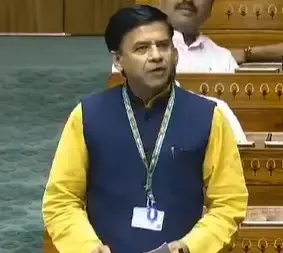
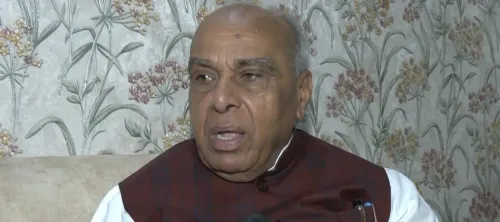
BJP MP Ashok Mittal took a more measured line: 'In a democracy, everyone has the freedom to express their views and register their protest. But there are rules for that. I would only urge the Leader of the Opposition to conduct the protest according to the rules, express his opposition and put forward his views.'
Background and What's at Stake
The SIR has become a flashpoint ahead of upcoming state elections, with Opposition parties alleging that the revision exercise could result in the deletion of valid voter names — particularly from marginalised communities. The BJP's coordinated defence on Thursday suggests the party is bracing for a sustained political battle over the issue. Notably, the Opposition's reported plan to meet President Droupadi Murmu over the matter has drawn both acknowledgement and dismissal from BJP ranks — accepted as a constitutional right, but rejected as a substantive grievance. How the Election Commission responds to Opposition pressure, and whether any judicial challenge to the SIR materialises, will shape the next phase of this controversy.
Point of View
Remove duplicates, remove absentees — is unimpeachable in principle, but the devil is always in the implementation. The Opposition's framing around marginalised communities may be politically coloured, yet India has a documented history of voter deletions disproportionately affecting certain demographic groups. Dismissing every objection as 'restlessness for power' does not resolve that concern — it simply defers it to the courts or, worse, to post-election recriminations.
NationPress
8 Oct 2026
Frequently Asked Questions
What is the Special Intensive Revision (SIR) that is causing controversy?
The Special Intensive Revision (SIR) is an Election Commission exercise to clean up electoral rolls by removing names of deceased voters, duplicate entries, and voters who can no longer be traced at their registered addresses. BJP leaders say it is a routine and legitimate process; Opposition parties allege it could result in valid voters being wrongly deleted.
Why does the Opposition want to meet President Droupadi Murmu over the SIR?
Opposition parties have sought an audience with President Droupadi Murmu to raise concerns that the SIR could disenfranchise legitimate voters, particularly from marginalised communities. BJP leaders acknowledge this as a constitutional right but dismiss the underlying grievance as politically motivated.
What did Bihar Minister Dilip Jaiswal say about the SIR?
Jaiswal described the SIR as a straightforward exercise with three clear grounds for deletion: a voter has died, a voter's name appears in more than one place, or a voter cannot be found at their registered address. He also personally criticised Rahul Gandhi, accusing him of acting out of 'desperation for power.'
What did BJP Bihar President Sanjay Saraogi say about the Opposition's protest?
Saraogi said the Opposition has the constitutional right to meet anyone, including the President, as long as they follow due procedure. However, he insisted the SIR itself is 'a right' and that names being removed include those of deceased persons, duplicate entries, and what he described as Bangladeshis and Rohingyas.
Who is Chief Election Commissioner Gyanesh Kumar and why was he mentioned?
Chief Election Commissioner Gyanesh Kumar is the head of the Election Commission of India overseeing the SIR process. Bihar Minister Ram Kripal Yadav praised Kumar on 8 October 2026 for conducting elections independently and free from outside influence, in apparent rebuttal of Opposition allegations of bias in the revision exercise.