Shekhawat hails Sirpur's entry in UNESCO Tentative List
Synopsis
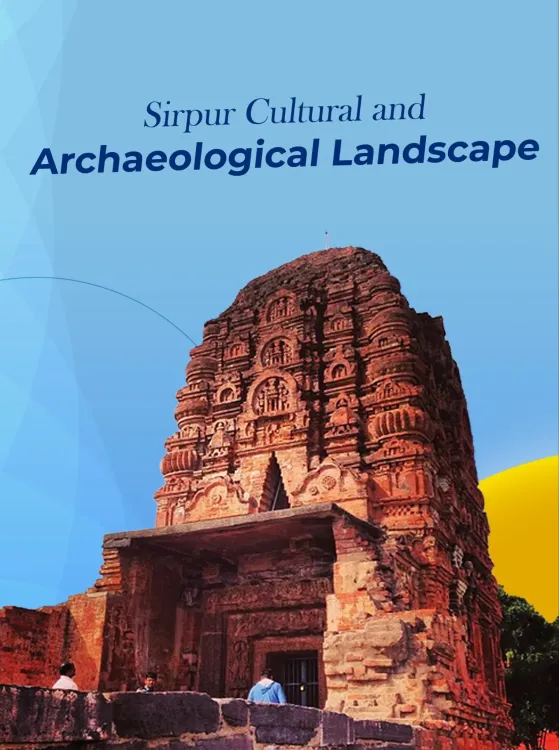
Union Culture Minister Gajendra Singh Shekhawat on 21 October 2026 hailed the Sirpur Cultural and Archaeological Landscape in Chhattisgarh — a complex of 6th-to-12th-century Buddhist and Shaivite remains — being placed on UNESCO's Tentative List, the formal first step toward a World Heritage inscription.
Key Takeaways
The Sirpur Cultural and Archaeological Landscape in Chhattisgarh has been included in UNESCO's Tentative List , a mandatory precursor to a full World Heritage nomination.
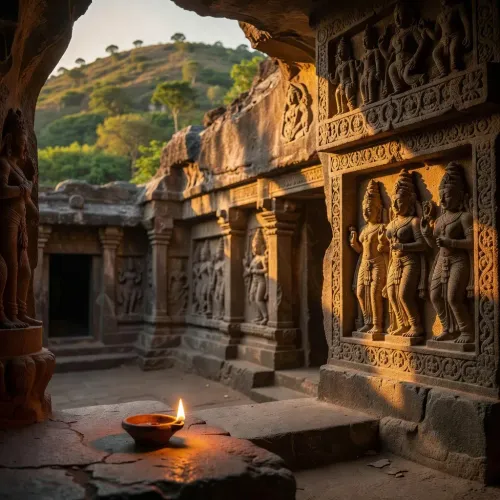
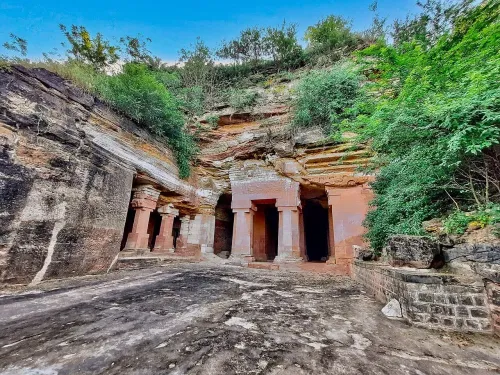
The site contains Buddhist viharas, Shaivite temples and medieval remains dating from the 6th to the 12th century CE .
Union Culture and Tourism Minister Gajendra Singh Shekhawat announced and welcomed the listing on 21 October 2026 .
Tentative List status means India must now prepare a full nomination dossier for UNESCO's technical evaluation before any inscription can occur.
The Archaeological Survey of India has a decades-long track record of submitting tentative-list entries, and this nomination continues that policy lineage.
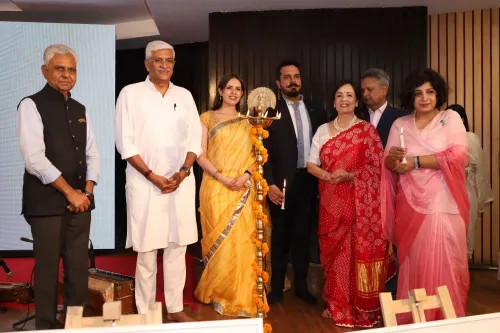
A 6th-to-12th-century archaeological landscape in the heart of India has just earned its first formal step toward global recognition. Union Culture and Tourism Minister Gajendra Singh Shekhawat on Wednesday, 21 October 2026, welcomed the inclusion of the Sirpur Cultural and Archaeological Landscape in Chhattisgarh on UNESCO's Tentative List — calling it a moment that shines a spotlight on India's 'rich traditions of art, architecture, spirituality and learning.'
What Sirpur carries — and why the listing matters
Spread across Chhattisgarh's Mahasamund district, Sirpur is among central India's most layered archaeological zones — home to Buddhist viharas, Shaivite temples and early-medieval structural remains dating from roughly the 6th to the 12th century CE. The site testifies to a period when the region was a thriving centre of religious pluralism and artistic production, drawing pilgrims and scholars from across the subcontinent.
Placement on UNESCO's Tentative List is the mandatory precursor to a full World Heritage nomination. It signals that India has formally identified Sirpur as a property of potential 'Outstanding Universal Value' — the threshold UNESCO uses before a site can be inscribed. The Archaeological Survey of India has submitted tentative-list entries for Indian sites across multiple decades, and this addition continues that long-running effort.
Shekhawat's message and the Modi government's heritage push
Minister Shekhawat, a Lok Sabha MP from Jodhpur, Rajasthan, framed the development in explicitly civilisational terms, writing: 'India's rich cultural heritage continues to inspire pride and admiration across the world under the visionary leadership of PM Shri Narendra Modi Ji.' He listed the government's stated goals as 'preserving our legacy, celebrating our civilisation and taking India's heritage to the world.'
The Modi government has made UNESCO nominations a visible part of its cultural diplomacy, advancing properties from states across the country to increase global visibility and anchor domestic tourism revenue. Chhattisgarh's tourism sector, heritage conservationists and local communities around Sirpur are among those with a direct stake in the next stage of the process.
The road from Tentative List to World Heritage inscription
Getting onto the UNESCO Tentative List is significant — but the harder work follows. Indian authorities will need to prepare and submit a full nomination dossier, after which UNESCO's advisory bodies conduct technical evaluation and, in some cases, reactive monitoring missions before the World Heritage Committee takes a final call. That journey can take years, and scrutiny of site boundaries, conservation status and management plans is rigorous.
For Sirpur, whose Buddhist and Hindu remains have already attracted scholarly attention and state-level conservation investment, the Tentative List entry transforms a local heritage asset into a live candidate on the world stage. Whether the dossier can make the full journey to inscription will depend on the quality and speed of India's follow-through.
Point of View
And this addition from Chhattisgarh fits neatly into that pattern of building a geographically diverse World Heritage portfolio. The real test, however, lies downstream: India has historically struggled to convert Tentative List entries into full inscriptions at pace, and the quality of Sirpur's conservation management plan and nomination dossier will determine whether this moment translates into a lasting global credential.
NationPress
21 Oct 2026
Frequently Asked Questions
What is the Sirpur Cultural and Archaeological Landscape?
Sirpur is an archaeological complex in Chhattisgarh's Mahasamund district containing Buddhist viharas, Shaivite temples and other medieval-era remains dating from approximately the 6th to the 12th century CE, making it one of central India's most significant multi-religious heritage sites.
What does it mean for Sirpur to be on UNESCO's Tentative List?
Placement on the UNESCO Tentative List is a mandatory first step toward World Heritage inscription. It means India has formally identified Sirpur as a site of potential 'Outstanding Universal Value,' but a full nomination dossier must still be submitted and evaluated before any inscription can take place.
Who announced Sirpur's UNESCO Tentative List inclusion?
Union Culture and Tourism Minister Gajendra Singh Shekhawat announced and welcomed the development on 21 October 2026 via a post on X, attributing the achievement to Prime Minister Narendra Modi's leadership on cultural heritage.
How many UNESCO World Heritage Sites does India have?
India has consistently ranked among the top countries by number of UNESCO World Heritage Sites; Sirpur's Tentative List entry positions it as a future candidate, though the exact current count of inscribed Indian sites after 2023 cannot be confirmed from available data.
What happens after a site is placed on the UNESCO Tentative List?
After Tentative List placement, the nominating country prepares a detailed dossier that UNESCO's advisory bodies — ICOMOS for cultural sites — evaluate through documentation review and, often, site visits or reactive monitoring missions before the World Heritage Committee makes a final decision.